Lump Charcoal vs Briquettes for Smoking: Which Is Better? (November 2026)
Choose lump charcoal for faster heat and a stronger wood character, or briquettes for steadier heat during long smoking sessions. Your smoker, airflow control and refueling plan matter as much as the fuel type.
On this page (11 sections)
- Lump charcoal vs briquettes for smoking: which burns more steadily?
- Which fuel needs less refueling?
- Does lump charcoal or briquettes create better smoke flavor?
- How do you control temperature with each fuel?
- Which charcoal is easier to light?
- How should you choose charcoal for a long smoking session?
- What bag size makes sense for smoking?
- Can you use either fuel in any charcoal smoker?
- How does lump charcoal compare with pellets?
- More guides on this topic
- Final choice: lump charcoal or briquettes for smoking?
Choose lump charcoal for fast heat and natural hardwood character, or briquettes for steadier fuel behavior during long smoking sessions. In a lump charcoal vs briquettes for smoking comparison, the better choice depends on how often you want to adjust the fire and refuel.
Lump charcoal is made from pieces of carbonized wood, so its pieces can vary in size and shape and the fuel bed can behave differently from one load to the next. Briquettes are compressed into more regular shapes, which can make the fuel bed easier to arrange and the burn easier to follow over many hours.
Your smoker's airflow controls still matter a great deal with either fuel. A well-sealed smoker with adjustable vents can manage lump charcoal or briquettes more calmly, while a drafty setup may need more frequent attention regardless of charcoal type.
That is why this guide focuses on practical use rather than a single winner for every cook. Fast heat and hardwood character may suit one smoker and schedule, while steadier fuel behavior may suit a longer session with fewer changes.
Think about your refueling tolerance and storage space before you buy a bag. A fuel type that fits your smoker and routine will usually give a better result than a fuel chosen only by name.


Lump charcoal vs briquettes for smoking: which burns more steadily?
Briquettes usually offer the simpler fuel bed for steady smoking, while large lump pieces can support a long burn when arranged well. The result depends on airflow, fuel placement and the temperature you are trying to hold.
Uniform briquettes leave fewer large gaps between pieces. That can make the fire easier to read as the fuel burns down, especially when you want a low cooking temperature for several hours.
Lump charcoal has more variation. A bag may contain large pieces, smaller pieces and charcoal dust.
Large pieces can last well in a smoker, but smaller pieces may burn through sooner or restrict airflow if they settle tightly.
That does not make lump charcoal unreliable. It means you need to sort the fuel before lighting and use the piece sizes deliberately.
How lump size changes a smoking session
Large lumps are useful near the bottom of a fuel bed because they can create space for air to move. Smaller pieces can fill gaps above them, but too much dust can slow airflow.
FOGO Super Premium Hardwood Lump Charcoal is made with large pieces, with about 80% of the pack described as 4 in or longer. Its 35 lb bag suits a smoker owner who wants a larger supply for repeated cooks.
If you prefer medium pieces in separate bags, FOGO Premium Hardwood Lump Charcoal comes as 2 bags of 17.6 lb. That format can make storage and portioning easier between cooks.
Read what is lump charcoal made of before choosing a lump product based on wood type or processing. The material and piece size can affect how you build the fire, but neither one replaces good vent control.
Which fuel needs less refueling?
Briquettes can make refueling easier to plan because the pieces are more consistent, while lump charcoal may need more sorting and adjustment. A long smoking session still requires you to watch the fire rather than follow a fixed time.
Kingsford Original Charcoal Briquettes come as 2 bags of 12 lb. The compressed briquette form and grooves for air channels help you create a regular fuel bed.
Briquettes can be placed in rows or a controlled pile, depending on your smoker and cooking method. Keep the fuel away from unnecessary airflow until you are ready to bring the smoker to temperature.
Lump charcoal can work well with the same approach, but irregular pieces may leave larger spaces. Check the fire before adding more fuel so you do not raise the temperature more than intended.
Do not add a large amount of fresh charcoal simply because the cook has reached a certain hour. Add fuel based on the remaining fire, the smoker temperature and the fuel bed's condition.
Does lump charcoal or briquettes create better smoke flavor?
Lump charcoal often gives a more direct hardwood character, while briquettes provide a neutral base that lets added smoking wood stand out. Flavor depends on the charcoal, the food and the smoke wood you use.
Natural lump charcoal can have a wood-fired flavor because it is made from hardwood. FOGO's products are described as natural hardwood charcoal with no added ingredients.
Briquettes can also carry wood character. B&B Competition Oak & Hickory Charcoal Briquettes use an oak and hickory blend, giving them a more defined flavor direction than a neutral briquette.
Choose a neutral charcoal if you want smoking chunks or chips to define the flavor. Choose oak and hickory briquettes if you want the fuel itself to contribute more wood character.
Keep smoke clean by managing airflow and avoiding a smoldering fire. Thick, harsh smoke usually points to poor combustion or restricted airflow rather than a simple lump-versus-briquette problem.
How do you control temperature with each fuel?
Control temperature with the smoker's vents first, then adjust the fuel bed in small steps. Opening vents can raise the fire quickly, while closing them too far can create weak combustion and heavy smoke.
Lump charcoal can respond quickly because pieces vary in size and may ignite at different rates. Start with a controlled amount, let the smoker settle, then make small vent changes.
Briquettes may feel more predictable because their compressed shapes create a consistent arrangement. They still need time to ignite and settle, so avoid chasing every small temperature movement.
Keep the lid closed as much as possible. Frequent checks release heat and can make it harder to tell whether the fuel or the airflow caused the change.
A charcoal briquettes buying guide can help you compare briquette types, bag sizes and starter choices before planning your next cook.
Which charcoal is easier to light?
Both fuels can light well with a chimney or suitable fire starter, but lump charcoal is often chosen for quick startup and briquettes benefit from an even spread of heat. Follow the smoker and fire-starter instructions for safe lighting.
FOGO describes both of its hardwood lump products as quick to heat, with readiness in about 15 minutes. Kingsford also describes its original briquettes as ready in about 15 minutes.
The exact time still depends on weather, starter method, fuel arrangement and airflow. Do not put food on the smoker until the charcoal is burning steadily and the smoke is suitable for cooking.
The B&B bundle includes Duraflame Firestart Cubes and 50 long strike matches. Those supplies can simplify the lighting step, but they do not replace safe handling around hot charcoal.
Avoid lighter fluid if your smoker instructions or cooking method do not allow it. Keep starters, matches and charcoal dry, and never light charcoal in an enclosed area.
How should you choose charcoal for a long smoking session?
Choose the fuel that matches your refueling tolerance, storage space and preferred flavor. A smoker that needs constant attention may be a poor match for irregular lump charcoal, while a large charcoal bundle may be excessive for occasional cooks.
Pick lump charcoal when:
- You want natural hardwood character.
- You prefer fast heat.
- You are comfortable sorting pieces by size.
- You can check the fire and vents during the cook.
- You want large lumps for a deeper fuel bed.
Pick briquettes when:
- You want a regular fuel shape.
- You prefer easier fuel-bed planning.
- You want to estimate additions more consistently.
- You want a neutral base for smoking wood.
- You have room to store larger bags or bundles.
For a broad lump comparison, see Best Lump Charcoal. If your main goal is long smoking rather than general grilling, Best Lump Charcoal for Smoking narrows the choice around smoke sessions.
What bag size makes sense for smoking?
Choose bag size by how often you smoke and where you store charcoal. A larger bag can reduce restocking, but it needs a dry, protected storage area.
The FOGO Super Premium bag weighs 35 lb. The FOGO Premium option provides 35.2 lb total across 2 bags, while the Kingsford option provides 24 lb across 2 bags.
The B&B bundle provides 52.8 lb across 3 bags, plus fire-starting supplies. That makes it the largest charcoal supply in this comparison, but it also needs the most storage space.
Keep charcoal sealed from rain and ground moisture. Damp fuel can be harder to light and may not behave as expected during a long cook.
For smaller cooking routines, compare the best small bag of charcoal briquettes. If you want wood blended into the fuel, see the best charcoal briquettes with wood.
Can you use either fuel in any charcoal smoker?
Use either lump charcoal or briquettes only when the smoker allows that fuel and the fire can be controlled safely. The smoker's shape does not tell you how much charcoal to use or how long it will burn.
A kettle, kamado, drum smoker and offset smoker can use different fuel layouts. Follow the manual for loading, airflow and safe operating temperatures.
Kamado owners often favor lump charcoal because the irregular pieces suit a deep ceramic firebox and can respond well to vent control. Compare the best lump charcoal for kamado grills if that is your setup.
A Weber kettle may need a different arrangement from a kamado. See the best lump charcoal for Weber Kettle grills for a kettle-focused comparison.
Big Green Egg owners should also check the best lump charcoal for Big Green Egg before choosing a bag. For drum smokers, a basket can change how the fuel is held and how air reaches it, so compare the best charcoal baskets for drum smokers.
How does lump charcoal compare with pellets?
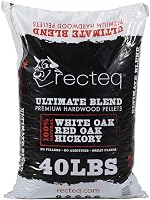
Lump charcoal suits smokers that use a live charcoal fire, while pellets suit pellet smokers with a dedicated hopper and auger system. They are different fuel systems, so choose based on your smoker rather than flavor alone.
Lump charcoal and briquettes both burn in a charcoal firebox or charcoal basket. Pellets require a compatible pellet smoker or grill designed to feed them automatically into the fire.
That design change affects set-up and daily care in simple ways. A charcoal smoker needs a fuel bed, a reliable way to light it and vents you can adjust by hand during the cook.
A pellet smoker needs pellets kept dry, a hopper filled to the right level and a controller that can feed fuel as the cook continues.
Heat control also works differently in each system. With charcoal, you manage airflow and the amount and placement of fuel, so small vent changes can have a clear effect.
With pellets, the machine helps maintain the feed, but you still need to check hopper levels, clear ash as directed and follow safe start-up steps.
Flavor follows the system as well as the fuel. Charcoal gives direct contact with a live fire and the wood character of the charcoal itself.
Our lump charcoal vs pellets comparison explains the differences in setup, fire control and smoker compatibility. Do not pour pellets into a charcoal smoker unless the manufacturer specifically approves that use.
The reverse is also true for many owners. Do not assume charcoal can be used in a pellet smoker in place of pellets, because the feed system and firebox are built for a specific fuel form.
For a charcoal smoker, choose between lump and briquettes by burn behavior, piece size and flavor. For a pellet smoker, choose by pellet type, storage needs and the manufacturer's fuel guidance.
Either route can work well when the fuel and smoker match.
More guides on this topic
- Best Kingsford Charcoal Briquettes for a closer look at Kingsford briquette options and how their regular shape fits a steady smoking fuel bed.
- Best Natural Charcoal Briquettes for natural briquette choices when you want a simpler fuel base and a clear wood-fired character.
Final choice: lump charcoal or briquettes for smoking?
Choose lump charcoal if fast heat, hardwood character and large pieces matter most. Choose briquettes if burn stability, regular fuel shape and easier refueling matter more.
For large lump pieces, FOGO Super Premium is the clearest fit. For medium lump charcoal in 2 bags, FOGO Premium is easier to portion.
Kingsford is the straightforward briquette choice for a regular fuel bed, while B&B suits smokers who want oak and hickory flavor plus a large supply.
If you are still deciding between the 2 fuel types, read Which Is Better Lump Charcoal or Briquettes Which Is Better? and match the final choice to your smoker's fuel instructions.
Frequently asked questions
Is lump charcoal or briquettes better for smoking?
Lump charcoal suits smokers that favor fast heating and natural hardwood character, while briquettes suit long cooks that benefit from uniform fuel pieces and steady heat. Choose lump when you can manage changing piece sizes.
Choose briquettes when burn stability and fewer adjustments are your main goals.
Does lump charcoal burn longer than briquettes?
Neither fuel always burns longer in every smoker. Lump charcoal can include large pieces that work well for long cooks, but its irregular size can create uneven gaps.
Briquettes have a more consistent shape, so a properly arranged fuel bed may be easier to manage during a long smoking session.
Do briquettes add more smoke flavor than lump charcoal?
Briquettes don't automatically add more smoke flavor than lump charcoal. The charcoal type, wood blend, airflow and food all affect the result.
Natural hardwood lump can add a wood-fired character, while oak and hickory briquettes create a more defined flavor in the B&B bundle.
How often do you need to add charcoal when smoking?
Refueling depends on smoker size, airflow, weather, cooking temperature and how much charcoal you start with. Large lump pieces and a deep fuel bed may reduce attention, while uniform briquettes can make additions easier to estimate.
Keep extra fuel dry and add it only as the fire needs more energy.