
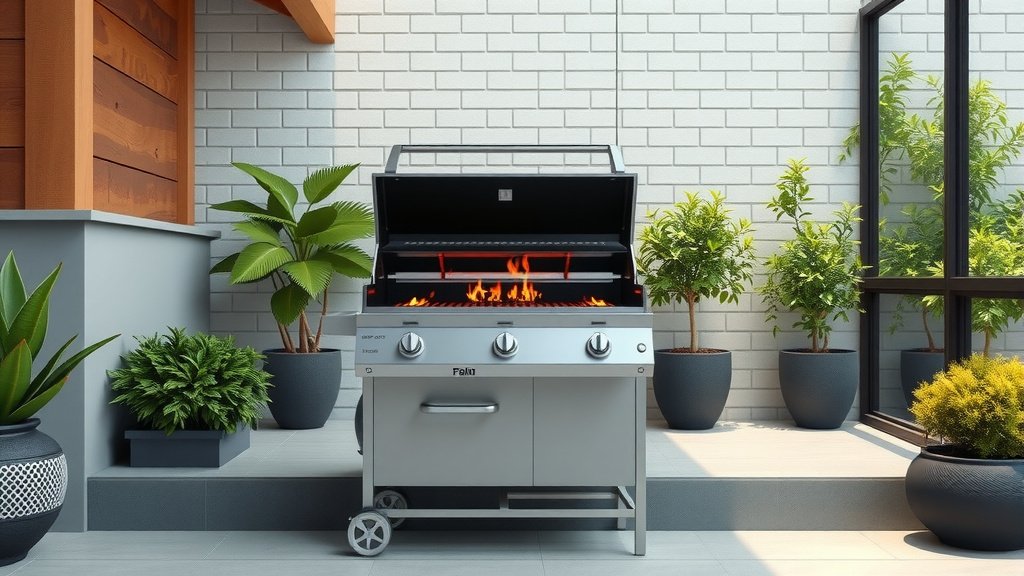
To start a gas grill, first ensure your propane tank is connected and its valve is fully open. Then, turn one burner knob to a high setting and immediately press the igniter button.
Starting a gas grill involves checking gas supply, opening valves, and activating the igniter safely and efficiently for perfect grilling results.
- Always perform a quick safety check before you begin.
- Make sure your propane tank is connected and its valve is fully open.
- Turn one burner knob to a high setting before pressing the igniter.
- If the igniter fails, know how to light your grill manually.
- Preheat your grill properly for 10-15 minutes for best cooking.
How To Start A Grill Gas?
Starting your gas grill is a straightforward process once you understand the core steps. It primarily involves connecting the gas, opening the valve, and igniting the burners safely to get you grilling quickly.
Safety First: Your Grill Companion
Before you even think about lighting a flame, safety must be your top priority. Always check your grill for any loose hoses or obstructions. A quick visual inspection can prevent many problems.
Make sure your grill is on a stable, non-combustible surface, away from any flammable materials. This includes walls, fences, and overhanging branches. Many experts suggest a minimum of ten feet clearance from any structure (NFPA guidelines).
Is Your Gas Tank Ready?
Your propane tank is the heart of your gas grill. First, ensure it’s securely connected to your grill’s regulator. Hand-tighten the coupling; don’t use tools that might overtighten it and cause damage.
Next, it’s time to open the gas valve. Turn the tank’s main valve slowly, counter-clockwise, until it’s fully open. This ensures a full and steady gas flow to your burners.
Opening the Gas Valve Correctly
After opening the tank valve, move to the grill itself. Most gas grills have individual burner control knobs. Keep all these burner knobs in the “off” position for now.
Some grills also have a main gas valve near the tank connection point on the grill itself. Make sure this is also open if your grill has one. We found that a slow opening prevents a safety device, called an OPD valve, from tripping, which can restrict gas flow.
Igniting Your Grill Burners
Now for the exciting part: lighting the flame! This is where your grill truly comes alive. You typically have two main ways to ignite your grill burners.
Using the Built-In Igniter
This is the most common and convenient method. Pick one burner, usually the one closest to the igniter button. Turn its knob to the “high” or “light” setting.
Immediately press and hold the igniter button. You should hear a clicking sound and see a flame light up. If it doesn’t light in a few seconds, turn the burner off, wait a minute for any gas to clear, and try again.
Manual Ignition: A Backup Plan
What if your igniter isn’t working? Don’t worry, you can still grill! Many experts recommend having a long lighter or match wand specifically for this purpose. Never use a short match or lighter.
Open your grill lid. Turn one burner knob to “high.” Quickly and carefully insert your long lighter or match through the cooking grates to the burner port. The burner should ignite almost instantly. Once lit, close the lid and let the heat build.
Preheating for Perfect Cooking
Once your chosen burner is lit, turn on the remaining burners to your desired temperature settings. Close the grill lid and allow your grill to preheat. This typically takes 10 to 15 minutes, depending on your grill’s power and the outside temperature.
Preheating ensures the cooking grates get hot enough to sear food properly and burn off any leftover residue from previous cooks. You’ll notice better results with a fully preheated grill.
Mastering Flame Control
With your grill preheated, you’re ready to cook! Adjust the burner knobs to achieve the precise temperature you need for your recipe. Different foods require different heat levels.
High heat is great for searing meats, while medium to low heat works for more delicate items or indirect cooking. Learning your grill’s hot and cool spots will make you a better griller.
Troubleshooting: When Things Don’t Light Up
Sometimes, your grill might not light on the first try. Don’t panic! It’s usually a simple fix. We found that a few common issues often prevent ignition.
Gas Flow Hurdles
If you’re getting no gas or low flame, first check your propane tank valve. Is it fully open? Sometimes, opening it too quickly can trigger the OPD safety device. Try turning the tank valve completely off, waiting 30 seconds, then slowly opening it fully again.
Also, ensure there are no kinks in the gas hose. A damaged hose can restrict flow or, worse, cause a leak. Always inspect hoses regularly for cracks or wear.
Igniter Glitches
Is your igniter clicking but not sparking? The igniter battery might be dead or the igniter electrode could be dirty or wet. Many grills use an AA or AAA battery; check and replace it if needed.
Clean the igniter tip with a wire brush to remove grease. Sometimes, the gap between the igniter and the burner needs adjusting, but this is less common for new issues.
Pilot Light Considerations
Most modern gas grills don’t use a constant pilot light. However, if you have an older model or a specific setup that does, a pilot light failure can prevent burner ignition. Check your grill’s manual for specific instructions on troubleshooting and relighting a pilot light, if applicable to your model.
When to Hold Off on Lighting Your Grill
Never light your grill if you smell a strong gas odor. This indicates a leak, and attempting to ignite it could be dangerous. Turn off the gas tank immediately and contact a professional.
Also, avoid grilling in extremely windy conditions without proper windbreaks. Strong winds can blow out flames or cause uneven heating. Always ensure the area around your grill is clear and safe.
Keeping Your Grill Ready for Action
Regular maintenance is key to easy grill starts. Clean your grill grates after every use. Inspect burner tubes for rust or insect nests, which can block gas flow. Many grill manufacturers recommend a deep clean at least once a year.
Keeping your grill clean and well-maintained not only ensures easy starts but also extends the life of your appliance. A well-cared-for grill is a happy grill, ready to cook whenever you are!
Quick Gas Grill Starting Checklist
- Check Tank Connection: Is it tight and secure?
- Open Tank Valve: Slowly, all the way open.
- All Burner Knobs Off: Before proceeding.
- Open Grill Lid: Always light with the lid open.
- Turn One Burner to High: The one closest to the igniter.
- Press Igniter: Or use a long lighter/match.
Propane Versus Natural Gas: A Quick Glance
While the starting procedure is very similar, understanding the gas source is important. Here’s a quick comparison:
| Feature | Propane Gas Grill | Natural Gas Grill |
|---|---|---|
| Fuel Source | Portable tanks (20lb cylinders) | Direct line from home’s utility |
| Portability | Highly portable, can move anywhere | Fixed location, requires professional install |
| Fuel Supply | Requires refilling/exchanging tanks | Continuous, never runs out during grilling |
| Heat Output | Often higher BTU per volume | Consistent pressure, efficient for larger grills |
| Cost | Tank refills add up over time | Lower cost per unit of fuel, higher initial setup |
Conclusion
Starting a gas grill is a simple, rewarding task that opens the door to fantastic outdoor cooking. By following these straightforward steps, prioritizing safety, and understanding your grill’s components, you’ll be igniting perfect flames every time.
Remember, a little preparation goes a long way in ensuring a safe and successful grilling experience. Enjoy the delicious results of your perfectly lit grill!
How long does it take for a gas grill to heat up?
A gas grill typically takes about 10 to 15 minutes to reach its ideal cooking temperature. This can vary based on the grill’s size, burner power, and the ambient air temperature, but 10 minutes is a good minimum target for proper preheating.
What if my gas grill smells like gas but won’t light?
If you smell gas but your grill won’t light, immediately turn off the gas at the propane tank valve. Leave the grill lid open to ventilate any accumulated gas. Do not attempt to light it again. This indicates a potential leak, which can be dangerous. It’s best to check all connections, hoses, and the tank for damage before attempting to light it again, or consult a professional.
Can I use lighter fluid on a gas grill?
Absolutely not. Lighter fluid is designed for charcoal grills and should never be used on a gas grill. Gas grills operate with a self-contained fuel source (propane or natural gas), and introducing lighter fluid could cause a dangerous flare-up or explosion.
How do I know if my propane tank is empty?
There are a few ways to check: you can gently pour hot water down the side of the tank and feel for a cool spot, which indicates the gas level. Many tanks also have built-in gauges, or you can weigh the tank (a standard 20lb tank typically weighs about 17lbs empty). The flame size and strength will also diminish significantly as the tank runs low.
Is it okay to leave the propane tank valve open after grilling?
No, it’s generally not recommended. While some sources say it’s fine, many grill manufacturers and safety experts advise turning off the propane tank valve after each use. This helps prevent gas leaks and protects the hose and regulator from constant pressure, which can extend their lifespan.
