How To Start A Gas Grill?
On this page (4 sections)
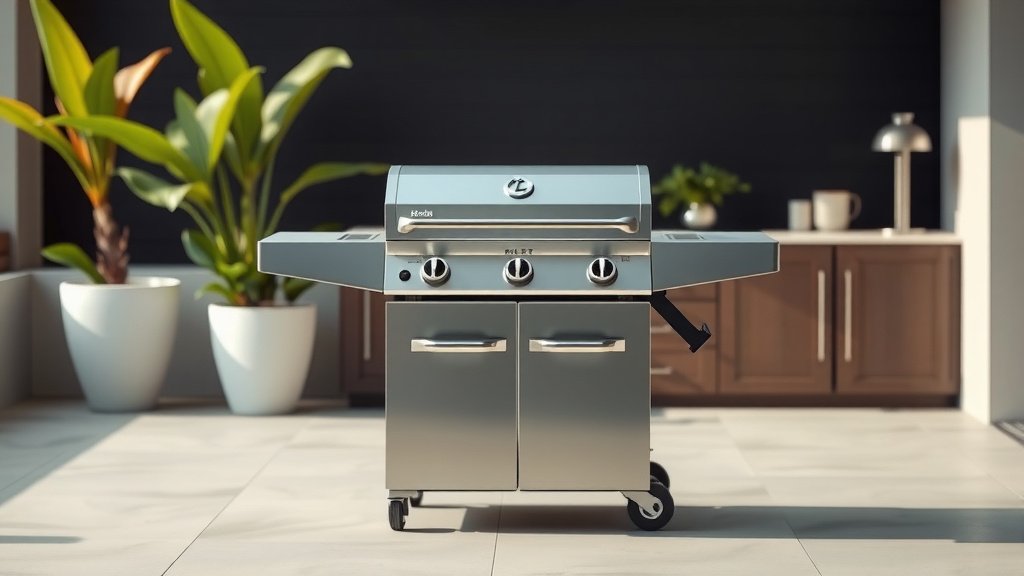
To start a gas grill, you first ensure your propane tank is connected, then open the tank valve slowly, turn one burner to high, and press the igniter button until you hear a whoosh and see a flame. If it doesn’t light immediately, give it a few tries.
Once the first burner is lit, you can turn on other burners as needed for your desired heat on a Weber gas grill. Remember to keep the lid open during ignition to prevent gas buildup.
- TL;DR: Starting a gas grill is simple: connect the tank, open the valve, turn on a burner, and ignite.
- Always check for gas leaks and ensure proper ventilation for safety.
- Preheat your grill with the lid closed for 10-15 minutes before cooking.
- After cooking, turn off the burners, then close the propane tank valve.
- Regular cleaning keeps your grill working well and extends its life.
How To Start A Gas Grill?
Starting a gas grill begins with a few basic safety checks and then a straightforward ignition sequence, including for a Char-Broil gas grill. You want to make sure everything is secure and ready before you even think about fire.
Safety First: Before You Light Up
Before any delicious grilling can happen, safety is your top priority. Think of it like checking your seatbelt before a drive; it’s a small step that makes a big difference. We found that most grilling incidents are preventable with a few simple checks (National Fire Protection Association).
Propane Tank Check
Is your propane tank full enough for your cooking session? Give it a little shake; a full tank feels heavy. Also, check the hose connection from the tank to your grill. It should be snug, but not overtightened.
Many experts say to perform a leak test regularly. You can do this by applying a soapy water solution to the hose and connections. If you see bubbles when the tank valve is open, you have a leak. Fix any leaks immediately.
Cleanliness Matters
Take a quick look at your grill grates. Are they clean from your last cooking adventure? Leftover food debris can cause flare-ups and uneven heating. A quick brush before lighting is always a good idea.
Also, check the bottom of your grill for excess grease. A buildup there is a fire hazard. Many grill manufacturers recommend cleaning the drip tray frequently.
Ventilation is Key
Never light your gas grill in an enclosed space. This might sound obvious, but it’s an important reminder. Gas grills are designed for outdoor use only. You need plenty of air circulation around your grill.
Imagine trying to light a candle in a sealed box; it won’t work well, right? Your grill needs that open air, too, to operate safely and effectively.
Gather Your Essentials
Just like a chef preps their ingredients, you’ll want your grilling tools ready. Having everything at hand makes the lighting process smooth and reduces any fumbling around.
Lighter or Matches (Just In Case)
Your grill likely has a built-in igniter, but batteries can die, or igniters can fail. It’s smart to have a long-stem lighter or long wooden matches nearby. Think of it as your grilling backup plan.
Grill Tools
Grab your tongs, spatula, and grill brush. You’ll use the brush after preheating. Having these ready means you won’t have to scramble once the grill is hot and ready for action.
The Step-by-Step Ignition Process
Now for the main event! Lighting your gas grill is a process that’s easy once you’ve done it a few times. Don’t worry, we’ll walk through it together.
Connecting the Propane
First, make sure the propane tank is properly connected to the grill’s regulator. The connection typically screws on clockwise. It should feel hand-tight and secure.
If you’ve just swapped tanks, double-check that this connection is solid. A loose connection can mean no gas flow or, worse, a leak.
Opening the Tank Valve
Slowly turn the propane tank valve counter-clockwise to open it fully. You’ll hear a slight hiss as gas enters the line; this is normal. Don’t open it too quickly, as some regulators have a safety feature that can restrict flow if opened too fast.
This is where the gas journey begins from the tank to your burners. Give it a moment to pressurize the line.
Lighting the Burners
This is the moment of truth! Remember to keep the grill lid open during this entire step. Gas can build up if you try to light it with the lid closed, which can be dangerous.
- Open One Burner: Start with one burner, usually the one closest to the igniter. Turn its control knob to the “High” position.
- Press the Igniter: Push and hold the igniter button. You should hear a clicking sound. Keep holding it for a few seconds.
- Listen and Look: Listen for a “whoosh” sound and look for a flame. If it doesn’t light, release the igniter, wait about five seconds for any gas to dissipate, and try again.
- Manual Ignition: If the igniter fails after a few tries, carefully use your long-stem lighter or match to light the burner. Place the flame near the burner port, then turn the gas knob to “High.”
- Light Others: Once one burner is lit, you can turn on additional burners as needed. They should light from the adjacent flame.
Troubleshooting Common Lighting Issues
Sometimes, your grill might be a little stubborn. Don’t get discouraged! Here’s a quick look at common problems and solutions.
| Issue | Possible Cause | Quick Fix |
|---|---|---|
| No flame when igniting | Empty propane tank or igniter issue | Check tank level; use manual lighter; check igniter battery. |
| Low or weak flame | “Bypass mode” on regulator or low gas | Turn off tank, disconnect, wait 30s, reconnect, open tank slowly; check gas level. |
| Gas smell but no ignition | Burner ports clogged or regulator issue | Clean burner ports; check regulator hose for kinks. |
Preheating Your Grill Like a Pro
Once your burners are lit, it’s time to get that grill nice and hot. This is a step many people rush, but it’s actually quite important for successful grilling.
Why Preheat?
Preheating allows your grill grates to reach the optimal temperature for cooking. Think of searing a steak: you want that beautiful crust, right? That only happens on a very hot surface. Preheating also burns off any lingering food bits from previous cooks.
Ideal Temperatures
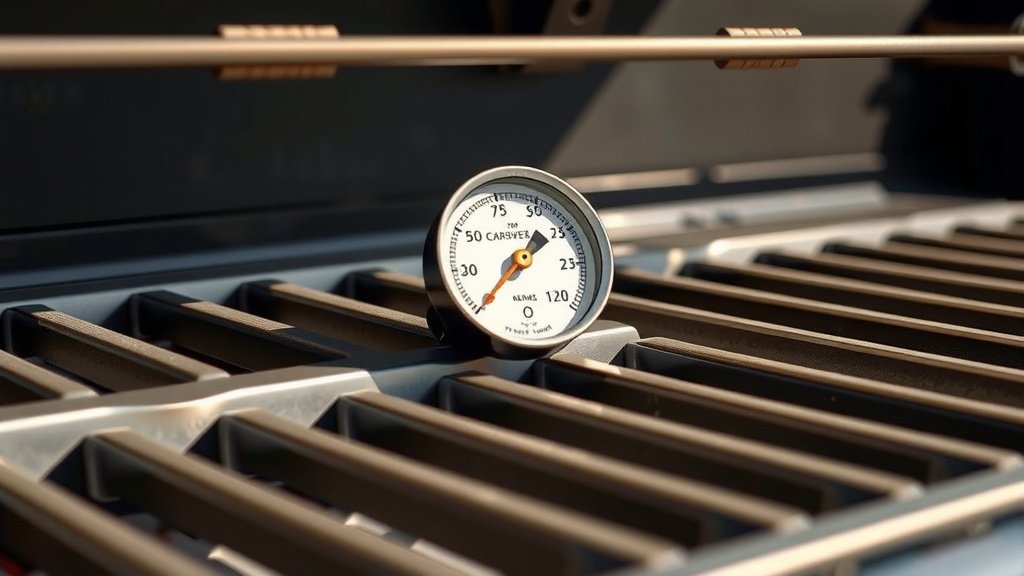
Close the lid and let your grill preheat for about 10 to 15 minutes. For most grilling, you’re aiming for medium-high heat, around 350-450°F (175-230°C). Use your grill’s built-in thermometer as a guide. Research shows that proper preheating prevents food from sticking (Grill Master University).
Controlling Your Grill’s Heat
A gas grill gives you fantastic control over temperature, much like your stovetop. This is where you can really shine as a grill master.
Zone Grilling
You can create different heat zones on your grill. For example, leave one burner on high for direct searing, and turn another down to low or off for indirect cooking. This is great for thicker cuts of meat or delicate vegetables that need slower cooking.
Adjusting Burners
Once preheated, adjust your burner knobs to achieve your desired temperature. If you’re cooking something thin and quick, you might keep all burners on medium-high. For larger items, you’ll want to reduce some heat for a more even cook.
When to Turn Off Your Grill
Turning off your grill correctly is just as important as turning it on. It ensures safety and extends the life of your equipment.
Post-Cookdown
After you’ve finished cooking, turn all your grill burners to the “Off” position. Give the grill a few minutes to cool down slightly. This is a good time to do a quick scrape of the grates with your grill brush.
Closing the Tank
The very last step is to close the propane tank valve. Turn it clockwise until it’s completely shut. This prevents any gas from slowly leaking out and makes sure the tank is safely sealed. Many experts agree that closing the tank valve first helps bleed the remaining gas from the lines, adding an extra layer of safety.
Maintenance Tips for a Long-Lasting Grill
Taking good care of your grill isn’t just about cleanliness; it’s about making sure your investment lasts for many seasons of delicious food. A little effort goes a long way.
Regular Cleaning
After each use, clean your grates. A good wire brush works wonders when the grill is still warm. Periodically, you’ll want to do a deeper clean: brush the burner covers, empty the drip tray, and wipe down the interior. We found that a clean grill heats more efficiently and prevents future flare-ups.
Storing Your Grill
If you live in a climate with harsh winters, consider storing your grill in a shed or garage. Even if you leave it outside, a good grill cover is a must. It protects against rain, snow, and rust, keeping your grill looking good and working well.
Conclusion
Starting a gas grill is a straightforward process when you know the steps and prioritize safety. From the initial tank check to the final cool-down, each part plays a role in a successful and enjoyable grilling experience. You’ve now got the know-how to confidently light your grill and get those delicious meals cooking. Remember, a little preparation and care will make every grilling session a breeze!
Frequently Asked Questions
What do I do if my gas grill doesn’t light with the igniter?
If your igniter fails, first ensure the propane tank is open and has gas. Then, wait about five seconds for any gas to clear, and try again. If it still doesn’t light, use a long-stemmed lighter or match to manually light the burner, carefully placing the flame near the burner port while turning the gas knob.
How long should I preheat my gas grill before cooking?
You should preheat your gas grill with the lid closed for 10 to 15 minutes. This allows the grates to reach a consistent, high temperature, which is key for searing food properly and preventing sticking. Your grill’s built-in thermometer can help you gauge the internal temperature.
Is it safe to leave the propane tank valve open when the grill is off?
It’s best practice to always close the propane tank valve after each use, even if the grill burners are off. This prevents any potential gas leaks from the hose or regulator over time and ensures safety. It’s a small habit that offers a lot of peace of mind.
Why is my gas grill flame very low, even on high?
A very low flame, even when set to high, often indicates that your propane regulator has entered “bypass mode.” This safety feature restricts gas flow if it senses a sudden surge, often from opening the tank valve too quickly. To reset it, turn off all burners and the tank valve, disconnect the regulator from the tank, wait 30 seconds, reconnect, and then slowly open the tank valve.
How do I know if my propane tank is almost empty?
The simplest way to check your propane level is by using the hot water method. Fill a pitcher with hot tap water and pour it down the side of the tank. Then, carefully feel the side of the tank with your hand. The portion of the tank that feels cool or cold is where the liquid propane is, indicating how much gas remains. The rest will feel warm.