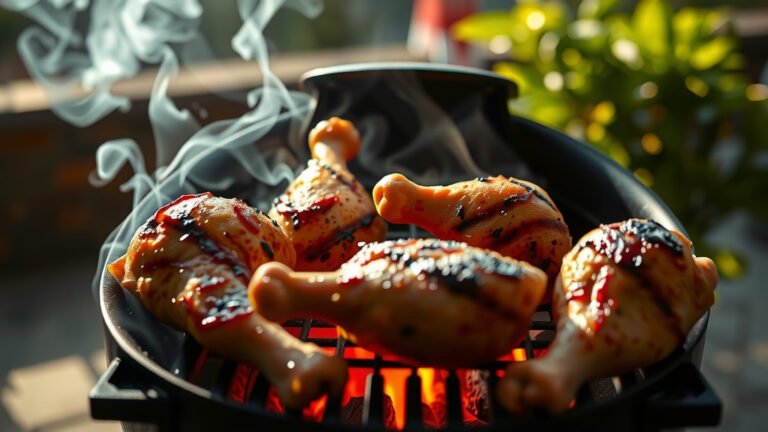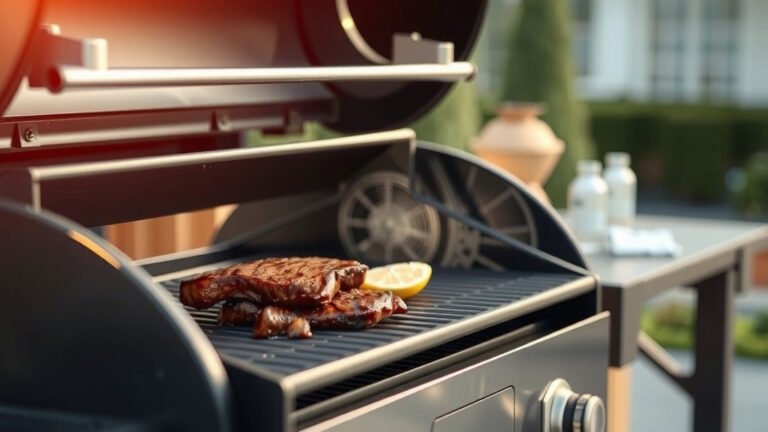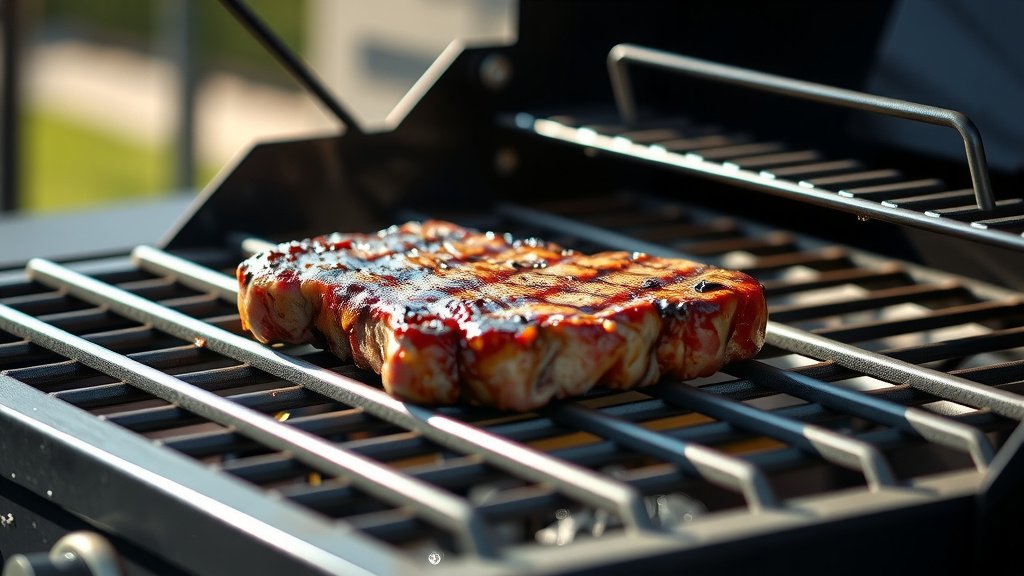
To grill a rib eye on a gas grill, first preheat your grill to high heat, around 450-500°F. Sear the steak for 2-3 minutes per side, then move it to a cooler zone or lower heat for indirect cooking until it reaches your desired internal temperature.
For a perfect medium-rare rib eye, aim for an internal temperature of 130-135°F before resting. Season your steak well with salt and pepper, and always let it rest for 5-10 minutes after grilling to lock in the juices.
- Get a great rib eye by picking one with good marbling.
- Season generously with salt, pepper, and your favorite rubs before grilling.
- Preheat your gas grill to a high temperature for a strong sear.
- Use two heat zones: one for searing, one for finishing to perfect doneness.
- Always check internal temperature with a meat thermometer for accuracy.
- Rest your steak after grilling to ensure maximum juiciness and flavor.
How To Grill Rib Eye On Gas Grill?
Grilling a rib eye on a gas grill is surprisingly simple when you know the steps. It’s all about creating those perfect sear marks and cooking to the right internal temperature for a juicy steak.
We’ll guide you through each stage, from picking your steak to enjoying that first flavorful bite. You’ll be a grill master in no time.
Choosing Your Rib Eye Steak
Before you even light the grill, the secret to a great steak starts with your choice. Look for a rib eye that’s about 1 to 1.5 inches thick.
More importantly, you want to see good marbling—those tiny flecks of fat distributed throughout the meat. This marbling melts as it cooks, giving your rib eye its famous tenderness and flavor.
Thickness Matters
A thicker steak offers a better buffer against overcooking. A 1.5-inch thick rib eye allows you to get a great sear without charring the outside before the inside cooks.
Thinner cuts cook very fast, making it harder to control doneness. Many experts agree that thicker cuts are more forgiving (USDA).
Prepping Your Rib Eye for the Grill
Preparation is key. Don’t pull your steak straight from the fridge and put it on the grill. Let it sit out at room temperature for about 30-60 minutes.
This helps the steak cook more evenly from edge to center. A cold steak will take longer to heat through, potentially overcooking the exterior.
Seasoning Your Steak
Salt and pepper are non-negotiable for a rib eye. Use a generous amount of coarse sea salt and freshly ground black pepper.
Some people also like a little garlic powder or onion powder. Don’t be shy; the seasoning forms a delicious crust.
Setting Up Your Gas Grill
This is where your gas grill shines. You can easily create different heat zones. This technique is known as two-zone grilling and is essential for perfect rib eyes.
Preheat your grill to high heat, around 450-500°F, with one burner on high and an adjacent burner on medium or low, or even off. This creates a hot zone for searing and a cooler zone for finishing.
Preheating is Not Optional
Give your grill at least 10-15 minutes to reach the target temperature. A hot grill ensures a quick, beautiful sear. You’ll hear that satisfying sizzle when the meat hits the grates.
Clean grates are also important to prevent sticking and transfer old food flavors. Many expert grillers emphasize a clean, hot surface (Weber Grilling Guide).
The Grilling Process: Searing and Finishing
Now for the main event! Place your seasoned rib eye directly over the high heat zone. You’re aiming for a deep, brown crust.
Sear for 2-3 minutes per side, turning only once. Don’t keep flipping it. That crust is all about contact with the hot grates.
Moving to Indirect Heat
Once you have a good sear on both sides, move your rib eye to the cooler, indirect heat zone. Close the lid and let it continue to cook.
This allows the inside to reach the desired doneness without burning the outside. It’s like a mini oven inside your grill.
Checking for Doneness
This is arguably the most crucial step. Forget pressing on the steak with your finger—you need a reliable instant-read meat thermometer. Insert it into the thickest part of the steak, avoiding any bones.
Remember that the steak’s temperature will rise a few degrees as it rests. This is called carryover cooking.
| Doneness | Internal Temperature (F) |
|---|---|
| Rare | 120-125°F |
| Medium-Rare | 130-135°F |
| Medium | 135-140°F |
| Medium-Well | 140-150°F |
| Well-Done | 155°F+ |
The Art of Resting Your Steak
Once your rib eye reaches the desired temperature (remember carryover!), remove it from the grill immediately. Place it on a cutting board and tent it loosely with foil.
Let it rest for at least 5-10 minutes. Why? This allows the juices, which have been pushed to the center during cooking, to redistribute throughout the meat. Cutting too soon will result in a dry steak and juices on your cutting board.
Slice Against the Grain
When you’re ready to serve, slice your rib eye against the grain. This shortens the muscle fibers, making each bite more tender and enjoyable.
Notice the lines of the meat; cut perpendicular to them. You’ll definitely taste the difference.
Troubleshooting Common Rib Eye Grill Issues
Even seasoned grillers face challenges. Maybe your steak isn’t searing well, or it’s cooking too fast. Don’t worry; we’ve got some solutions.
The goal is always a perfect balance of crust and tenderness.
- No Good Sear? Ensure your grill is hot enough and grates are clean. Don’t flip too early.
- Steak Cooking Unevenly? Make sure your steak is at room temperature before grilling. Adjust your grill’s heat zones.
- Too Much Smoke? Excess fat drippings can cause flare-ups. Trim excess fat or move the steak away from direct heat briefly.
- Dry Steak? You likely overcooked it. Always use a thermometer and remember the resting period.
- Sticking to Grates? Make sure your grates are hot and clean, then lightly oil them before adding the steak.
Final Checklist for Grilling Rib Eye
Before you start, quickly run through this checklist to ensure grilling success:
- Rib eye at room temperature?
- Generously seasoned?
- Gas grill preheated to high (450-500°F)?
- Two heat zones established?
- Instant-read thermometer ready?
- Cutting board and foil for resting?
Conclusion
Grilling a perfect rib eye on your gas grill is totally achievable. By focusing on proper preparation, precise heat management, and temperature accuracy, you can consistently create a restaurant-quality steak right in your backyard.
Remember the critical steps: good marbling, room temperature steak, high heat for searing, indirect heat for finishing, and always, always rest your meat. Enjoy that delicious, juicy rib eye!
What is the best thickness for a rib eye on a gas grill?
The best thickness for a rib eye on a gas grill is typically between 1 to 1.5 inches. This thickness allows for a great sear on the outside without overcooking the interior, providing a tender and juicy result.
How do I prevent my rib eye from drying out on the gas grill?
To prevent your rib eye from drying out, always use an instant-read meat thermometer to cook it to your desired doneness, and never cook past the recommended internal temperatures. Crucially, let the steak rest for 5-10 minutes after removing it from the grill so juices can redistribute.
Should I oil the rib eye or the grill grates before cooking?
It’s generally better to lightly oil the grill grates directly, especially when they are hot and clean. This helps prevent sticking without adding too much oil to the meat itself, which could cause flare-ups or impact the sear.
What internal temperature is considered medium-rare for a rib eye?
For a perfect medium-rare rib eye, aim for an internal temperature of 130-135°F when you remove it from the grill. Keep in mind that the temperature will rise slightly during the resting period due to carryover cooking.
How long should I rest a grilled rib eye?
You should rest a grilled rib eye for at least 5 to 10 minutes after it comes off the heat. Resting allows the internal juices to settle back into the meat fibers, ensuring a more tender and flavorful steak.