
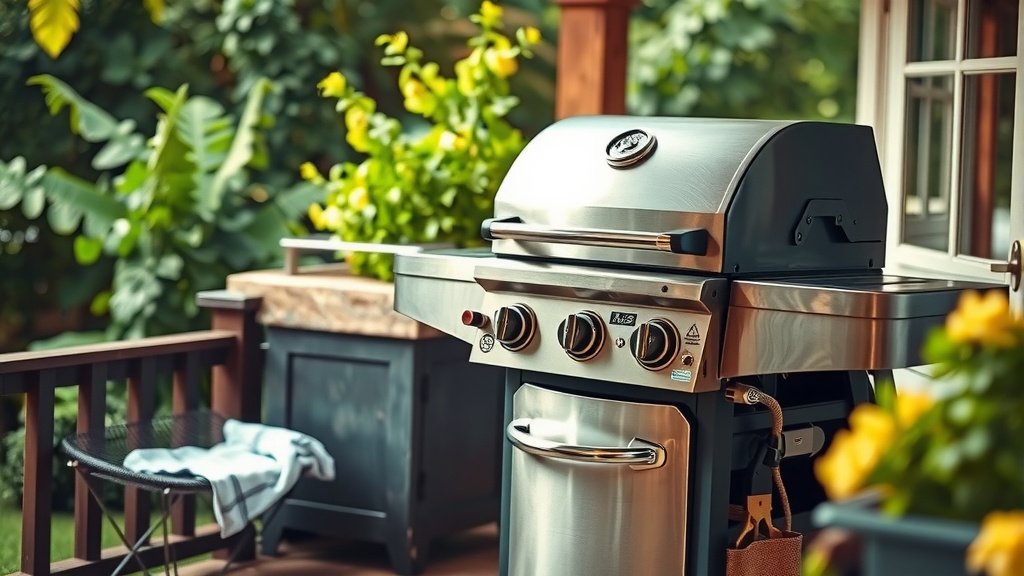
You can effectively remove rust from your BBQ grill using a wire brush, baking soda paste, or a vinegar soak, followed by thorough scrubbing and rinsing.
For persistent rust on your BBQ grill, natural acid solutions like lemon juice with salt or dedicated rust removers can provide stronger cleaning action.
TL;DR: Here’s how to tackle grill rust quickly:
- Scrub off loose rust with a wire brush.
- Apply a paste of baking soda and water, let it sit, then scrub.
- Soak grates in a 50/50 vinegar and water solution overnight for tough spots.
- Rinse everything thoroughly and dry your grates completely.
- Season your clean grates with cooking oil to help prevent future rust.
How To Get Rust Off BBQ Grill?
Getting rust off your BBQ grill involves a few simple steps and common household items. You can often restore your grill grates to a usable, clean condition with a little effort.
Why Does Your Grill Rust?
Rust forms when metal, like your grill grates, reacts with oxygen and moisture. This usually happens after outdoor exposure to rain or humidity.
A grill left uncovered or stored improperly is very prone to rust. Even cleaning without proper drying can leave enough moisture behind.
Some grill materials, like cast iron, are more susceptible to rust than stainless steel. Understanding this helps you choose the right cleaning methods.
Is It Safe To Cook On A Rusty Grill?
Many experts warn against cooking on rusty grill grates (Cleveland Clinic). Rust flakes can transfer to your food, which is not pleasant or ideal.
While small amounts of rust might not cause serious harm, it can affect the taste of your food. Plus, those gritty bits are no fun to chew.
Cleaning the rust away ensures your food stays delicious and hygienic. You want a clean surface for grilling your favorite meals.
Essential Tools for Rust Removal
Before you start, gather a few basic items. Having these ready will make the cleaning process much smoother for you.
- A sturdy wire brush or grill scraper
- Baking soda
- White vinegar
- Lemon juice and salt
- Dish soap
- Warm water
- Scrubbing sponges or steel wool pads
- A large bucket or tub
- Old towels or rags
- Cooking oil (for seasoning)
Step-by-Step Rust Removal Methods
Let’s look at the most effective ways to remove rust from your grill. Each method offers a good path to a cleaner cooking surface.
The Vinegar and Baking Soda Method
This natural combination is a powerful rust fighter. It uses a mild acid and a gentle abrasive to lift rust away effectively.
First, spray your grates generously with white vinegar. Let them sit for about 15-20 minutes to start breaking down the rust.
Next, sprinkle baking soda over the vinegar-soaked grates. You’ll see it fizz, which helps to loosen the rust further.
After letting it sit for an hour or so, scrub the grates vigorously with your wire brush. Rinse thoroughly with water and dry completely.
Using Lemon Juice and Salt
For lighter rust, lemon juice and salt make a great abrasive paste. The acid in the lemon helps dissolve the rust particles.
Mix equal parts lemon juice and coarse salt to form a thick paste. Apply this paste directly to the rusty areas of your grill.
Let the mixture sit for at least 30 minutes, giving the acids time to work. Then, scrub with a brush or sponge until the rust comes off.
Always remember to rinse your grates thoroughly with clean water afterward. Dry them right away to prevent new rust forming.
The Wire Brush and Soap Technique
Sometimes, good old-fashioned scrubbing is what you need. A heavy-duty wire brush can remove surface rust quite well.
Start by scraping off any loose rust or debris with your wire brush. Wear gloves to protect your hands while you work.
Then, wash the grates with warm water and dish soap. Use your wire brush to scrub the grates while they are soapy and wet.
Rinse your grates completely and make sure no soap residue remains. Dry them quickly to avoid any new rust spots.
Rust Removers (With Caution)
For very stubborn rust, you might consider a commercial rust remover. These products are potent and require careful handling.
Always read the product instructions carefully before starting. Many experts recommend wearing protective gear, such as gloves and eye protection.
Work in a well-ventilated area, like outdoors, to avoid inhaling fumes. Apply the remover as directed, often leaving it for a specific time.
It is vital to rinse the grates extremely well after using a chemical remover. You want to make sure no chemicals remain before you cook.
What About Cast Iron Grates?
Cast iron grates need special attention because they are more porous. They rust easily but also clean up well with the right approach.
After cleaning rust from cast iron, you must re-season them (America’s Test Kitchen). This creates a protective, non-stick layer.
To season, coat the grates lightly with cooking oil and heat your grill to a high temperature. Let it burn off for about an hour.
This process bakes the oil into the iron, protecting it from moisture. Re-seasoning regularly helps maintain your grates.
Quick Checklist Before Grilling
- Check grates for any lingering rust.
- Ensure grates are clean and dry.
- Lightly oil grates to prevent sticking.
- Verify all grill parts are assembled correctly.
- Have your grilling tools ready.
Preventing Future Rust on Your BBQ Grill
Once you’ve cleaned the rust, your goal is to keep it from coming back. Prevention is often easier than removing rust again.
Keep It Clean After Every Use
The best way to stop rust is to clean your grill immediately after use. While it’s still warm, it’s much easier to remove food residue.
Use a grill brush to scrape off cooked-on bits. This simple step prevents food from creating moisture traps where rust can start.
A quick clean after each grilling session keeps your grates in top shape. It only takes a few minutes, but saves lots of future trouble.
Proper Storage and Covers
Your grill needs protection from the elements. Rain, dew, and even high humidity can lead to rust if your grill is exposed.
Invest in a good quality grill cover that fits snugly. This acts as a shield against moisture and keeps dust away.
If you can, store your grill in a sheltered area, like a garage or shed. This offers the best protection during long periods of non-use.
Seasoning Your Grates
Seasoning your grill grates, especially cast iron, provides a non-stick and rust-resistant barrier. Think of it like moisturizing your skin.
Lightly coat your clean, dry grates with a high smoke point cooking oil, such as vegetable or canola oil. Use a paper towel to spread it evenly.
Then, heat your grill to a medium-high temperature for about 15-20 minutes. This bakes the oil onto the surface, creating a protective layer.
Regular seasoning not only protects against rust but also makes your grates naturally non-stick. Your food will thank you!
Comparing Rust Removal Techniques
| Method | Effectiveness | Effort Level | Materials Needed |
|---|---|---|---|
| Vinegar & Baking Soda | Good for moderate rust | Medium | Vinegar, baking soda, brush |
| Lemon & Salt Paste | Best for light rust | Low to Medium | Lemon juice, salt, sponge |
| Wire Brush & Soap | Good for surface rust | Medium | Wire brush, dish soap, water |
| Commercial Remover | Excellent for heavy rust | High (safety focus) | Rust remover, PPE, brush |
Conclusion
Dealing with rust on your BBQ grill is a common issue, but it’s totally manageable. By understanding why rust forms and how to tackle it, you can keep your grilling surface clean and ready for action.
Remember, prevention is your best tool. Regular cleaning, proper storage, and seasoning your grates will save you lots of time and effort. Enjoy many rust-free grilling seasons ahead!
Can I use steel wool to clean rust off my grill grates?
Yes, you can use steel wool for cleaning rust, especially on stainless steel or cast iron grates. Just be gentle and rinse very well afterward to ensure no tiny steel particles remain. For cast iron, always re-season after scrubbing with steel wool.
How often should I clean my grill grates to prevent rust?
You should aim to do a quick scrape and clean of your grill grates after every use while they are still warm. A deeper clean, involving rust checks and thorough washing, is a good idea every few weeks or before long periods of storage.
Does olive oil work for seasoning grill grates?
While olive oil can be used, it has a lower smoke point compared to other oils. Many experts prefer vegetable oil, canola oil, or flaxseed oil for seasoning because they can withstand higher temperatures without breaking down or becoming sticky.
What if my grill grates are severely rusted? Should I just replace them?
For severely rusted grates where the metal itself seems compromised, replacement might be the safest and most practical option. Heavy rust can weaken the grate structure and be very hard to remove entirely. A visual inspection helps you decide.
Is there a specific type of grill brush that works best for rust removal?
A heavy-duty wire grill brush with stiff bristles is often recommended for rust removal. Look for one with a good handle for leverage. Some people also use grill scrapers or even crumpled aluminum foil for effective scrubbing.
