
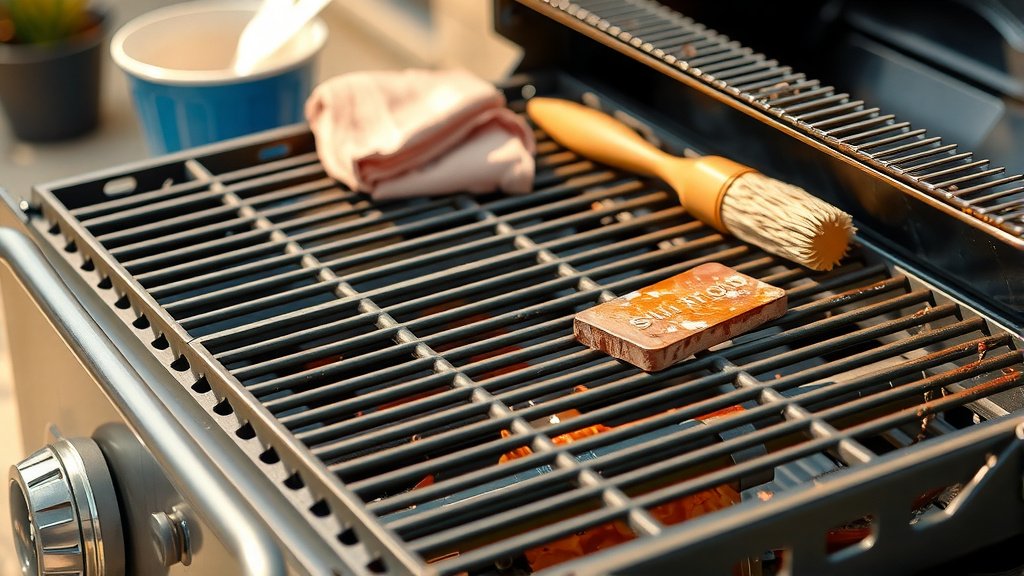
To get rust off BBQ grill grates, start with a stiff wire brush and warm soapy water for light rust, or soak in a vinegar and baking soda solution overnight for heavier corrosion. Always rinse thoroughly and re-season your grates afterward to protect them.
For more stubborn rust on your BBQ grates, a combination of elbow grease with an abrasive pad and a mild acid like white vinegar can effectively loosen and remove it, ensuring your grill is clean and ready for cooking.
- For light rust, scrub with a wire brush and soapy water.
- For moderate rust, soak grates in a vinegar and baking soda paste or solution.
- An onion cut in half can act as a natural abrasive cleaner on warm grates.
- Always rinse thoroughly after cleaning to remove all rust particles and cleaning agents.
- Re-season your grates with cooking oil after every rust removal and cleaning session to prevent new rust.
How To Get Rust Off BBQ Grill Grates?
Getting rust off your BBQ grill grates might seem like a daunting task, but it is certainly doable. The key is choosing the right method for the rust level you are facing. Often, a combination of simple kitchen items and a bit of effort can bring your grates back to life.
Why Rust Forms and If It’s Safe
Rust is a natural enemy of metal, especially cast iron and steel grill grates. It forms when iron reacts with oxygen and moisture, creating iron oxide. Did you know humidity is a big contributor? We found that even simply leaving your grill uncovered outdoors can speed up this process, especially after cooking when food acids might be present.
Many grillers often ask, is it safe to cook on rusty grates? While a tiny bit might not be catastrophic, ingesting rust particles is not ideal (Mayo Clinic). Experts generally advise against it. Rust can chip off into your food, changing the taste and potentially harming your health. Plus, rusty grates heat unevenly, spoiling your cooking experience.
Preparation: Safety and Essential Tools
Before you dive into rust removal, it’s smart to prepare. This means thinking about your safety and gathering the right items. A little planning goes a long way to a successful clean-up.
Prioritizing Your Safety
Your safety is paramount. When dealing with rust, you might need to use some elbow grease or cleaning agents. We always recommend wearing heavy-duty gloves to protect your hands from both rust and chemicals. Safety glasses are a smart choice too, guarding your eyes from flying debris or splashes. Some rust removers might require extra ventilation, so keep that in mind.
Gathering Your Supplies
Having your tools ready makes the job much smoother. What do you need? A sturdy wire brush is a must-have. You will also want a bucket, dish soap, white vinegar, baking soda, and a sponge or abrasive pad. For tougher jobs, you might consider aluminum foil or a stiff-bristled brush. A grill cover and cooking oil will be useful for aftercare.
Effective Rust Removal Techniques
Now, let’s get down to business. There are several proven ways to remove rust from your BBQ grill grates. Each method works a little differently, depending on how much rust you are facing. Let’s look at the top contenders.
The Vinegar & Baking Soda Solution
This classic combo is a powerhouse for moderate rust. Vinegar is an acid that helps dissolve rust, and baking soda acts as a gentle abrasive. Many experts suggest this method for its effectiveness and affordability.
- Place grates in a large plastic bag or bin.
- Pour enough white vinegar to soak the rusty areas.
- Add about half a cup of baking soda; it will fizz!
- Seal the bag or cover the bin and let it sit overnight.
- The next day, use a wire brush or scrubber to easily remove loosened rust.
- Rinse very well with water and dry immediately.
The Humble Onion Scrub Method
Surprise! A simple onion can be a helpful tool. This method works particularly well for light surface rust. It combines natural acids with an abrasive surface. We found this technique to be quite popular for a quick clean.
First, heat your grill to a medium-high temperature. Once warm, spear half an onion with a fork. Rub the cut side vigorously along the grates. The onion’s natural acids and moisture help lift light rust and grime. It’s a surprisingly effective and chemical-free way to clean.
Wire Brushes and Scrapers
For rust that is not too deep, a good old-fashioned wire brush is your friend. This is often the first line of defense against rust. Many grill owners keep one handy for regular cleaning.
Scrub your grates with a stiff wire brush, applying firm pressure. For better results, you can use warm, soapy water. Always brush in one direction to loosen the rust effectively. A specialized grill scraper can also help dislodge stubborn spots. Remember to inspect your brush for loose bristles before and after use (Consumer Reports).
Considering Commercial Rust Removers
When rust is particularly heavy, you might look at commercial rust removers. These products contain stronger chemicals designed to break down rust. However, they require careful handling.
If you choose this route, always read the product instructions carefully. Wear appropriate protective gear, including gloves and eye protection. Ensure good ventilation. After application and scrubbing, rinse the grates repeatedly until you are absolutely certain no chemical residue remains. This is crucial for food safety (NIH guidelines).
Quick Comparison of Rust Removal Methods
Choosing the right method depends on your situation. Here’s a quick overview to help you decide:
| Method | Rust Level | Effort | Chemical Use |
|---|---|---|---|
| Vinegar & Baking Soda | Moderate to Heavy | Medium | Low (natural acids) |
| Onion Scrub | Light | Low | None |
| Wire Brush | Light to Moderate | Medium to High | None (with water/soap) |
| Commercial Remover | Heavy | Low to Medium | High |
Your Grill Grate Rust Removal Checklist
Ready to get started? Follow this simple checklist for a successful rust removal process:
-
Assess the Rust: Determine if it’s light, moderate, or heavy.
-
Gather Supplies: Have your chosen cleaning agents and tools ready.
-
Wear Safety Gear: Gloves and eye protection are a must.
-
Apply Method: Follow steps for your chosen rust removal technique.
-
Scrub Thoroughly: Use a wire brush or abrasive pad.
-
Rinse Completely: Remove all rust and cleaning residues.
-
Dry Immediately: Prevent new rust from forming.
-
Re-season Grates: Protect them for future use.
Preventing Rust: Maintain Your Grill’s Luster
Removing rust is great, but preventing it is even better! A little proactive care can save you a lot of scrubbing later. Keeping your grates pristine is simpler than you might think.
Seasoning and Cleaning Rituals
Think of seasoning as armor for your grates. After every thorough cleaning, or even just after cooking, apply a thin layer of high smoke point cooking oil, like canola or vegetable oil. Heat the grates for about 15-20 minutes. This creates a protective, non-stick barrier. Additionally, always clean your grates after each use once they have cooled slightly. Scrub away food particles and grease. This routine makes a big difference in preventing rust (Weber Grilling Guide).
Protecting from the Elements
Your grill needs a shield from nature’s forces. A good quality grill cover is an excellent investment. It keeps rain, dew, and dust from reaching your grates, which are primary rust triggers. If possible, consider storing your grates indoors during long periods of non-use, especially in humid climates. Some grillers even store their grates wrapped in newspaper inside a plastic bag to keep moisture at bay.
Knowing When to Buy New Grates
Sometimes, despite your best efforts, rust can be too severe. If your grates are excessively pitted, flaking heavily, or the rust has eaten through the metal in places, it might be time for a replacement. Trying to salvage grates in this condition can compromise both food safety and cooking quality. When in doubt, replacing them ensures a better, safer grilling experience.
Conclusion
Tackling rust on your BBQ grill grates is a vital part of grill ownership. It ensures safety, improves food taste, and extends the life of your equipment. With methods ranging from a simple onion scrub to a robust vinegar and baking soda soak, you have plenty of options. Remember to always prioritize safety during cleaning and commit to consistent prevention habits. Your taste buds and your grill will thank you for the extra care.
How can I tell if my grill grates are cast iron or stainless steel?
Cast iron grates are typically heavier, often have a duller, darker finish, and are prone to rust if not seasoned. Stainless steel grates are lighter, usually have a shinier, silvery appearance, and are more rust-resistant but not rust-proof. A simple magnet test can also help: it will stick strongly to cast iron, but only weakly or not at all to stainless steel.
Can I use sandpaper to remove rust from grill grates?
Yes, you can use fine-grit sandpaper for localized, stubborn rust spots, especially on stainless steel grates. However, be cautious with cast iron, as sandpaper can remove the protective seasoning layer. Always ensure to thoroughly clean off any abrasive particles and re-season your grates if you use sandpaper.
What is the best way to re-season grill grates after rust removal?
After rust removal and thorough rinsing, dry your grates completely. Apply a thin, even coat of a high smoke point cooking oil (like vegetable or canola) to all surfaces. Then, heat the grates on your grill for about 15-20 minutes until the oil starts to smoke, forming a protective, non-stick layer. Let them cool before storing.
Is it okay to use a power washer on rusty grill grates?
Using a power washer can be effective for removing loose rust and grime, especially on very rusty grates. However, it can also strip away existing seasoning from cast iron grates and might not remove deeply pitted rust. If you use a power washer, always re-season your grates immediately afterward to prevent flash rust.
How often should I inspect my grill grates for rust?
It is a good habit to inspect your grill grates before and after every use, especially if your grill is stored outdoors. A quick visual check will help you catch any new rust spots early. Regularly checking allows you to address rust while it’s still minor, making removal much easier.
