
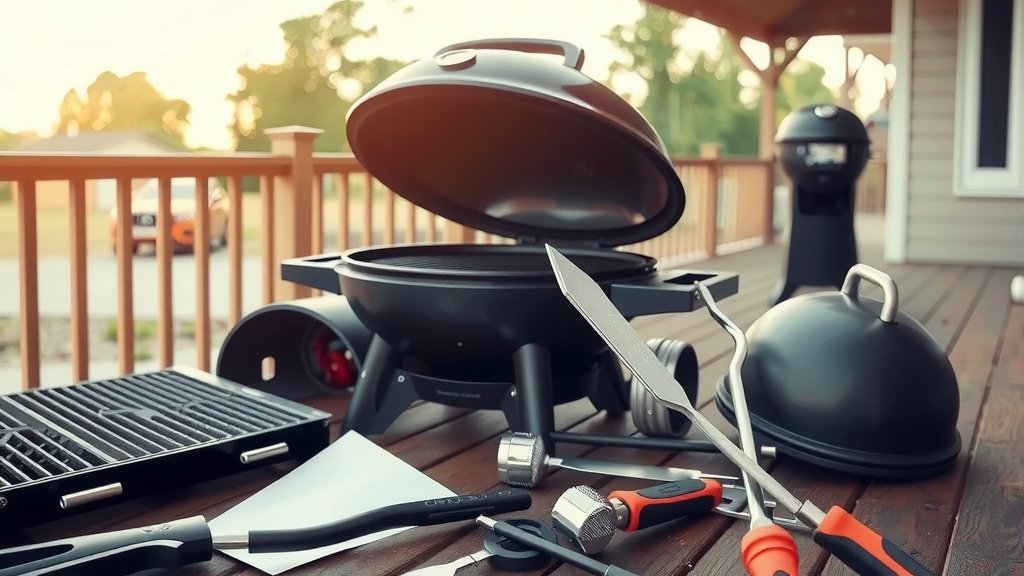
You can fix your BBQ grill by performing routine cleaning and inspection of key components like burners, igniters, and gas connections. Most common grill issues often stem from simple blockages or wear and tear that you can address with basic tools and some elbow grease.
To effectively fix a BBQ grill, start with a thorough cleaning of the interior, including grates and flavorizer bars, then systematically check your gas supply, regulator, and ignition system for proper function and any signs of damage or blockage.
- A quick fix for most grill problems often involves a deep cleaning of the grates, burners, and gas ports.
- Check your gas tank, hose, and regulator first if your grill isn’t lighting or heating correctly.
- Ignition issues are frequently solved by cleaning the igniter probe or replacing the igniter battery.
- Uneven heat or low flames usually point to clogged burner ports that need a good brushing.
- Rust on grates and other metal parts can be managed with proper cleaning and seasoning or replacement.
How To Fix BBQ Grill?
Fixing your BBQ grill often means tackling common issues such as ignition problems, inconsistent heat, or rust. You can handle many of these fixes yourself with a bit of patience and the right tools.
We’ve found that a methodical approach to diagnosis is always best. Before you grab any tools, take a moment to understand what isn’t working right with your grill.
Understanding Your Grill’s Problems
Before any repair, you need to understand the problem. Is it not lighting, or is the heat inconsistent? Perhaps you have visible rust or a strange smell.
Knowing the symptoms helps you pinpoint the root cause more quickly. Think of it like a doctor asking about your symptoms before prescribing a remedy (Cleveland Clinic).
Diagnosing Ignition Failures
If your grill won’t light, it’s frustrating, isn’t it? This is a very common issue. You might hear the gas, but no flame appears.
Many experts say the first thing to check is your gas tank. Is it full? Is the valve fully open? Sometimes, a simple twist is all it takes.
Low Heat or Uneven Heating Fixes
Are your burgers cooking only on one side? Low or uneven heat can ruin your barbecue experience. This often points to problems with your burners.
Clogged burner ports are a frequent culprit. You can usually see small holes along the burner that might be blocked with grease or food debris.
Tackling Rust and Corrosion
Rust is the arch-nemesis of any grill. It degrades performance and can be unsightly. Early intervention can prevent serious damage.
We found that regular cleaning and proper storage extend the life of your grill parts significantly. A little care goes a long way here.
Essential Tools for Grill Repair
Having the right tools makes any repair job much easier. You do not need a fancy workshop to fix your grill.
A few basic items are usually enough. Always have these handy for quick maintenance or minor repairs.
- Wire brush (nylon or brass)
- Screwdriver set (Philips and flathead)
- Adjustable wrench
- Pliers
- Soapy water and a sponge
- Replacement igniter battery (if applicable)
Step-by-Step Fixes for Common Grill Issues
Now, let’s get into the practical solutions. Remember to always turn off the gas supply and disconnect the tank before you begin any work.
Safety comes first, always. This small step prevents potential hazards while you are working on your grill.
Fixing Ignition Problems
If your igniter clicks but no flame appears, it’s usually one of a few things. First, confirm you have gas flow.
Then, check the igniter electrode. Is it clean? A dirty probe cannot spark correctly (Consumer Reports).
Many igniters run on a simple AA or AAA battery. Have you checked or replaced yours lately? It is a quick and easy swap.
Cleaning Clogged Burners
For low or uneven heat, your burners are likely the problem. You will need to remove them for a thorough cleaning.
Use a wire brush to gently clean the burner ports. A small paperclip can help clear stubborn clogs in each hole.
Once clean, reattach the burners carefully. Ensure they are seated correctly for even gas distribution.
Replacing Grill Grates and Flavorizer Bars
Heavily rusted or warped grates and flavorizer bars can seriously impact cooking. Sometimes, cleaning isn’t enough.
Replacing these parts is often straightforward. Simply lift out the old ones and drop in the new, ensuring a proper fit.
Always buy parts specifically designed for your grill model for the best performance and safety.
Addressing Gas Supply Problems
Your grill needs a consistent, unobstructed gas flow to work. Problems here can cause serious headaches, or even prevent your grill from lighting at all.
Always exercise caution when dealing with gas components. A little leak can become a big issue.
Regulator and Hose Inspection
The regulator manages gas pressure from the tank to the burners. A faulty regulator can cause low flame or uneven heat.
Check the hose for cracks or wear. A simple soapy water test can reveal leaks. If you see bubbles, you have a leak.
Tighten any loose connections. If the hose or regulator is damaged, replacing the entire assembly is often the safest bet (UL Standards).
| Common BBQ Grill Problems | Probable Cause | Quick Fix Solution |
|---|---|---|
| Grill Won’t Light | Empty gas tank, clogged igniter, faulty igniter battery | Check gas level, clean igniter, replace battery |
| Low or Uneven Heat | Clogged burner ports, faulty regulator, gas leak | Clean burners, check regulator, perform leak test |
| Excessive Flare-Ups | Grease buildup, dirty flavorizer bars | Clean grill interior, remove grease, replace bars |
| Rust on Grates | Lack of cleaning, improper storage | Scrub grates, re-season, store covered |
When to Call a Professional or Replace Your Grill
While many fixes are DIY-friendly, some problems warrant professional help. Knowing your limits is key.
If you suspect a major gas leak you cannot find, or if the main gas manifold is damaged, call a professional. Your safety is paramount.
Sometimes, the cost of parts and labor outweighs the value of an older grill. A new grill might be a better investment in the long run.
Maintenance for Grill Longevity
Regular maintenance can prevent most problems before they start. A little effort each season saves you time and money on repairs.
Keep your grill clean, covered, and check for wear and tear periodically. This proactive approach ensures many seasons of delicious grilling.
BBQ Grill Repair Checklist
Before you fire up the grill again, run through this quick checklist. It helps ensure everything is safe and ready for your next cookout.
- Gas tank full and valve open?
- Hose and regulator checked for leaks?
- Burner ports clean and clear?
- Igniter sparking correctly?
- Grates and flavorizer bars clean and intact?
- No strange gas odors present?
Conclusion
Fixing your BBQ grill doesn’t have to be a daunting task. With a little troubleshooting and some basic tools, you can resolve most common issues yourself.
Remember, regular cleaning and inspection are your best friends in maintaining a healthy grill. You’ll enjoy consistent, perfectly cooked food for years to come.
Always prioritize safety. If a repair feels beyond your comfort level, don’t hesitate to seek professional help. Happy grilling!
How do I stop my grill from flaring up?
To stop your grill from flaring up, ensure you clean the interior of your grill regularly, removing excess grease buildup on the grates, flavorizer bars, and burner covers. Trim excess fat from meats before cooking, and keep a spray bottle of water nearby for small flare-ups.
Can a rusty grill be safe to use?
A grill with surface rust on the grates or flavorizer bars can often be safe to use after a thorough cleaning with a wire brush and re-seasoning. However, if rust is deep or causes structural instability, particularly on burner components or gas lines, it may be time to replace those parts or the entire grill for safety.
Why is my gas grill not getting hot enough?
If your gas grill isn’t getting hot enough, first check if the gas tank is full and the valve is fully open. The most common reasons include clogged burner ports, a faulty gas regulator, or a disconnected or kinked gas hose. Try cleaning the burners and ensuring the regulator is properly seated.
How often should I clean my grill burners?
You should aim to clean your grill burners at least once or twice per grilling season, depending on how frequently you use your grill. A good deep clean of the burners helps remove accumulated grease and food debris that can clog the ports and lead to uneven heating or low flame.
When should I replace my grill regulator?
You should replace your grill regulator if you notice a consistent low flame or inconsistent heat despite the tank being full and burners being clean. Also, if the regulator appears physically damaged, cracked, or if you detect a gas smell near it, replacement is essential for safety.
