
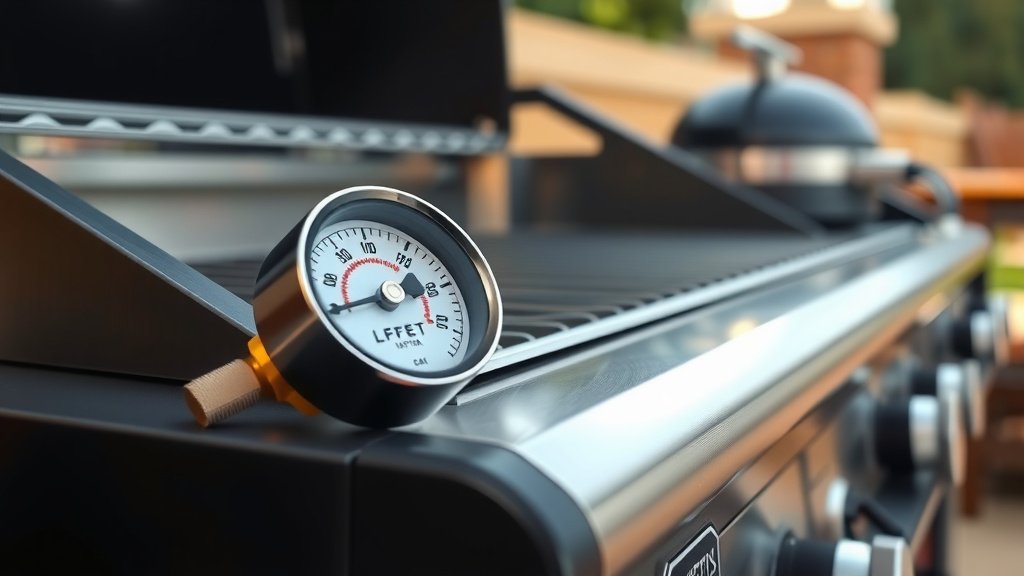
Resetting a gas grill regulator often involves disconnecting it from the tank, turning off the gas, waiting a few minutes, and then carefully reconnecting to allow proper gas flow.
If your regulator is truly faulty or damaged, attempting to fix a gas grill regulator isn’t recommended; experts advise replacing the unit entirely for safety reasons.
Here’s a quick overview of what you’ll learn about your grill regulator:
- Most regulator “fixes” are simple resets, not repairs.
- Always prioritize safety: shut off gas and inspect for leaks.
- You can easily test your regulator’s function and check for leaks at home.
- If damaged or truly malfunctioning, replacement is the safest solution.
- Regular maintenance helps prevent common regulator issues.
How To Fix A Regulator On A Gas Grill?
You can often “fix” a gas grill regulator by performing a simple reset procedure, which resolves many low-flow issues without needing replacement parts. If the regulator is physically damaged or leaking, you must replace it.
Is Your Gas Grill Regulator Really Broken?
It’s a common scenario: you fire up the grill, expecting a roaring flame, but get a sad, sputtering flicker. Your first thought might be, “Oh no, my regulator is broken!” But wait, is it really? Many times, what seems like a broken regulator is actually just a safety feature doing its job, restricting gas flow because of a perceived leak.
Understanding Your Grill Regulator
Think of your gas grill regulator as the traffic cop for your propane. It controls the pressure, ensuring a steady, safe flow of gas from your tank to your burners. Without it, you’d have too much pressure, which is both inefficient and very dangerous. It’s a pretty vital component for your grilling success.
Signs of a Struggling Regulator
How can you tell if your regulator is struggling? There are a few clear indicators that something isn’t right. Knowing these signs helps you decide if a reset or replacement is needed.
Low Flame Blues
One of the most frequent complaints is a consistently low or weak flame, even when the gas tank is full. You might struggle to reach high temperatures. This often points to your regulator limiting the gas flow.
Uneven Heat Spots
Are some parts of your grill blazing hot while others are barely warm? This inconsistent heating can also be a sign. A regulator that’s not delivering gas steadily might be the culprit. It makes grilling a true guessing game, doesn’t it?
The First Step: Resetting Your Regulator
This is often the magical fix. Your grill’s safety system might have tripped, restricting gas flow. It’s like when your computer acts up, and a simple restart solves everything. Many experts say a regulator reset is the first thing to try (National Fire Protection Association).
Step-by-Step Regulator Reset
Ready to try a reset? It’s straightforward, and you can do it quickly. Just follow these steps carefully:
- Turn off everything: First, make sure all burner knobs on your grill are in the OFF position.
- Gas off at the tank: Close the valve on your propane tank completely. Spin it clockwise until it’s snug.
- Disconnect the regulator: Carefully unscrew the regulator hose from the propane tank.
- Wait it out: Give it about 5-10 minutes. This allows any built-up pressure to dissipate and the safety mechanism to reset itself. Think of it as a little breather for your grill.
- Reconnect tightly: Reattach the regulator hose securely to the propane tank. Hand-tight is usually sufficient, but ensure it’s snug.
- Open gas slowly: Now, slowly open the propane tank valve all the way. Go easy; opening it too fast can trip the safety device again.
- Light a burner: Open one burner knob to the HIGH setting and hit the igniter. Does it light up strongly?
- Test others: If one burner lights well, turn on the rest. You should now see strong, even flames.
Safety First: Before You Start
Working with gas always requires caution. Before you touch anything, always ensure your grill is cool and the propane tank valve is completely closed. Wear gloves if you like. Safety is always your top priority, right?
Testing Your Gas Grill Regulator for Leaks
What if the reset didn’t work, or you suspect a leak? A simple soap and water test can help you identify gas leaks. We found this is a reliable method many grillers use (Propane Education & Research Council).
| Step | Action | Expected Result |
|---|---|---|
| 1 | Mix dish soap and water (50/50). | Creates a bubbly solution. |
| 2 | Apply mixture to regulator and hose connections. | Coat all joints generously. |
| 3 | Slowly open propane tank valve. | Gas pressure builds. |
| 4 | Watch for bubbles. | Bubbles mean a leak. No bubbles indicate no leak. |
If you see bubbles, immediately shut off the gas. Do not use your grill until the leak is fixed or the part is replaced.
When to Replace, Not Repair
Sometimes, a reset simply isn’t enough. If your regulator is physically damaged, old, or continues to malfunction after a reset and leak test, replacement is the safest course of action. You don’t want to risk gas leaks or inconsistent heat that ruins your BBQ.
Visual Inspection Checklist
Before buying a new regulator, do a quick visual check. Look for these signs of wear and tear:
- Are there any cracks in the hose or casing?
- Do you see rust or corrosion on the metal parts?
- Are there any kinks or bends in the hose?
- Does the connection point look worn or stripped?
- Can you smell gas even when the tank valve is closed?
Any “yes” to these points means it’s time for a replacement.
Replacing a Faulty Regulator
Replacing a regulator is usually quite simple. It’s typically a quick screw-on, screw-off job. You just need the right parts and a little know-how.
Tools You’ll Need
You’ll probably only need a few basic tools:
- Adjustable wrench or channel locks
- New regulator (make sure it’s compatible with your grill!)
- Soap and water for the leak test
Finding the right replacement is crucial. Take your old regulator to the store or check your grill’s manual for the correct specifications.
The Replacement Process
It mirrors the disconnection process. First, ensure the gas is off and the old regulator is fully disconnected. Then, carefully attach the new regulator to the grill’s manifold and then to the propane tank. Tighten all connections securely, but don’t overtighten. Finally, perform the soap and water leak test to confirm everything is safe. You’re almost ready to grill!
Common Regulator Myths Debunked
You might hear old wives’ tales about regulators. For instance, some people believe you can drill a small hole to “fix” a restricted regulator. We found that this is extremely dangerous and could lead to gas leaks or explosions. Stick to tested, safe methods like resetting or replacing.
Maintaining Your Regulator for Longevity
While regulators are built to last, a little care can help. Keep the regulator and hose clean, free of grease buildup. Store your grill covered to protect components from the elements. Disconnecting the regulator and storing the tank separately during off-season months can also prolong its life.
Conclusion
Dealing with a gas grill regulator issue can feel daunting, but most problems are solved with a simple reset. Remember the steps: turn off gas, disconnect, wait, reconnect slowly, and then test. If the issue persists or you find any physical damage or leaks, don’t hesitate to replace it. Prioritizing safety and proper function ensures your grilling experiences remain enjoyable and worry-free. You’ve got this!
Can a dirty gas grill regulator cause low flames?
While not directly, sometimes debris or spiders can get into the grill’s manifold or venturi tubes, causing blockages that mimic regulator issues. The regulator itself is typically sealed, but a blocked hose leading to it could impact performance.
How long do gas grill regulators typically last?
Many experts say a gas grill regulator can last anywhere from 5 to 10 years, depending on usage, weather exposure, and proper maintenance. Always replace it if you notice any visible damage or suspect a leak.
Is it normal for a gas grill regulator to make a humming sound?
A faint humming or buzzing sound can be normal for some regulators, especially when gas is flowing. This is usually due to the vibration of internal components. If the sound is loud, new, or accompanied by performance issues, it’s wise to investigate.
Can I use any gas grill regulator as a replacement?
No, you need a regulator specifically designed for your grill type and propane tank. Regulators are rated for certain gas pressures (e.g., Type 1 QCC). Using the wrong one can be dangerous or prevent your grill from working correctly. Always check your grill’s manual or the old regulator’s specifications.
What should I do if my gas grill regulator freezes?
If you notice ice forming on your regulator, it’s often a sign that the propane tank is running low, or the ambient temperature is very cold. Turn off the grill and gas, let it thaw naturally, and ensure adequate ventilation. If it continues, your tank might be overfilled, or there’s an issue with the tank itself. Avoid pouring hot water on it.
