
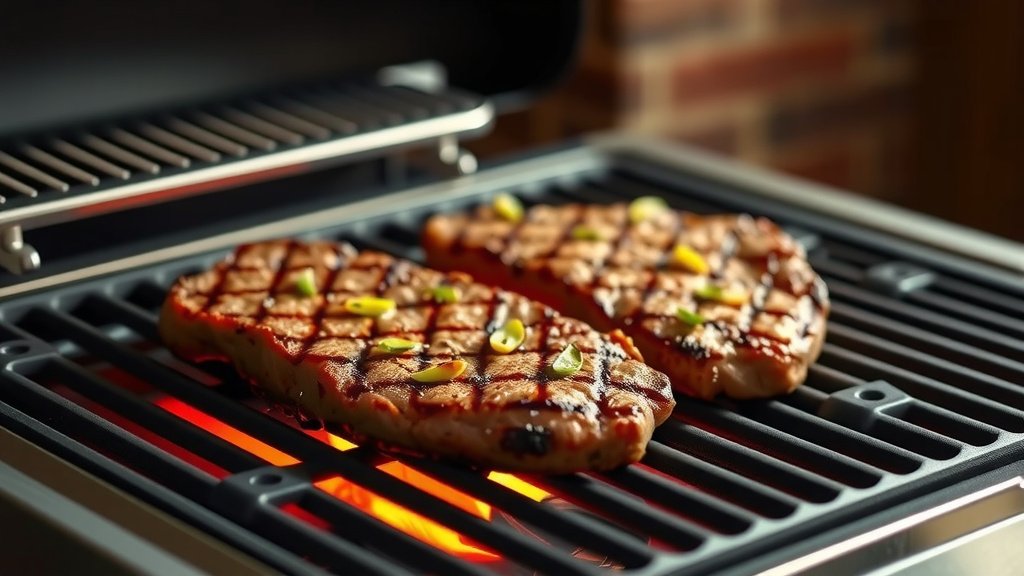
To cook on a Blackstone grill, you first need to **properly season the griddle surface** to build a non-stick layer and prevent rust.
Once seasoned, preheat your Blackstone to the target temperature, apply a thin coat of high-smoke-point oil, and then place your food directly onto the hot griddle for efficient and delicious results.
- A Blackstone grill offers versatile cooking from breakfast to dinner.
- Proper seasoning is your first and most **important step for success**.
- Preheating correctly ensures even cooking and perfect sears.
- Use the right oil and tools to make your griddle cooking easier.
How To Cook On A Blackstone Grill?
Learning how to cook on a Blackstone grill opens up a new world of culinary possibilities in your backyard. We found that mastering a few simple steps lets you prepare amazing meals quickly and easily.
First Things First: Seasoning Your Blackstone
Before any cooking begins, you must **season your new Blackstone griddle**. Think of this like preparing a cast-iron skillet. Many experts say this initial step is critical for a non-stick surface and rust protection.
To season, wash the griddle with hot water and soap, then dry it completely. Apply a thin layer of cooking oil, like flaxseed or canola, all over the surface. Heat the griddle on high until it smokes, then let it cool. Repeat this oil-and-heat process 3-5 times.
Preheating Your Griddle
Just like a good pan, your griddle needs proper preheating. We found that rushing this step often leads to unevenly cooked food. Give your Blackstone **10-15 minutes to reach temperature** before adding food.
Different foods need different heat. For searing steaks, you want higher heat. For pancakes, a medium setting is usually best. Learning your griddle’s hot and cool spots helps immensely.
Choosing the Right Oil
When cooking on a griddle, the oil matters. You need oils with a **high smoke point** to avoid burnt flavors. Canola, vegetable, grapeseed, or avocado oil work wonderfully.
Olive oil is great for flavor but has a lower smoke point. Many culinary guidelines suggest saving it for finishing dishes or lower-temperature cooking (Cook’s Illustrated).
Mastering Griddle Techniques
Cooking on a Blackstone is straightforward once you grasp a few key techniques. It’s all about heat management and proper food placement.
The Art of Searing
To get that fantastic crust on burgers or steaks, use high heat. Place your food down and **let it sit undisturbed** for a few minutes. This allows the Maillard reaction to work its magic, creating incredible flavor.
Flipping too early prevents a good sear. Patience is key. We often tell beginners to resist the urge to peek!
Chopping and Mixing
For dishes like fried rice or cheesesteaks, chopping on the griddle is part of the fun. Use two spatulas to **chop and mix ingredients** right on the hot surface. This keeps everything together and cooks it evenly.
This technique makes cleanup easier too, as everything stays on one surface.
Steaming with a Dome
When you want to melt cheese or steam vegetables, a griddle dome is your friend. Add a splash of water near your food, then cover it with the dome. The steam trapped inside will **cook your food faster** and melt cheese perfectly.
This is especially handy for cheeseburgers, melting that gooey goodness right on top.
Essential Tools for Your Blackstone Grill
Having the right tools makes griddle cooking much more enjoyable. Think of these as extensions of your own hands.
- Two sturdy spatulas for flipping and chopping.
- A griddle scraper for easy cleanup.
- A squirt bottle for oil and water.
- A dome cover for steaming.
- Tongs for precise food handling.
What Can You Cook on a Blackstone?
The beauty of a Blackstone grill is its versatility. You can cook almost anything! Research shows these griddles excel at many different meals.
| Meal Type | Popular Dishes | Ideal Temperature |
|---|---|---|
| Breakfast | Pancakes, Bacon, Eggs, Hash Browns | Low to Medium |
| Lunch/Dinner | Burgers, Cheesesteaks, Fajitas, Fried Rice | Medium to High |
| Dessert | Grilled Pineapple, S’mores, Cinnamon Rolls | Low to Medium |
| Sides | Grilled Vegetables, Roasted Potatoes | Medium |
Cleaning Your Blackstone After Cooking
Proper cleaning extends your griddle’s life and keeps it ready for the next meal. We found this step is often overlooked but truly vital.
While the griddle is still warm, scrape off food residue with your griddle scraper. Add a bit of water to loosen stubborn bits. Wipe it clean with paper towels. Finally, apply another thin layer of oil to protect the surface.
A Quick Pre-Cook Checklist
Before you even light your grill, run through this quick checklist. It helps ensure a smooth and fun cooking session every time.
- Griddle surface clean and seasoned?
- Propane tank full?
- All ingredients prepped and ready?
- Necessary tools within reach?
- Oils and seasonings on hand?
- Ventilation clear if cooking indoors (not recommended)?
Troubleshooting Common Griddle Issues
Even experienced griddlers face minor issues. Don’t worry, most problems have simple fixes. We found that understanding heat zones helps a lot.
If food sticks, your seasoning might be thin, or the griddle wasn’t hot enough. If food burns too quickly, reduce the heat. Adjusting your technique often solves the problem.
Conclusion
Cooking on a Blackstone grill offers a fantastic way to enjoy outdoor cooking. From sizzling breakfasts to flavorful dinners, your griddle can handle it all with ease. By focusing on proper seasoning, sensible preheating, and smart cooking techniques, you’ll create unforgettable meals. Remember, practice makes perfect, and every meal helps you learn your griddle better. Happy cooking!
How do I properly season a brand-new Blackstone griddle?
To season a new Blackstone griddle, first wash it with hot water and dish soap, then dry completely. Apply a thin coat of high-smoke-point oil (like flaxseed or canola). Heat the griddle on high until it smokes, then let it cool. Repeat this oiling and heating process 3-5 times to build a strong, non-stick layer.
What are the best oils to use when cooking on a Blackstone?
The best oils for cooking on a Blackstone griddle are those with high smoke points. Options like canola oil, vegetable oil, grapeseed oil, or avocado oil work wonderfully. These oils can withstand the high temperatures often used on a griddle without burning or producing off-flavors.
How do I prevent food from sticking to my Blackstone griddle?
Preventing food from sticking comes down to two main things: good seasoning and proper preheating. Ensure your griddle is well-seasoned and maintained with a thin oil layer after each use. Also, make sure the griddle is fully preheated to the correct temperature before you add your food.
Can I cook delicate foods like eggs or fish on a Blackstone?
Yes, you can absolutely cook delicate foods like eggs and fish on a Blackstone. The key is to use a lower to medium heat setting and ensure your griddle is well-seasoned with a thin layer of oil. This creates a gentle, non-stick surface perfect for these items.
What’s the best way to clean my Blackstone griddle after cooking?
The best way to clean your Blackstone griddle is while it’s still warm. Scrape off any food residue using a griddle scraper. You can add a small amount of water to help loosen stubborn bits. Wipe the surface clean with paper towels, then apply a fresh, thin layer of cooking oil to protect the seasoning.
