
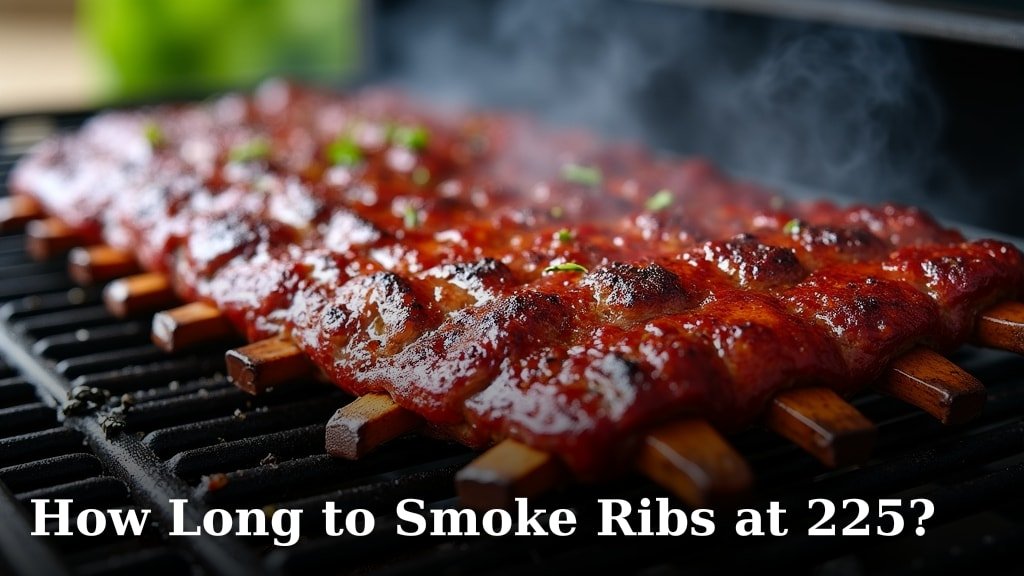
When smoking ribs at 225°F, you can generally expect them to take anywhere from 4 to 6 hours to become perfectly tender and pull-apart delicious. This timeframe is a good starting point, but remember that every rack of ribs is a little different, and your smoker’s temperature can fluctuate. The real goal is to reach an internal temperature of 195-203°F.
Smoking ribs is a labor of love, and patience is key. At a consistent 225°F, you’re allowing the connective tissues to break down slowly, resulting in that melt-in-your-mouth texture. We found that the “bend test” and the “probe test” are great indicators, alongside temperature, to know when your ribs are ready for saucing or serving. Don’t rush the process; good BBQ takes time!
- Ribs at 225°F typically take 4-6 hours.
- The target internal temperature is 195-203°F.
- Use the bend test and probe test to check for doneness.
- Patience is the secret ingredient for tender ribs.
Ready to get that smoky goodness going? Let’s break down the smoking process step-by-step to ensure your ribs are a huge hit.
“`htmlSmoking Ribs: Your Guide to Perfect Timing at 225°F
Wondering how long to smoke ribs at 225°F for that legendary tender bite? You’re in the right spot. While the clock is a useful guide, it’s not the whole story. We found that the sweet spot for most racks of ribs at this temperature is between 4 to 6 hours. But remember, this is just an estimate. Your main goal is to reach an internal temperature of 195°F to 203°F.
This lower temperature allows the magic of low-and-slow cooking to happen. Connective tissues in the ribs break down slowly. This is what gives you that melt-in-your-mouth texture everyone craves. So, let’s dig into the details of getting your ribs just right.
Understanding the Smoking Process
Smoking ribs is a journey, not a race. At 225°F, you’re giving the smoke ample time to infuse the meat. This low heat also helps to render the fat slowly. This process keeps your ribs moist and flavorful from the first bite to the last.
Why 225°F is a Smoker’s Best Friend
Many pitmasters swear by 225°F for a reason. It’s a temperature that respects the meat. It doesn’t cook too fast, which can toughen the rib muscles. Instead, it gently coaxes out tenderness over several hours. This steady heat is essential for breaking down collagen without drying out the pork. We found this temperature offers the best balance between flavor infusion and tender results.
What Type of Ribs Are You Smoking?
The type of ribs you choose will affect your cooking time. Pork spare ribs are a bit larger and thicker. They often need a little more time. Baby back ribs are smaller and leaner. They tend to cook a bit faster. St. Louis style ribs are trimmed spare ribs, so their size can vary. Knowing your ribs helps you plan your smoking session better.
Estimating Your Rib Smoking Time
Let’s get down to brass tacks regarding time. At 225°F, a good rule of thumb is to budget 60 minutes per pound of ribs. However, this is just a starting point. Many factors can influence the actual time. Your smoker’s performance is a big one. The thickness of the ribs matters too. Always rely on temperature and feel, not just the clock.
Baby Back Ribs: The Speedsters
For a rack of baby back ribs, you’re likely looking at around 3 to 4 hours at 225°F. They are the leanest and smallest. This means they’ll reach your target internal temperature quicker. Always start checking them earlier. You don’t want to overcook these tender cuts.
Spare Ribs and St. Louis Style Ribs: The Marathoners
Spare ribs and St. Louis style ribs are more substantial. Expect them to take longer. A good estimate is 4 to 6 hours. Sometimes, they might even creep up to 7 hours, especially if they are particularly thick or dense. Patience is your best ingredient here. We found that thicker racks often require a longer smoke to become truly tender.
The Famous “3-2-1” Method (A Starting Point!)
You might have heard of the “3-2-1” method. This is a popular technique, especially for spare ribs. It breaks down the cook into three phases:
- 3 hours unwrapped, smoking
- 2 hours wrapped in foil (or butcher paper) with some liquid
- 1 hour unwrapped, sauced, and finishing
Signs Your Ribs Are Ready: Beyond the Clock
This is where the real barbecue artistry comes in. Your ribs are done when they are tender, not just when the timer goes off. We’ve identified a few key indicators that tell you your ribs are perfectly cooked.
The Bend Test: Feeling the Flexibility
This is a fun one! Pick up the rack of ribs using tongs. If it bends easily and the meat starts to crack, they are likely ready. If the rack breaks apart completely, they might be a little overcooked. If it’s stiff, they need more time. Research shows this visual cue is very reliable for assessing tenderness.
The Probe Test: Gentle Resistance is Key
This is perhaps the most definitive test. Take a thermometer probe, a toothpick, or even a skewer. Gently insert it into the meat between the bones. It should slide in with very little resistance, like butter. If you feel a lot of resistance, they need more cooking time. This test works well for any cut of ribs.
Internal Temperature: The Gold Standard
The most scientific way to know your ribs are done is by checking their internal temperature. You’re aiming for a range of 195°F to 203°F (90.5°C to 95°C). Use an instant-read thermometer inserted into the thickest part of the meat, avoiding any bone. Many culinary resources, including those from the USDA, recommend these temperatures for tender, safe pork.
Visual Cues: Color and Pull-Back
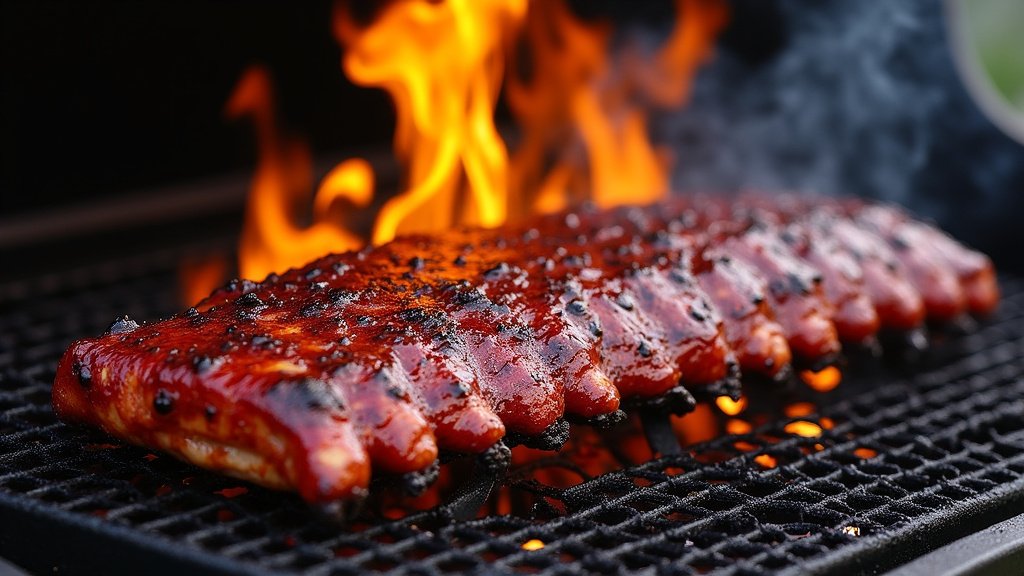
As your ribs cook, the meat will shrink back from the ends of the bones. This “bone pull-back” is a good sign of tenderness. The meat should also have a deep mahogany color. It shouldn’t look pale or undercooked. A good bark, that slightly crispy exterior, is also a sign of a well-smoked rack.
Factors That Can Affect Smoking Time
Let’s talk about what can throw your rib-smoking schedule off track. Understanding these variables will help you adjust your plan on the fly.
Smoker Temperature Fluctuations
Maintaining a steady 225°F is the goal, but smokers can be finicky. Wind, ambient temperature, and how often you open the lid can all cause temperature swings. If your smoker temp drops significantly, your ribs will take longer. If it spikes, they might cook faster (and potentially dry out).
Rib Thickness and Bone Size
As mentioned, thicker ribs have more mass to heat through. They will naturally take longer than thinner racks. The size of the bones themselves can also influence heat penetration. Larger bones can sometimes take a bit longer to cook around.
Wrapping Ribs: The Texas Crutch
Wrapping your ribs in butcher paper or foil, often called the “Texas Crutch,” is a common technique. This method speeds up the cooking process. It traps steam, braising the meat and helping it become tender faster. If you choose to wrap, expect your total smoking time to be reduced. Many people wrap around the 3-hour mark.
Barometric Pressure and Humidity
This might sound strange, but some pitmasters swear that weather conditions can play a role. High humidity or changes in barometric pressure can sometimes affect how quickly smoke penetrates and how heat transfers. While not a primary factor, it’s something to be aware of.
When to Sauce Your Ribs
Saucing too early can cause the sugar in your BBQ sauce to burn. This results in a bitter, acrid taste. We found that it’s best to sauce your ribs during the final 30 to 60 minutes of the cook. This allows the sauce to caramelize and form a sticky glaze without burning to a crisp.
Checklist for Perfect Ribs at 225°F
Here’s a quick rundown to keep you on track:
- Preheat your smoker to a stable 225°F.
- Season your ribs generously with your favorite rub.
- Smoke unwrapped for the first 3-4 hours, monitoring temperature.
- Consider wrapping them if you want to speed up the process or tenderize further.
- Check for tenderness using the bend, probe, or internal temperature tests.
- Sauce during the last 30-60 minutes of cooking.
Conclusion
You’ve learned that smoking ribs at 225°F is a journey rewarding patience. Remember, the 4-to-6-hour window is a guide, but your senses are the best tools. Always aim for that 195-203°F internal temperature. Use the bend and probe tests to feel for perfect tenderness. Don’t fear the occasional smoker temp fluctuation; adjust as needed. Your commitment to low-and-slow cooking will deliver those fall-off-the-bone ribs you’ve been dreaming of. Now, fire up that smoker and get ready to impress!
Frequently Asked Questions
What if my ribs are taking longer than 6 hours at 225°F?
Don’t panic if your ribs are exceeding the estimated time. Factors like rib thickness, smoker consistency, and even ambient weather can affect cooking duration. Continue to rely on your probe test and internal temperature readings to determine doneness. Patience truly is key for perfectly tender results.
Can I smoke ribs at 250°F instead of 225°F?
Yes, you can. Smoking ribs at 250°F will speed up the cooking process. You might find they are done in about 3-5 hours, depending on the cut. Just be extra vigilant with your probe test and internal temperature to avoid overcooking.
How do I know when to wrap my ribs?
Many pitmasters wrap their ribs when they reach a desired color or a specific internal temperature, often around 160-165°F. Wrapping, or the “Texas Crutch,” helps push through the stall and tenderize the meat. This usually happens after about 3 hours of unwrapped smoking.
What’s the best way to check the internal temperature of ribs?
Use an instant-read thermometer inserted into the thickest part of the meat between the bones. Make sure to avoid touching any bone, as this can give you an inaccurate reading. Aim for that target range of 195-203°F for optimal tenderness.
Do I need to remove the membrane before smoking ribs?
Yes, removing the thin, papery membrane from the bone side of the ribs is highly recommended. This membrane can be tough and chewy, preventing rubs from penetrating the meat. It also allows heat and smoke to reach the meat more effectively for better flavor and texture.
