How Long To Preheat Gas Grill?
To properly preheat a gas grill, you should generally allow 10 to 15 minutes for it to reach the ideal cooking temperature. For a fuller timing breakdown, see our guide to gas grill heating time.
This ensures your grill grates are hot enough, typically between 400°F and 500°F, before you place any food on them.
- You should preheat your gas grill for 10-15 minutes to reach 400-500°F.
- Proper preheating creates better sear marks and prevents food from sticking.
- Factors like grill size, outside temperature, and maintenance can affect preheat time.
- Always close the lid while preheating to trap heat efficiently.
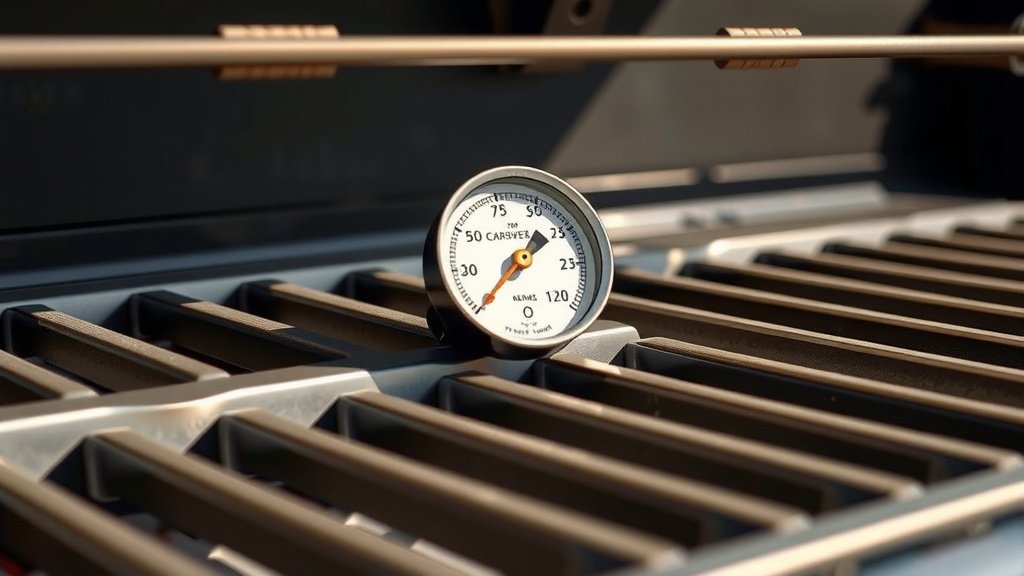
- Use a reliable grill thermometer to confirm your desired temperature.
How Long To Preheat Gas Grill?
You should preheat your gas grill for approximately 10 to 15 minutes, aiming for a temperature between 400°F and 500°F.
This window provides enough time for the grates to get hot and deliver optimal cooking results for most foods.
Why is Preheating Your Gas Grill So Important?
Preheating is much more than just warming up the grill; it’s about preparing it for peak performance.
When the grates are hot, they create those desirable sear marks on your meat, locking in juices and flavor.
A hot surface also prevents food from sticking, making for an easier flip and a cleaner cooking experience (Grill Manufacturer Guidelines).
Additionally, a properly preheated grill helps cook food evenly and more safely, especially for items like chicken and pork (Food Safety Experts).
Factors That Influence Preheat Time
Several elements can change how long it takes for your grill to heat up. It’s not always a one-size-fits-all answer.
Larger grills with more burners often take a bit longer to reach their target temperature.
The outside air temperature plays a big role; on a cold day, your grill will need more time to get hot.
If your propane tank is low, or if you have dirty burners, your grill might struggle to heat effectively.
A windy day can also strip away heat, making your grill work harder to get to temperature.
Grill Size and Burner Power
Think of it like boiling water. A bigger pot takes more energy and time to heat up. Your grill is similar.
More powerful burners can heat a grill faster, but a larger cooking surface will still demand more time.
Ambient Temperature and Wind
Grilling in the summer is different from grilling in winter. Colder air means your grill loses heat faster.
Wind acts like a fan, blowing away the precious heat from your grates. Try to position your grill in a sheltered spot if possible.
Fuel Level and Burner Condition
A nearly empty propane tank won’t provide the strong, consistent flame needed for quick heating.
Clogged burners, often from grease or food debris, can create uneven heat or reduce overall heat output. Regular cleaning is key.
How Do You Know When Your Grill Is Ready?
Knowing your grill is ready is crucial. You want to cook on a grill that’s screaming hot, not just warm.
The most reliable method is to use your grill’s built-in thermometer, or even better, an external grill thermometer.
Look for the needle to hit your target temperature, usually between 400°F and 500°F, depending on what you’re cooking.
You can also do a quick hand test: carefully hold your hand about 5 inches above the grates.
If you can only hold it there for 2-4 seconds, your grill is likely ready for high-heat cooking.
Ideal Temperatures for Different Foods
Not everything cooks best at the same super-high temperature. Understanding ideal temperatures helps prevent burning or undercooking.
You might want screaming hot for a steak, but a more moderate heat for delicate fish or vegetables.
Here’s a general guide:
| Food Type | Recommended Grill Temperature | Approximate Preheat Time |
|---|---|---|
| Steaks, Burgers, Chops | 450-550°F (High Heat) | 10-15 minutes |
| Chicken Pieces, Sausages | 375-450°F (Medium-High Heat) | 10-12 minutes |
| Fish, Vegetables, Fruits | 350-400°F (Medium Heat) | 8-10 minutes |
| Delicate Items, Indirect Cooking | 275-350°F (Low-Medium Heat) | 5-8 minutes |
Preheating Checklist for Success
Before you light those burners, a quick mental checklist can save you time and frustration.
A little preparation goes a long way towards a stress-free grilling session.
- Check your propane tank level.
- Ensure burners are clear and clean.
- Remove the grill cover completely.
- Open the lid before lighting for safety.
- Turn all burners to high for initial preheating.
- Close the lid once lit to trap heat effectively.
Common Preheating Mistakes to Avoid
Even seasoned grill masters can make small errors. Learning from these can make your grilling even better.
Two frequent mistakes are not waiting long enough, or thinking the grill is ready just because the air inside feels warm.
Not Waiting Long Enough
Impatience is a griller’s enemy. Putting food on a cool grill often leads to sticking and uneven cooking.
The food won’t get that beautiful crust, and it might even tear when you try to flip it. Always allow full preheat.
Relying on Air Temperature Only
The air inside your grill can warm up quickly, but that doesn’t mean your heavy grates are hot.
The grates need time to absorb and hold heat. This is where the sear and crust happen.
Tips for Faster and More Efficient Preheating
Want to get grilling quicker? A few smart habits can shave minutes off your preheat time.
These tips focus on maximizing heat retention and burner efficiency.
Keep the Lid Closed
This might seem obvious, but it’s crucial. A closed lid traps all the heat, letting it build up faster.
Opening the lid constantly releases heat and slows down the entire process.
Clean Your Grill Regularly
Food debris and grease on your grates act as insulators, preventing direct heat transfer.
Burned-on bits can also block burner holes. A clean grill heats up faster and cooks more consistently.
Many experts suggest a quick brush after each cook, while the grates are still warm (Culinary Institute of America).
Check Gas Lines and Connections
Ensure there are no kinks in your gas line and that connections are secure.
A loose connection or a kink can restrict gas flow, leading to weaker flames and slower heating.
Conclusion
Properly preheating your gas grill for 10 to 15 minutes is a non-negotiable step for great grilling; this grill preheating guide explains the timing.
It ensures your food gets those perfect sear marks, cooks evenly, and doesn’t stick to the grates.
Remember to consider factors like the weather and your grill’s condition, and always use a thermometer for accuracy.
By following these straightforward tips, you’ll be well on your way to perfectly grilled meals every time.
How do I know my gas grill is hot enough?
The best way to tell is by using a reliable grill thermometer; aim for 400-500°F for most high-heat grilling. You can also carefully hold your hand 5 inches above the grate; if you can only hold it there for 2-4 seconds, it’s typically ready.
Can I preheat my grill with the lid open?
While you can light it with the lid open for safety, you should always close the lid immediately after lighting the burners for preheating. Keeping the lid closed traps heat efficiently, allowing the grill to reach its target temperature much faster.
What happens if I don’t preheat my gas grill?
If you don’t preheat, your food will likely stick to the grates, cook unevenly, and won’t develop those desirable sear marks or a crispy crust. It can also extend cooking times and potentially compromise food safety by not quickly reaching proper temperatures.
Should I preheat my grill on high heat?
Yes, it’s generally recommended to preheat your gas grill with all burners on high. This allows the grill to reach its maximum temperature quickly. Once it’s preheated, you can then adjust the burners to the specific temperature needed for your food.
Does cleaning my grill affect preheating time?
Absolutely. A clean grill with clear grates and burners will preheat faster and more evenly. Built-up grease and food debris can block heat transfer to the grates and even clog burner ports, reducing their efficiency. Regular cleaning helps maintain peak performance.