How Long Does It Take Gas Grill To Heat Up?
On this page (7 sections)
Most gas grills reach cooking temperature in about 10 to 15 minutes, depending on their power and ambient conditions.
To ensure your gas grill heats up properly, always preheat it with the lid closed and burners on high for this duration.
For those in a hurry, here’s a quick overview of what to expect:
- Your gas grill will typically hit optimal cooking temperatures within 10-15 minutes.
- Always preheat with the lid down to trap heat and warm the grates evenly.
- Factors like chilly weather or a larger grill can extend warm-up times slightly.
- Regular cleaning and ensuring a full gas tank will help your grill heat efficiently.
- Aim for temperatures between 400-500°F for most direct grilling tasks.
Imagine you’re about to cook some delicious burgers or a perfectly seared steak. You’ve got your ingredients prepped, the drinks are poured, and everyone is hungry. The last thing you want is to put food on a cold grill. So, how long does it take gas grill to heat up and truly be ready for action?
You’re not alone if you’ve ever wondered this. Getting your grill to the right temperature is a critical first step. Let’s dig into the details and make your grilling experience smooth and tasty.
Why Does Preheat Time Matter?
Preheating isn’t just a suggestion; it’s a golden rule for successful grilling. Think of it like preheating your oven indoors. You wouldn’t put a cake in a cold oven, right? The same logic applies to your gas grill.
Many grilling experts agree that a proper preheat ensures your food cooks evenly and develops that beautiful, flavorful crust we all love. It’s about creating the ideal cooking environment from the start.
Achieving the Perfect Sear
Ever wonder how restaurants get that incredible sear on their meats? It’s all about high heat. When your grill grates are screaming hot, they instantly caramelize the food’s surface, locking in juices and creating a delicious brown crust. This reaction, known as the Maillard reaction, simply won’t happen effectively on a lukewarm surface.
Preventing Food from Sticking
A properly preheated grill means those grates are hot enough to create a natural release. When you place food onto hot, clean grates, it forms a crust quickly and then separates easily. If the grates are not hot enough, your food might cling, leading to tears and frustration. This is especially true for delicate items like fish or chicken.
Factors Influencing Grill Heat-Up Time
While 10-15 minutes is a good benchmark, several elements can alter how quickly your gas grill reaches grilling temperature. Understanding these will help you manage your expectations and grilling schedule.
Outside Temperature and Wind
Just like your car takes longer to warm up on a cold morning, your grill will too. On a chilly, breezy day, your grill might need an extra 5-10 minutes. The cold air constantly saps heat, and wind can blow it away. We’ve found that even a moderate wind can add precious minutes to preheating.
Grill Size and Burner Power
A smaller, two-burner gas grill with lower BTU (British Thermal Unit) output will often heat up faster than a massive five-burner grill. For more on grill heat loss, see the dedicated guide. Why? There’s less internal space to heat and less metal to warm. Larger grills, while powerful, simply have more volume and material that needs to get hot, so they naturally take a bit longer.
Fuel Level and Quality
Running low on propane? Your grill might struggle to reach its peak temperature. A nearly empty tank won’t provide the consistent pressure needed for strong flames. Always check your propane tank level before you start. Many experts say a full, healthy tank ensures optimal gas flow and consistent heat.
Grill Condition and Maintenance
A clean grill is a happy grill! Clogged burner ports can reduce flame size, making your grill heat slowly and unevenly. Dirty grates also absorb heat less effectively. Research suggests that a well-maintained grill performs significantly better and heats up quicker than a neglected one (Grill Care Association Guidelines).
Tips to Speed Up Your Gas Grill’s Preheat
Want to get to grilling faster? Here are some simple, practical tips that can shave minutes off your preheat time.
Keep the Lid Down
This sounds obvious, right? But it’s often overlooked. Leaving the lid open lets all that precious heat escape. With the lid closed, your grill acts like an oven, trapping the heat and bringing those grates up to temperature much faster. Many grill manufacturers emphasize the importance of closed-lid preheating.
Clean Your Grill Regularly
Leftover food bits and grease on the grates can block heat transfer and even cause flare-ups. Give your grates a good scrape after every use, and a deeper clean periodically. This simple step can make a big difference in heating efficiency.
Check Your Gas Tank
Nothing stalls a grilling session faster than an empty propane tank. Keep a spare tank on hand, or at least check the level before you fire up the grill. A solid fuel supply is foundational for quick heating performance.
The Chimney Effect
Some grill designs naturally promote a “chimney effect” which helps circulate heat more efficiently. Understanding your grill’s airflow can sometimes help you optimize its heating. However, the best advice remains keeping the lid closed for consistent heat gain.
Knowing When Your Grill is Ready
How do you tell if your grill is truly hot enough? There are a couple of straightforward methods you can use.
| Target Temperature | Ideal for | Heat-Up Duration |
|---|---|---|
| 400-500°F (High) | Searing Steaks, Burgers | 10-15 minutes |
| 350-400°F (Medium-High) | Chicken, Pork Chops | 8-12 minutes |
| 300-350°F (Medium) | Fish, Vegetables | 7-10 minutes |
The Hand Test Method
This classic method helps you gauge the heat without a thermometer. Carefully hold your hand about 5 inches above the grates. If you can only keep it there for 2-4 seconds, you have high heat (400-500°F). For medium heat (350-400°F), it’s 4-6 seconds. Be careful not to burn yourself!
Using a Built-in Thermometer
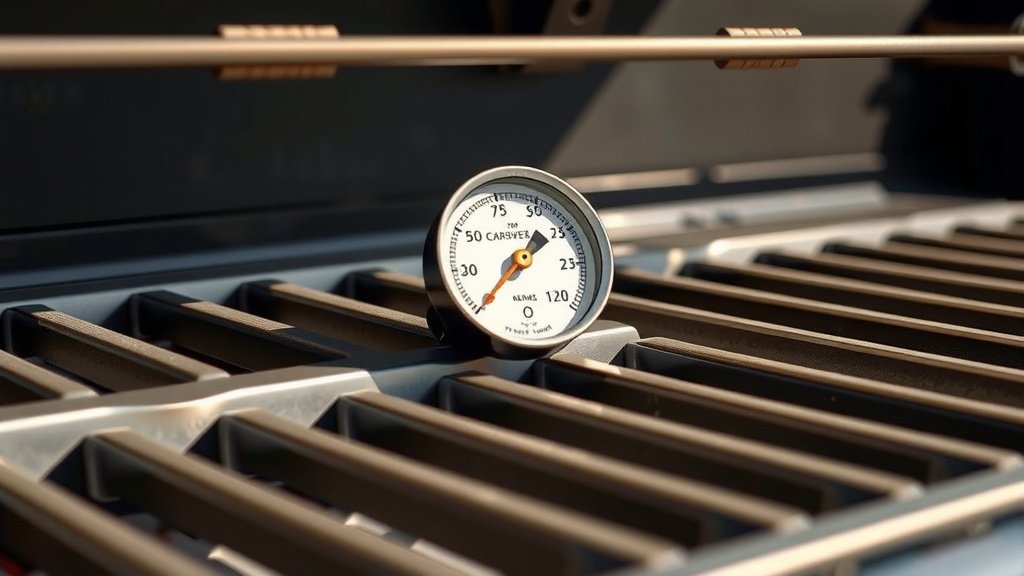
Many gas grills come with a thermometer built into the lid. While these are convenient, remember they measure the air temperature inside the lid, not necessarily the exact grate temperature. Use it as a guide, but also consider the hand test or even a separate instant-read thermometer for grate temperature for truly precise cooking.
Common Gas Grill Heating Issues
Sometimes, your grill just won’t get hot enough, no matter how long you wait. Don’t worry, there are usually simple solutions.
Burner Problems
Are your flames low and yellow instead of strong and blue? Your burner ports might be clogged with grease or rust. A quick clean with a wire brush or a toothpick can often resolve this. We’ve seen many instances where burner maintenance vastly improved heating.
Regulator Issues
The regulator is that part connecting your gas tank to the grill. If it’s malfunctioning, it might restrict gas flow, leading to low heat. Sometimes, simply resetting it by disconnecting and reconnecting the tank, or even replacing it, can solve the problem. Many experts suggest this as a first troubleshooting step.
Preheating Checklist for Success
Before you even light up, run through this quick checklist:
- Is your gas tank sufficiently full?
- Are the grates brushed clean of debris?
- Are burner ports clear and free from clogs?
- Will you preheat with the lid closed?
- Is it a windy or cold day (plan for extra time)?
Conclusion
So, how long does it take gas grill to heat up? Most of the time, 10 to 15 minutes is your sweet spot for high heat. Understanding the variables like weather, grill size, and maintenance helps you be a smarter griller. By following these simple steps, you can ensure your grill is always perfectly preheated, ready to deliver those delicious, memorable meals. Happy grilling!
Frequently Asked Questions About Gas Grill Heat-Up Times
Why is my gas grill not getting hot enough even after 15 minutes?
If your grill isn’t reaching temperature, check your propane tank level, ensure burner ports are clean, and inspect the regulator for issues. Clogged burners or a faulty regulator are common culprits that restrict gas flow and heat production.
Does the type of food I’m cooking affect how long I should preheat?
Yes, indirectly. While the grill still needs to reach temperature, delicate foods like fish might require slightly lower heat, meaning you don’t need to push the grill to its absolute maximum for as long. For searing steaks, a longer, hotter preheat is ideal.
Can preheating for too long damage my gas grill?
Preheating for an extended period typically won’t damage your grill, especially if it’s well-maintained. However, it does waste propane. Once your grill reaches the desired temperature and you see the grates glowing slightly, it’s ready; additional time won’t usually improve performance.
Is it better to preheat a gas grill with all burners on high?
For most initial preheating, running all burners on high with the lid closed is the most efficient way to bring the entire grill, including the grates, up to temperature quickly and evenly. For more on grill heat diffuser plate, see the dedicated guide. Once hot, you can adjust burners for zone cooking or lower temperatures.
How do I know my grill grates are truly hot enough for cooking?
The best way to tell is by observing. Hot grates will often show a slight shimmer or even glow. You can also use the hand test (holding your hand 5 inches above for a few seconds) or a dedicated instant-read thermometer for the grates to confirm the surface temperature.