
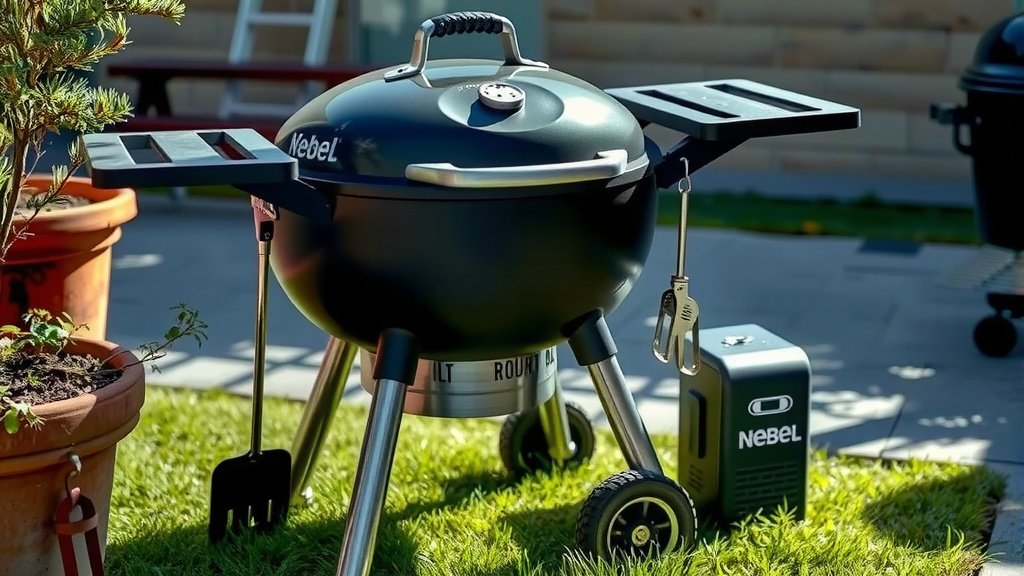
To clean a Weber charcoal grill effectively, begin by brushing the cooking grates while they are still warm to remove charred food bits. Then, after the grill cools completely, empty the ash catcher and deep clean the bowl, lid, and exterior surfaces using appropriate tools and solutions.
A consistent cleaning routine for your Weber charcoal grill ensures delicious food and extends its lifespan significantly. Ignoring grime leads to uneven cooking, rust, and can even affect food safety over time.
- Quick Grate Clean: Brush grates while warm after each use.
- Ash Removal: Empty the ash catcher once the grill is cool.
- Deep Clean: Periodically wash grates, bowl, and lid with soapy water.
- Exterior Care: Wipe down the outside to prevent rust and maintain appearance.
- Preventive Measures: Use a grill cover to protect from elements.
How Do You Clean A Weber Charcoal Grill?
Cleaning your Weber charcoal grill is a straightforward process that keeps your cooking experience enjoyable and your grill working well. It involves both a quick wipe-down after each use and a more thorough deep clean periodically.
Why Regular Cleaning Matters
Think of your grill like your favorite cast iron pan; it needs care. Regular cleaning prevents food particles from building up, which can cause flare-ups and impart unwanted flavors to your next meal. Cleanliness ensures consistent cooking and a much longer life for your trusted grill.
Many grilling experts say that a well-maintained grill performs better and is safer to use. Old grease and ash can become fire hazards or lead to components wearing out faster. We’ve found that consistent care keeps your grill ready for action.
Gathering Your Essential Cleaning Tools
Before you begin, gather a few basic items. You’ll need a good grill brush, some dish soap, warm water, and a few rags or sponges. For tougher jobs, a scraper or a plastic putty knife can be handy. Always have appropriate safety gear, like gloves, available.
What about specialized cleaners? While there are many on the market, we found that simple dish soap often works wonders for most grill parts. However, some people prefer specific grill degreasers for really stubborn spots.
Your Post-Cook Cleaning Ritual
A little effort after each grilling session goes a long way. This quick routine prevents small messes from turning into big, sticky problems later. It’s like rinsing your dishes right after dinner.
Quick Grate Cleaning While Warm
This is your first line of defense against stuck-on food. After you finish cooking and the grill is still warm (but not scorching hot), grab your grill brush. A quick scrub will remove most of the food residue. It’s much easier to clean hot grates than cold ones.
Many experts suggest using a stiff-bristled wire brush, or a brush with stainless steel bristles, for the best results. You just need to brush vigorously until the grates look clean and ready for your next culinary adventure.
Emptying the Ash Safely
Once your grill has completely cooled down, it’s time to deal with the ash. Never empty hot ash; it’s a serious fire risk. Ensure all embers are out, and the ash is cool to the touch before proceeding. Safety first, always.
Most Weber charcoal grills have a convenient ash catcher. Simply detach it, dump the ash into a non-combustible container, and replace it. Regularly emptying ash helps maintain airflow and prevents buildup, which could affect your grill’s performance (Weber’s own care guides recommend this).
Deep Cleaning Your Weber Grill Components
Beyond the quick clean, your Weber charcoal grill deserves a thorough wash a few times a season, or at least monthly if you grill frequently. This tackles hidden grime and maintains overall hygiene.
Tackling Grill Grates: Soaking and Scrubbing
For a deep clean, remove your cooking grates entirely. You can soak them in warm, soapy water for about 15-30 minutes. This helps loosen any baked-on grease and food bits. Soaking makes scrubbing much easier.
After soaking, use a heavy-duty scrub brush or a scouring pad to clean each grate thoroughly. Rinse them well with clean water and let them air dry completely before placing them back on the grill. This prevents rust.
Washing the Grill Bowl and Lid
The interior of your grill bowl and lid can accumulate grease and carbon residue. Use warm, soapy water and a sponge or soft brush to scrub these surfaces. Pay attention to the inside of the lid, where smoke often builds up a residue. A good scrub reveals the shine.
For very stubborn spots, a non-abrasive degreaser can be applied, but always follow product instructions carefully. Rinse these areas thoroughly with clean water, wiping away all soap residue. Make sure everything is dry before reassembly.
Exterior Wipe-Down Tips
Don’t forget the outside! A simple wipe-down with a damp cloth and mild dish soap can keep your grill looking new. This prevents rust and corrosion, especially if your grill is exposed to the elements. A clean exterior just looks better.
For stainless steel parts, a dedicated stainless steel cleaner can restore their luster. Always wipe in the direction of the grain to avoid streaks. Many experts say this small step adds years to your grill’s appearance.
Caring for the Ash Catcher and Vents
The ash catcher deserves a good wash too. Remove it and wash it with warm, soapy water, just like the grates. Make sure it’s completely dry before putting it back. We found that a clean ash catcher prevents smells and keeps things tidy.
Also, check your grill’s vents (top and bottom). Ensure they are free of ash and debris, allowing for proper airflow and temperature control. You can use a small brush or even a toothpick to clear any blockages. Clear vents mean better cooking control.
Maintenance for a Longer Lasting Grill
Preventative steps are just as important as cleaning. A well-maintained grill is a happy grill, ready for any spontaneous BBQ. Think of it as investing in future delicious meals.
| Component | Cleaning Frequency | Method |
|---|---|---|
| Cooking Grates | After every use (quick) | Brush while warm |
| Ash Catcher | After every use (empty) | Wash monthly (deep clean) |
| Grill Bowl & Lid Interior | Monthly or seasonally (deep clean) | Warm soapy water, scrub |
| Grill Exterior | Weekly (wipe-down) | Damp cloth, mild soap |
| Vents | Check with ash emptying | Clear any debris |
The Simple Power of a Grill Cover
Perhaps the easiest maintenance tip is using a grill cover. A quality cover protects your grill from rain, snow, dust, and UV rays. This prevents rust, keeps the exterior looking good, and minimizes overall wear and tear. A cover is your grill’s best friend.
Even if you store your grill under an awning, a cover adds an extra layer of protection. Many guidelines point to keeping outdoor appliances covered to extend their lifespan, especially when not in use (Consumer Reports often highlights this).
- Checklist for a sparkling grill:
- Grill brush is clean and ready.
- Dish soap and water are handy.
- Ash is cool and safely disposed of.
- Grates are brushed or soaked.
- Bowl and lid are wiped down.
- Vents are clear of any blockages.
- Grill cover is placed back on.
Conclusion
Cleaning your Weber charcoal grill might seem like a chore, but it’s a vital part of owning one. By following a simple routine of cleaning grates after each use and performing a deeper clean periodically, you ensure your grill remains a reliable partner for countless delicious cookouts. A clean grill isn’t just about looks; it’s about performance, safety, and extending the joy of grilling for years to come. Take pride in your Weber, and it will serve you well.
How often should I deep clean my Weber charcoal grill?
For most users, deep cleaning your Weber charcoal grill about once a month during peak grilling season, or at least every few uses, is a good practice. If you grill very frequently or cook greasy foods, you might want to deep clean it more often.
Can I use oven cleaner on my Weber charcoal grill grates?
While oven cleaner can be effective on tough grease, it is generally not recommended for grill grates, especially if they are porcelain-enameled. The harsh chemicals can damage the finish and may leave residues that are unsafe for cooking. Stick to warm soapy water and a good scrub.
What’s the best way to remove rust spots from my charcoal grill?
For light rust spots, you can often remove them with a wire brush and a paste made from baking soda and water. For more stubborn rust, some experts suggest using fine-grit sandpaper or steel wool carefully, followed by seasoning the grates with cooking oil to prevent future rust. Prevention with a grill cover is always best.
Is it okay to leave ash in the ash catcher between grilling sessions?
It’s best to empty the ash catcher after every single grilling session once the ash has completely cooled. Leaving ash in the catcher can restrict airflow, making it harder to control your grill’s temperature during future cooks. It also contributes to rust if moisture gets in.
How do I prevent food from sticking to my grill grates after cleaning?
To prevent food from sticking, make sure your grates are clean, dry, and properly oiled before you start cooking. Apply a thin layer of high-smoke-point cooking oil (like canola or grapeseed oil) to the grates using a paper towel after cleaning and before preheating. This creates a non-stick surface.
