
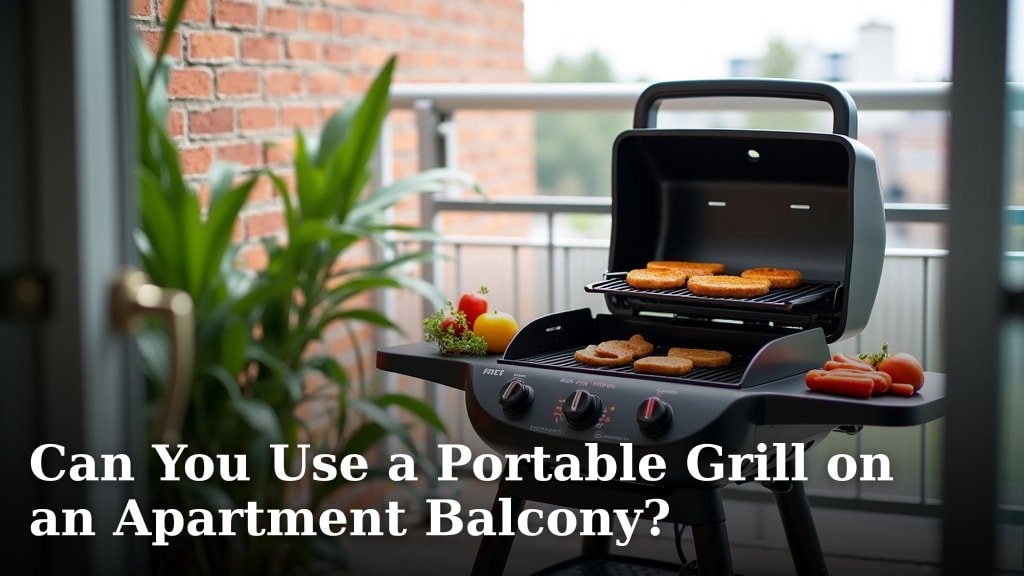
Yes, you can often use a portable grill on an apartment balcony, but it really depends on your building’s specific rules and fire safety codes. Many apartments have restrictions on open flames due to fire hazards and insurance policies. Always check with your landlord or building management first to avoid violations.
The type of grill you choose is also important. Electric grills are generally more accepted than charcoal or propane grills. Understanding the different grill types and their safety requirements is key. You’ll want to make sure your balcony can safely support the heat and ventilation needed for grilling.
- Always check your apartment building’s lease and local fire codes.
- Electric grills are often the safest and most permitted option for balconies.
- Propane and charcoal grills may be prohibited due to fire risk.
- Ensure good ventilation and never leave a grill unattended.
- Keep a fire extinguisher handy for safety.
Let’s break down exactly what you need to consider before firing up that grill on your apartment balcony.
Grilling on Your Apartment Balcony: What You Need to Know
You’re dreaming of juicy burgers and smoky corn on the cob. But can you actually bring your grill onto your apartment balcony? The short answer is: it depends, and you need to be careful.
Many apartment dwellers wonder if they can enjoy grilling without leaving their building. It’s a common question, and the rules can be tricky. Let’s break down what you need to consider before you light up.
Checking Your Building’s Rules and Local Laws
Your building’s lease agreement is the first place you should look. It will likely have specific clauses about using grills. Don’t assume anything; always read this carefully. If it’s not clear, ask your landlord or property manager directly. They are the best source for your building’s specific policies.
Beyond your lease, local fire codes are also very important. Many cities and towns have ordinances about open flames in multi-unit dwellings. These rules are designed for your safety and the safety of your neighbors. They often dictate where grills can be used, what types are allowed, and what safety measures are required.
Understanding Fire Safety Regulations
Fire safety is the number one reason for restrictions. Grills, especially charcoal and propane ones, produce open flames and heat. These can be a serious fire hazard in a densely populated area like an apartment complex. You don’t want to risk damaging your property or, worse, anyone’s safety.
The National Fire Protection Association (NFPA) provides guidelines that many local fire departments follow. They strongly advise against using grills on balconies, decks, or patios of apartment buildings. This is because there’s a risk of fire spreading quickly to the building structure or other units (NFPA).
What Your Lease Might Say
Your lease is a legally binding document. It outlines your rights and responsibilities as a tenant. When it comes to grilling, it might outright ban it, allow it with specific conditions, or remain silent. If it’s silent, assume the worst and check with management.
Some leases may allow certain types of grills. Others might require you to keep grills a certain distance from walls or railings. They might also specify that grills must be stored properly when not in use. Always get any permissions in writing to avoid misunderstandings later.
Types of Grills and Their Suitability for Balconies
Not all grills are created equal when it comes to balcony use. Some are much safer and more likely to be permitted than others. Understanding the differences will help you make the right choice.
Electric Grills: The Balcony-Friendly Option
Electric grills are generally the most accepted type for apartment balconies. Why? Because they don’t use open flames or produce combustible gases like propane or charcoal. They work by heating up electric elements, similar to an oven or stovetop.
Many apartment buildings that allow grilling will specifically permit electric models. They pose a much lower fire risk. You just need a safe outdoor electrical outlet. Be sure the cord is not a tripping hazard and is protected from the elements.
Propane Grills: Often Prohibited
Portable propane grills are popular for their quick heating and flavor. However, they come with risks. They use a flammable gas that can leak. The open flame is also a direct fire hazard.
Because of these risks, most apartment buildings and fire codes prohibit propane grills on balconies. Even small portable ones can be a problem. If your lease or building rules mention propane, assume it’s a no-go unless you have explicit written permission.
Charcoal Grills: Generally Not Recommended
Charcoal grills produce extremely high heat and embers. These can easily start a fire if they fall onto combustible materials. The smoke can also be a nuisance and a safety concern for neighbors.
Many experts and building managers strongly discourage or forbid charcoal grills on balconies. The risk of stray embers, intense heat, and potential for large fires makes them unsuitable for most apartment settings. Think of it this way: would you light a campfire on your balcony? A charcoal grill is not far off in terms of risk.
Pellet Grills: Similar Concerns to Propane/Charcoal
While pellet grills offer great flavor, they also use heat and can produce smoke. They often have a hopper that feeds wood pellets into a fire pot. This still involves a controlled burn, and the risks are similar to propane or charcoal, albeit sometimes less intense.
It’s unlikely that pellet grills would be permitted on apartment balconies unless your building has very specific allowances. It’s best to steer clear of these for balcony use.
Safety First: Essential Precautions for Balcony Grilling
If you are fortunate enough to have permission to grill on your balcony, safety must be your top priority. A few simple steps can prevent accidents and ensure you can continue enjoying your grilling hobby.
Choosing the Right Location on Your Balcony
Even with an approved grill, placement matters. Keep your grill on a stable, level surface. Ensure it’s not too close to walls, railings, overhangs, or anything flammable. We’re talking about at least three feet of clearance on all sides, according to general fire safety recommendations. General fire safety recommendations suggest keeping grills at least three feet of clearance from walls or railings.
Make sure the grill is not directly under any awnings or structures that could catch fire. Also, consider wind conditions. If it’s very windy, it might be too dangerous to grill.
Ventilation is Key
Good ventilation is crucial, especially if you’re using a propane grill (if permitted) or if your balcony is enclosed. You need fresh air to circulate. This helps dissipate heat and any potential fumes.
Never grill in an enclosed space like a sunroom attached to your balcony. Also, be mindful of your neighbors. Excessive smoke can be a major annoyance and might lead to complaints, even if you’re following the rules.
Always Have a Fire Extinguisher Nearby
This is non-negotiable. You should always have a fire extinguisher rated for grease fires (Class K or Class B) readily accessible when grilling. Make sure you know how to use it before you need it.
Many fire departments recommend keeping a bucket of water or sand nearby as well, though a proper extinguisher is your best bet. This is a basic safety measure that can save your home and lives.
Never Leave Your Grill Unattended
This is another critical rule. When the grill is on, or still cooling down, you must supervise it. A lapse in attention can quickly turn a minor situation into a major disaster.
Step away for even a minute to grab something, and a gust of wind could blow embers or cause a flare-up. It’s simple: if you’re grilling, you are present and attentive to the grill.
Keep Grills Clean and Maintained
A clean grill is a safer grill. Grease buildup can cause flare-ups and increase the risk of fire. Regularly clean the grates, drip pan, and the body of your grill according to the manufacturer’s instructions.
Inspect your grill before each use. Check hoses for cracks on propane models. Ensure all parts are securely attached. Proper maintenance prevents many common grilling mishaps.
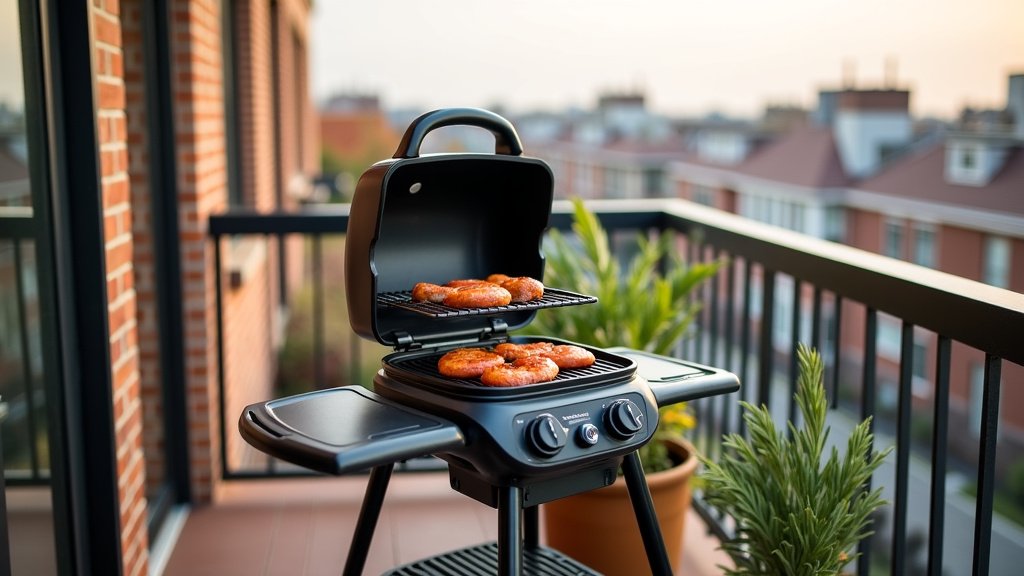
Portable Grills: A Quick Comparison for Balconies
Here’s a simple way to look at the common portable grill types and how they stack up for apartment balcony use. Remember, even with electric, you still need to check your building’s rules!
| Grill Type | Flame Type | Balcony Suitability | Key Considerations |
|---|---|---|---|
| Electric | None | High | Requires electrical outlet; generally safest. |
| Propane (Portable) | Open Flame | Low | Flammable gas; high fire risk; often prohibited. |
| Charcoal (Portable) | Open Flame/Embers | Very Low | Extreme heat, embers; highest fire risk; usually forbidden. |
Final Checklist Before You Grill
Before you even think about firing up, run through this quick checklist. It’s designed to help you stay safe and compliant.
- Read your lease agreement thoroughly.
- Confirm local fire codes and building rules.
- Get written permission if needed.
- Choose an electric grill if possible.
- Ensure adequate space and ventilation.
- Keep a fire extinguisher handy.
Conclusion
So, can you grill on your apartment balcony? The answer is a definite “maybe,” with a strong emphasis on checking the rules first. We’ve found that electric grills are your safest bet, often being the only type permitted. Always, always verify your lease and local fire codes before buying or using any grill. Your landlord or property manager is your best friend in this process. Prioritizing safety with proper placement, ventilation, and having a fire extinguisher ready means you can enjoy your balcony cooking responsibly. Make sure you get written permission and prioritize safety.
Frequently Asked Questions
What is the biggest risk of using a grill on an apartment balcony?
The biggest risk is fire. Open flames, even from portable grills, can quickly spread to your building or nearby units. This can cause extensive damage and put lives in danger. It’s why many buildings have strict rules against them.
Can I use my small portable propane grill if my lease doesn’t mention anything about grills?
Even if your lease is silent, it’s not a green light. Many cities have local fire codes that prohibit propane grills on apartment balconies due to fire risk. You should still contact your landlord or building management for clarification and written permission.
How far away should a grill be from the apartment building structure?
General fire safety recommendations suggest keeping grills at least three feet away from any part of the building, including walls, railings, and overhangs. Ensure there’s nothing flammable nearby that could catch fire from heat or stray sparks.
What should I do if my landlord says no to grilling on the balcony?
If grilling on your balcony is prohibited, unfortunately, you’ll need to respect that decision to avoid lease violations or fines. You could explore community grills in your apartment complex if available, or consider tabletop grills for indoor use where permitted.
Is there a specific type of fire extinguisher recommended for balcony grilling accidents?
Yes, it’s best to have a fire extinguisher rated for grease fires, typically Class K or Class B. These are effective at putting out the type of flames you might encounter with grilling accidents. Make sure you know how to operate it.
