
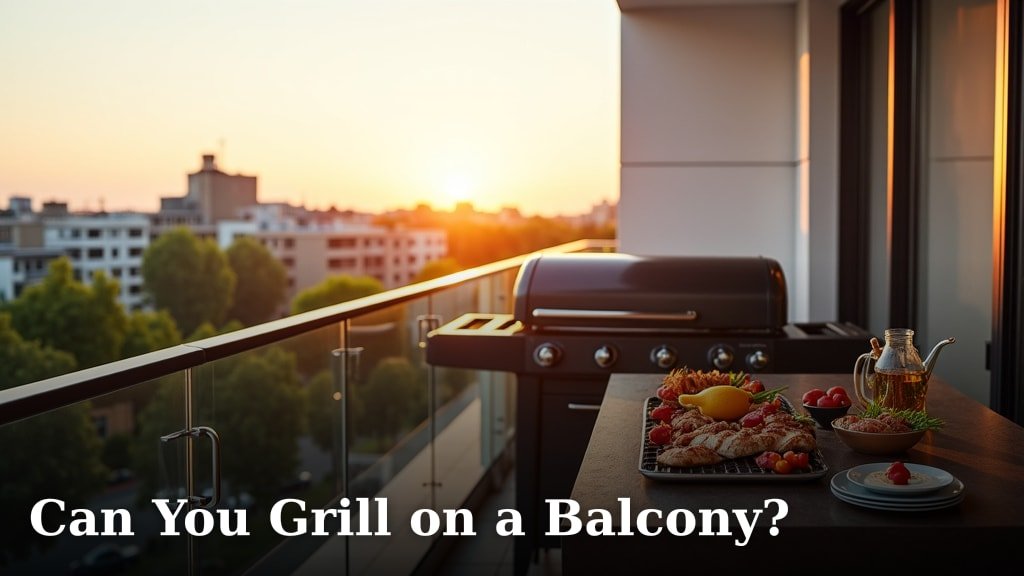
Yes, you absolutely can grill on a balcony, but you need to be mindful of safety rules, local regulations, and the type of grill you use. Most apartment complexes and cities have specific rules about outdoor cooking.
You probably dream of sizzling burgers or perfectly grilled vegetables while enjoying the fresh air. We found that many residents face similar questions about balcony grilling laws and safe practices. It’s important to understand your options and responsibilities.
- Check your lease agreement and local fire codes first.
- Electric grills are often the safest and most permitted option.
- Propane and charcoal grills usually have restrictions or outright bans. Understanding the differences between a gas grill or charcoal grill can help you make an informed decision for your outdoor cooking needs.
- Always prioritize fire safety and ventilation.
- Consider your neighbors and potential smoke or odors.
So, let’s explore everything you need to know to grill safely and legally on your balcony, keeping your home and neighbors happy.
Unpacking Balcony Grilling Rules and Regulations
Grilling on your balcony can be a fantastic way to enjoy outdoor cooking. However, it’s not always straightforward. You need to understand the rules that govern your living situation.
We found that local ordinances and building management policies are the two biggest factors. These rules exist to keep everyone safe.
Understanding Local Fire Codes and Ordinances
Every city and county has its own set of rules regarding outdoor cooking. These are often called fire codes or ordinances. They’re designed to prevent fires and ensure public safety.
Many municipalities have specific bans on certain types of grills in multi-family dwellings. This means your apartment or condo might be subject to these rules.
We found that charcoal and propane grills are frequently restricted. This is due to the open flame and fuel storage risks.
Checking Your City’s Regulations
How do you find your city’s rules? A quick online search for “[Your City] + balcony grilling laws” is a good start. You can also check your city’s fire department website.
Don’t be afraid to call the non-emergency line of your local fire department. They can provide clear information. It’s better to ask than to assume.
Navigating Your Lease Agreement and HOA Rules
Beyond city laws, your landlord or Homeowners Association (HOA) can add more restrictions. These are often stricter than local ordinances.
Your lease agreement is the first place to look. It should clearly state what’s allowed and what’s not. Read the fine print carefully.
HOA rules are usually found in your community’s bylaws or declaration. These documents outline acceptable behavior and activities, including grilling.
Why Do Landlords and HOAs Have These Rules?
Landlords and HOAs have a responsibility to keep residents safe. They also want to protect their property. Fire hazards are a major concern.
Smoke and odors can also be disruptive to other residents. Rules help maintain peace and comfort for everyone.
Choosing the Right Grill for Your Balcony
Not all grills are created equal, especially when it comes to balcony use. The type of grill you choose is key to safe and legal grilling.
We’ve explored the most common types to help you make an informed decision. Safety and compliance are top priorities.
Electric Grills: The Safest and Most Permitted Option
Electric grills are typically the safest choice for balconies. They don’t use open flames or combustible fuels. This greatly reduces fire risk.
Many apartment complexes and HOAs permit electric grills when other types are banned. They plug into a standard outlet.
They heat up quickly and provide a consistent cooking temperature. Cleaning is also often simpler.
Consider features like a drip tray and a lid for best results. This helps manage grease and smoke.
Propane Grills: Often Restricted or Banned
Propane grills are popular for their convenience and heat. However, they pose a greater risk on balconies.
The main concern is the propane tank itself. Storing flammable gas on a balcony can be dangerous. Leaks or heat exposure can lead to serious incidents (National Fire Protection Association).
Many regulations limit the size of propane tanks allowed. Some ban them entirely. Always check your specific rules.
Charcoal Grills: High Fire Risk and Rarely Allowed
Charcoal grills are generally considered the highest risk for balcony use. They create open flames and embers.
The disposal of hot coals is also a challenge. Improper disposal can easily start a fire. Smoke and ash are also significant concerns for neighbors.
We found that charcoal grills are almost universally banned on balconies in multi-family housing. It’s best to avoid them for balcony grilling.
Pellet Grills: A Newer Option with Specific Considerations
Pellet grills use wood pellets as fuel. They produce less direct flame than charcoal but still involve combustion.
Their legality on balconies is less clear-cut than electric or propane. Some regulations might categorize them with other solid-fuel burning devices.
They can produce a good amount of smoke, which could bother neighbors. Check your local rules very carefully before considering a pellet grill.
Essential Safety Tips for Balcony Grilling
Even if your grill type is permitted, safety should always come first. A few precautions can prevent accidents and ensure a pleasant experience.
We’ve compiled essential tips to keep you, your home, and your neighbors safe. Grilling responsibly is key.
Clearance and Placement
Always place your grill on a flat, stable surface. Make sure it’s far away from walls, railings, and any flammable materials.
Maintain at least 10 feet of clearance from structures and overhangs (U.S. Fire Administration). This includes eaves and low ceilings.
Never place a hot grill directly under an awning or a combustible roof. This is a significant fire hazard.
Ventilation and Smoke Management
Good ventilation is crucial. Balconies can trap smoke, especially if they are enclosed. Smoke can enter your unit and your neighbors’.
Electric grills produce less smoke, which is a major advantage. If using other permitted grills, consider wind direction.
Try to grill when there’s a light breeze that carries smoke away. Be mindful of open windows in nearby units.
Fire Extinguisher Readiness
Always have a fire extinguisher or a bucket of sand nearby. Water can be dangerous for grease fires.
A small, accessible fire extinguisher rated for grease fires (Class K or BC) is ideal. Make sure you know how to use it.
In case of an emergency, call 911 immediately. Don’t hesitate if a fire gets out of control.
Supervision and Post-Grill Care
Never leave a lit grill unattended. Fires can start quickly. Stay with your grill until it’s completely off and cool.
After grilling, ensure all heat sources are extinguished. For electric grills, unplug them. Let everything cool down completely before covering or storing.
Properly dispose of any grease or food residue. This prevents attracting pests and reduces fire risk.
Consideration for Neighbors and Property
Being a good neighbor is important, especially when grilling on a balcony. Your activities can impact others.
Thinking about noise, smoke, and odors will help maintain harmony. Respect for shared living spaces is crucial.
Minimizing Smoke and Odor
Excessive smoke and strong odors can be a major source of complaint. This is particularly true for apartment living.
Choose foods that produce less smoke. Lean meats and vegetables are often better choices than fatty cuts.
Grill during off-peak hours if possible. This might mean avoiding peak dinner times when many windows are open.
Noise Levels and Etiquette
While grilling itself isn’t usually noisy, cooking often comes with conversation and music. Be mindful of volume, especially in the evenings.
Avoid excessive clanging of utensils or loud laughter. Think about the quiet enjoyment of your neighbors.
A little consideration goes a long way in building good neighborly relations. A friendly wave can diffuse many minor issues.
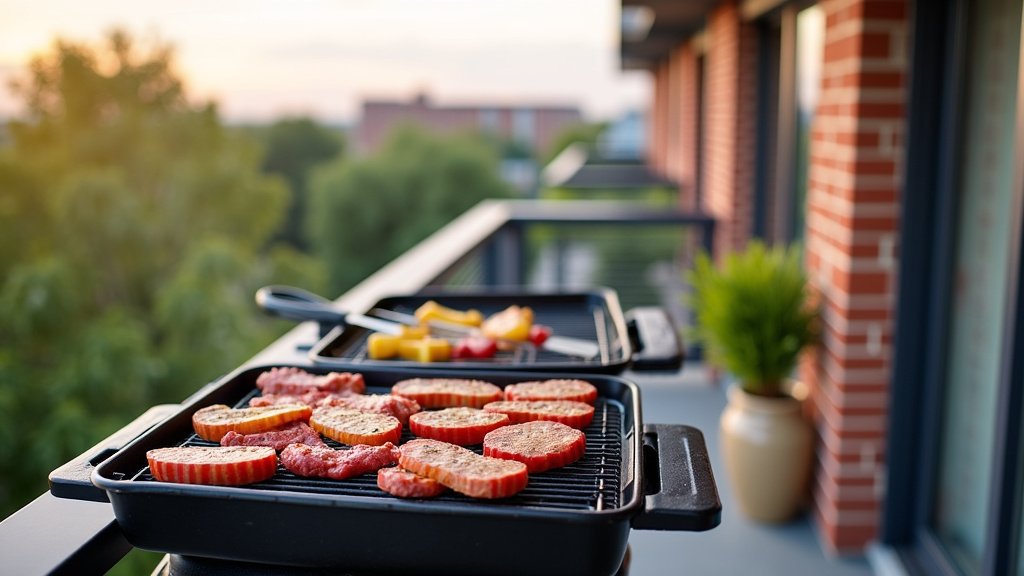
Your Balcony Grilling Checklist
Ready to grill? Use this quick checklist to ensure you’ve covered all your bases. It’s your guide to a safe and enjoyable experience.
-
Check Local Fire Codes and Ordinances: Are specific grill types permitted in your city?
-
Review Your Lease/HOA Rules: Do they have stricter rules than the city? Get it in writing if unsure.
-
Choose the Right Grill: Is your grill type allowed? Electric is usually the safest bet.
-
Ensure Proper Clearance: Is your grill at least 10 feet from walls and anything flammable?
-
Have a Fire Safety Plan: Is a working fire extinguisher or sand bucket readily available?
-
Mind Your Neighbors: Will smoke or noise affect them? Plan accordingly.
Comparing Grill Types for Balcony Use
To help you visualize the differences, here’s a quick comparison of common grill types. This table highlights key factors for balcony dwellers.
It’s important to remember that local rules always take precedence, even if a grill type generally seems suitable.
| Grill Type | Typical Balcony Permissibility | Fire Risk Level | Smoke/Odor Output | Fuel Type |
|---|---|---|---|---|
| Electric | High (Most often allowed) | Low | Very Low | Electricity |
| Propane | Medium (Often restricted/banned) | Medium to High | Low to Medium | Propane Tank |
| Charcoal | Low (Almost always banned) | High | High | Charcoal Briquettes/Lump |
| Pellet | Medium (Varies by local/HOA rules) | Medium | Medium to High | Wood Pellets |
Conclusion
Grilling on your balcony is absolutely possible, but it requires careful attention to rules and safety. Always start by checking your lease, HOA guidelines, and local fire codes. We found that electric grills are usually your safest and most permitted option.
Prioritize clearance, ventilation, and always have fire safety tools handy. Being considerate of your neighbors’ comfort with smoke and noise will ensure a peaceful experience for everyone. Take these steps, and you can enjoy delicious meals right on your balcony.
Frequently Asked Questions
What is the main reason grills are banned on balconies?
The primary reason for bans is fire safety. Open flames, hot coals, and the storage of flammable fuels like propane tanks pose significant risks in close proximity to buildings and other residents. Regulations aim to prevent accidental fires and ensure public safety.
Can I use a small, portable grill on my balcony if it’s electric?
Generally, yes, a small electric grill is often permitted, even if other grill types are banned. Electric models don’t use open flames or combustible fuels, making them a much safer choice for balconies. Always confirm with your building management or HOA first, however.
What should I do if my neighbor is grilling on their balcony and it’s bothering me?
First, try a polite, neighborly conversation if you feel comfortable. If that doesn’t resolve the issue, or if you suspect they are violating rules, contact your building management or HOA. They can address the situation according to community policies.
Are there any balcony grilling accessories that can improve safety?
Yes, consider a fireproof mat to place under your grill to protect the balcony surface. A grill cover helps keep your grill clean and protected when not in use. Always have a small, easily accessible fire extinguisher specifically rated for grease fires (Class K or BC).
Can I get in trouble for grilling on my balcony if it’s against the rules?
Absolutely. Violating your lease agreement or HOA rules can lead to fines, eviction, or other penalties. If your grilling causes a fire or property damage, you could face legal action. Always follow the rules to avoid serious consequences.
