Propane Smokers with Temperature Control: What to Look For
A propane smoker with temperature control should make heat easy to set and monitor. Check whether it regulates temperature automatically or only lets you adjust the burner by hand, then consider the gauge, fuel access and cooking space.
On this page (7 sections)
- What should you look for in a propane smoker with temperature control?
- How is thermostatic control different from manual burner adjustment?
- Which controls suit a manual or lower-adjustment routine?
- Which alternatives use digital temperature control?
- How much cooking space and access do you need?
- How can you compare propane smoker controls before buying?
- Which propane smoker temperature control should you choose?
A propane smoker with temperature control should make heat easy to set and monitor. Check whether it regulates temperature automatically or only lets you adjust the burner by hand, then weigh the gauge, fuel access and cooking space against how you plan to smoke.
A control knob alone doesn't tell you how the smoker manages heat. The key distinction is between a thermostat that regulates temperature and a burner control that changes the flame but leaves you to watch and adjust it.
This guide explains what to compare, including a dual-fuel propane option and two alternatives with different control systems. For a wood-fired alternative, compare custom offset smokers.
For a broader overview of cabinet styles and setups, start with our Best Vertical Smoker guide.
What should you look for in a propane smoker with temperature control?
Choose a smoker whose control type matches how much adjustment you want to do. A thermostat can regulate heat toward a set temperature, while manual burner adjustment requires you to monitor the chamber and make changes yourself.
Use this checklist to compare models:
| Feature | What to check | Why it matters |
|---|---|---|
| Heat control | Thermostat regulation or manual burner adjustment | Tells you whether the smoker works to maintain a setting or depends on your adjustments |
| Temperature reading | Built-in gauge, digital display or probe | Helps you monitor chamber or food temperature |
| Burner and ignition | Burner access and ignition method | Affects setup and relighting |
| Fuel arrangement | Propane only or another fuel option | Helps you plan for your preferred cooking setup |
| Cooking space | Rack count and stated area | Helps you judge how much food can fit |
| Chamber access | Door and handle design | Affects how you load food and check the chamber |
A gauge is a reading tool, not proof of automatic regulation. Likewise, a push-button igniter can simplify lighting without controlling the cooking temperature.
Compare the smoker's control description with its temperature indicator. If the product details mention a gauge and burner but no thermostat, treat it as a manually adjusted design unless the manufacturer confirms otherwise.
How is thermostatic control different from manual burner adjustment?
A thermostat regulates the heat toward a selected temperature, while a manual control changes the burner setting and leaves you responsible for monitoring the result. These are different functions, even when both designs have a knob.
With thermostatic regulation, the control responds to temperature changes in the cooking chamber. That can reduce how often you need to adjust the burner, though the actual temperature can still vary with conditions and setup.
With manual burner adjustment, you set the flame and use a gauge or separate thermometer to decide whether to change it. Expect to check the smoker as it warms and during a long cook.
Don't infer thermostatic control from words such as “temperature control” alone. Look for clear language about a thermostat or automatic regulation, and distinguish that from a built-in temperature gauge.
Does a propane smoker temperature gauge control the heat?
No. A temperature gauge shows a reading; it doesn't control the burner.
On the Masterbuilt dual-fuel smoker below, the described feature is a built-in gauge, while the burner is stainless steel and ignition is push-button.
That makes the gauge useful as a reference, but it shouldn't be mistaken for a thermostat. If you want automatic regulation, confirm that the specific smoker has it before buying.
A second thermometer placed near the food can give you another reading point. The chamber gauge and food temperature answer different questions, so use the one that matches what you need to monitor.
Which controls suit a manual or lower-adjustment routine?
Choose manual adjustment if you don't mind checking the gauge and changing the burner as needed. If you want the smoker to manage heat around a setting, prioritize clear evidence of thermostatic regulation.
A propane smoker can make sense if you want a gas burner and are comfortable monitoring it. The Masterbuilt 30-Inch Dual Fuel Propane & Charcoal includes a stainless steel burner, push-button ignition and built-in temperature gauge; its described controls do not include thermostat regulation.
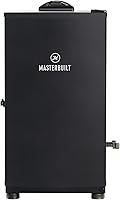
For a lower-adjustment routine without propane, this Masterbuilt electric smoker has thermostat-temperature control, and its digital panel controls temperature and time. It's a different fuel setup, so it suits readers open to a corded electric smoker.
If you want to compare cabinet shape and access before deciding, see our Best Vertical Smoker For Seniors guide. It can help you think through loading and handling alongside temperature controls.
Which alternatives use digital temperature control?
Electric and pellet smokers can offer temperature management without a propane burner, but they use different fuels and setups. Compare their controls with the propane smoker's burner and gauge rather than treating them as direct fuel equivalents.
The Masterbuilt electric smoker has a digital panel for cooking temperature and time, plus thermostat-temperature control. For app-connected options, compare Wi-Fi electric smokers.
Its corded electric power source means you'll need a suitable outlet where you plan to cook.
The Traeger Pro 22 is a pellet grill and smoker with a Digital Pro Controller. Traeger describes its temperature control as holding within ±15°F over a stated 180°F to 450°F range, and the model uses corded electric power.
These two alternatives show why control type and fuel should be considered separately. One uses wood pellets with an electric controller, and the other uses wood chips with electric heat and thermostat control.
For a propane-specific comparison, our Best Vertical Propane Smokers guide focuses on that fuel and cabinet style. Readers considering a different fuel can also compare How to Control Temperature on a Pellet Grill? and How to Control Temperature on a Charcoal Grill?.
How much cooking space and access do you need?
Choose rack space around the food you usually cook, and check that the layout suits the way you load it. Rack count and stated cooking area help with comparison, but they don't tell you the exact fit of every cut or pan.
The Masterbuilt dual-fuel smoker has four chrome smoking racks and 717 square inches of cooking space in its feature description. Its vertical cabinet, locking door and cool-touch wire handle are details to consider when you plan access.
The Masterbuilt electric smoker has four chrome-coated racks and 710 cooking square inches. Its side wood-chip loader lets you add chips without opening the smoker door, which can be useful when you want to access the chip supply separately from the food chamber.
Before buying, consider where the smoker will sit and how you'll reach the controls, door and fuel. If your available space is a balcony, our Best Vertical Smoker For Balconies guide covers that placement question.
How can you compare propane smoker controls before buying?
Compare the control mechanism, temperature reading and fuel setup as separate items. That keeps a gauge or ignition feature from being confused with automatic temperature regulation.
- Look for explicit wording about a thermostat or automatic heat regulation.
- If the smoker has a burner dial and gauge, plan to monitor and adjust the heat yourself unless the manufacturer confirms otherwise.
- Check whether the temperature indicator reads chamber heat, food temperature or both.
- Compare the ignition method and burner details for setup.
- Confirm the fuel arrangement fits your routine and cooking location.
- Match rack count and stated cooking space to your usual food.
For a propane model with a built-in gauge, decide whether manual checking fits the way you cook. If you want the smoker to regulate around a selected temperature, verify that it has a thermostat rather than relying on the word “control.”
Which propane smoker temperature control should you choose?
Choose thermostatic regulation if you want the smoker to manage heat around a setting, and choose manual burner adjustment if you prefer to monitor and make changes yourself. A built-in gauge helps you read chamber temperature, but it doesn't regulate heat.
The Masterbuilt dual-fuel model suits someone who wants propane with the option of charcoal and is comfortable checking its built-in gauge. Choose an electric or pellet alternative if its control system and fuel better match your setup.
For propane cabinet options, compare the Best Vertical Propane Smokers guide. If you want to understand the broader range of smoker layouts first, return to our Best Vertical Smoker guide.
Frequently asked questions
Do propane smokers control temperature automatically?
Some propane smokers regulate heat with a thermostat, while others rely on manual burner adjustment and a temperature gauge. Check the control description for automatic regulation instead of assuming that a dial or gauge holds a set temperature.
A separate probe can help you track cooking temperature during a session.
Is a built-in smoker gauge enough?
A built-in gauge gives you a quick reading, but it may not show the temperature at the food or across the full cooking chamber. Use it as a reference and consider a separate probe placed near the food.
Avoid opening the door often, since that releases heat.
What does thermostatic control mean on a smoker?
Thermostatic control uses a temperature setting to regulate heat automatically, rather than asking you to keep adjusting the burner by hand. It can make temperature management simpler, but the smoker's gauge and placement still matter.
Check what the control actually does before choosing.
Can an electric or pellet smoker be an alternative to propane?
Yes. An electric smoker can offer thermostat control without a propane burner, while a pellet grill uses an electric controller to manage heat from pellets.
These options use different fuels and setups, so compare their controls, power needs and cooking style with the propane models you are considering.