

The best fuel type for grilling really depends on what you’re after. For quick, high heat and that classic smoky flavor, charcoal often wins. If you prefer easier temperature control and cleaner burning, gas is usually the top choice for many home cooks. Both have their fans for good reason!
Choosing your grilling fuel means thinking about taste, convenience, and budget. Do you love the ritual of lighting charcoal and tending the coals? Or does the simplicity of turning a dial and instantly getting heat sound better? We found that understanding these differences helps you pick the perfect match for your backyard BBQs.
- Charcoal offers a classic smoky flavor and high heat.
- Gas grills provide excellent temperature control and convenience.
- Pellets offer unique smoky flavors with automated temperature management.
- Electric grills are the easiest to use and safest for balconies.
Let’s break down the pros and cons of each fuel type so you can decide which one is your grilling champion.
Choosing Your Perfect Grilling Fuel
Selecting the right fuel for your grill is like picking the right tool for a job. It can make all the difference. Many folks wonder about the best way to fire up their grill. We found that the answer isn’t one-size-fits-all. It truly depends on what you want from your grilling experience.
Are you aiming for that authentic smoky flavor? Do you need to cook for a crowd quickly? Or perhaps you just want to grill a burger with minimal fuss. We’ve looked at the main fuel types to help you decide. Let’s explore what makes each one tick.
The Case for Charcoal Grilling
Charcoal grilling is often seen as the traditionalist’s choice. It has a certain nostalgic appeal. There’s a ritual involved that many grill masters enjoy. Lighting charcoal and tending the coals can be part of the fun for some.
Flavor and Heat
The biggest draw for charcoal is the flavor. When charcoal burns, it produces smoke that infuses your food with a distinct taste. Many people describe it as a rich, smoky, authentic barbecue flavor. This is often hard to replicate with other fuel types.
Charcoal also gets very hot. This high heat is perfect for searing steaks and other meats. It creates a beautiful crust while keeping the inside juicy. You can achieve temperatures that are difficult for some gas grills to match.
The Charcoal Process Explained
Using charcoal involves a few more steps than gas. You’ll need charcoal briquettes or lump charcoal. Briquettes are uniform and burn evenly. Lump charcoal is made from charred wood and burns hotter and faster, offering a more intense smoky flavor.
Lighting charcoal usually requires a chimney starter or lighter fluid. A chimney starter is a metal cylinder that helps you light the charcoal efficiently. You pour the charcoal into the starter, light some paper underneath, and wait for the coals to ash over. This usually takes about 15-20 minutes. Lighter fluid can be used, but some find it imparts a chemical taste to the food. Many grilling enthusiasts prefer to avoid it.
Pros and Cons of Charcoal
- Pros: Superior smoky flavor, very high searing temperatures, relatively inexpensive fuel.
- Cons: Longer heat-up time, more difficult temperature control, messy cleanup, produces more ash.
Many experienced grillers find that the effort is well worth the flavor payoff. It’s a more hands-on approach to cooking outdoors.
The Convenience of Gas Grilling
Gas grills are the workhorses of backyard cooking for many. Their popularity stems from their ease of use and convenience. If you’re short on time or prefer a simpler grilling process, gas might be your best bet.
Instant Heat and Temperature Control
With a gas grill, you simply turn a knob and push an igniter. You get heat almost instantly, usually within 5-10 minutes. This is a huge advantage when you want to cook quickly. No waiting for coals to heat up!
Temperature control is another major plus. Most gas grills have multiple burners. You can adjust the heat level for each burner independently. This allows for great flexibility. You can create different heat zones on the grill. This is perfect for cooking different foods at once. You can sear something on high heat and cook vegetables on low heat simultaneously.
Types of Gas and Fueling
Most gas grills run on propane, stored in a portable tank. You’ll need to swap out or refill these tanks periodically. Some larger, built-in grills are connected directly to a natural gas line from your home. This eliminates the need for tank refills.
Propane is a clean-burning fuel. It produces less ash than charcoal. This makes cleanup much simpler. You just need to brush the grates. It doesn’t impart the same smoky flavor as charcoal naturally does. However, many gas grills offer smoker boxes. You can add wood chips to these boxes to create smoke and flavor. It doesn’t impart the same smoky flavor as charcoal naturally does, but you can add smoker boxes to achieve it.
Pros and Cons of Gas
- Pros: Quick to heat up, excellent temperature control, easy to clean, convenient.
- Cons: Less intense smoky flavor (without additions), can be more expensive upfront, propane tanks need refilling/swapping.
Gas grills are a great option for those who grill frequently and value simplicity. They offer a predictable and controllable cooking experience.
Exploring Pellet Grills
Pellet grills have gained a lot of attention in recent years. They offer a unique blend of convenience and flavor. They use small, compressed pellets made from wood.
How Pellet Grills Work
Pellet grills have an internal hopper that holds the wood pellets. An auger system moves the pellets from the hopper into a firepot. An electric igniter lights the pellets, and a fan circulates the heat and smoke. Many pellet grills are digitally controlled.
This digital control allows for precise temperature settings. You can set it to 225°F for smoking or 450°F for searing. The grill maintains the temperature automatically. This makes them incredibly easy to use for long, slow cooks like smoking briskets or pork shoulders.
Flavor Profile of Pellets
The wood pellets themselves determine the flavor. Common woods include hickory, mesquite, oak, and fruitwoods like apple and cherry. You can mix different pellets to create custom flavor profiles. This offers a fantastic way to experiment with smoky tastes.
Pellet grills provide more smoke flavor than most gas grills without added accessories. The smoke is consistent and well-managed. Many users find the flavor to be excellent for smoking and grilling.
Pros and Cons of Pellet Grills
- Pros: Excellent smoky flavor, precise temperature control, automated operation, versatile (smoking, grilling, baking).
- Cons: Require electricity to operate, can be more expensive, need to buy specific wood pellets, higher maintenance than gas.
Pellet grills are a fantastic choice if you love smoky flavors but want the ease of temperature control. They bridge the gap between charcoal and gas.
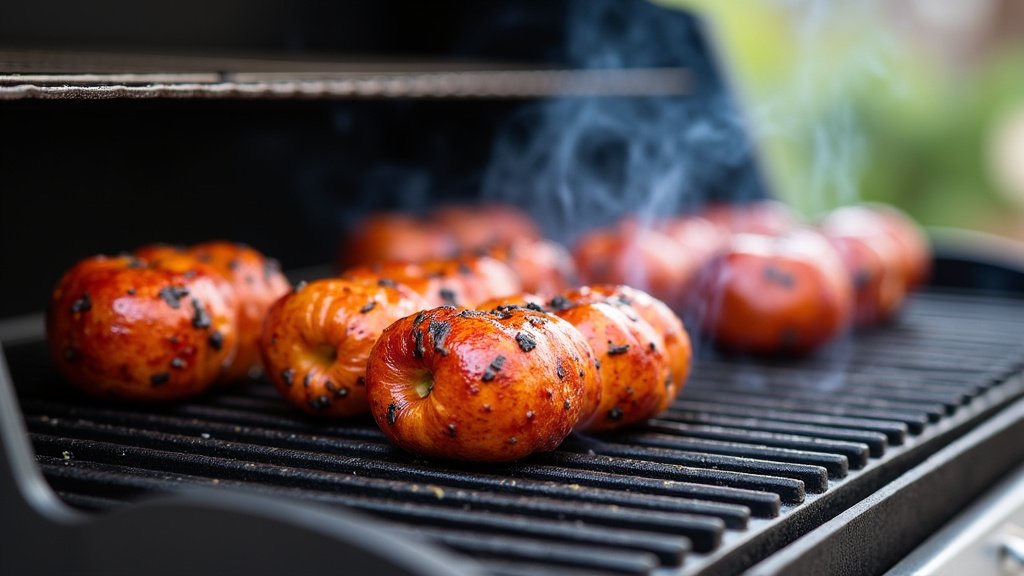
Electric Grills: The Simplicity Option
Electric grills are the simplest option available. They plug into a standard electrical outlet. This makes them incredibly easy to use and very safe for many situations.
Where and When to Use Them
Electric grills are often the only option for apartment dwellers with balconies. Many HOAs and building codes prohibit charcoal or gas grills due to fire safety concerns. Electric grills don’t produce open flames.
They are also great for tailgating or camping if you have access to electricity. Their portability and ease of setup are major advantages in these scenarios. They heat up relatively quickly, though not as fast as gas.
Flavor and Heat Considerations
The flavor from electric grills is generally the least pronounced. They don’t produce smoke naturally. You won’t get that deep, smoky char that charcoal provides. The heat output can also be less intense than charcoal or high-end gas grills.
However, they can still cook food well. You can grill burgers, hot dogs, chicken, and vegetables effectively. They are a good entry point for those new to grilling or who need a safe, convenient option. They are a good entry point for those new to grilling or who need a safe, convenient option, and our guide covers the best electric grills.
Pros and Cons of Electric Grills
- Pros: Extremely safe, easy to use, no open flames, great for balconies and apartments, quick cleanup.
- Cons: Limited smoky flavor, lower heat output compared to others, requires electricity, not ideal for large gatherings.
Electric grills are all about convenience and safety. They are perfect for specific situations where other grill types are not permitted or practical.
Making Your Final Fuel Choice: A Quick Checklist
So, which fuel type is truly the best for your grilling needs? We’ve laid out the options, and now it’s time to think about what matters most to you. Consider these points as you make your decision:
- Flavor Priority: Do you crave that authentic, deep smoky taste? (Charcoal or Pellet)
- Convenience Factor: How important is quick startup and easy cleanup? (Gas or Electric)
- Temperature Mastery: Do you need precise heat control for various cooking styles? (Gas or Pellet)
- Space Restrictions: Are you grilling on a balcony or in a restricted area? (Electric)
- Budget: What is your upfront cost for the grill and ongoing fuel expenses? (Various)
- The Grilling Ritual: Do you enjoy the hands-on process of managing fire? (Charcoal)
By thinking through these questions, you can steer yourself toward the fuel type that will bring you the most grilling joy. Each option has its strengths, and the “best” one is truly the one that fits your lifestyle and cooking preferences.
| Feature | Charcoal | Gas | Pellet | Electric |
|---|---|---|---|---|
| Flavor | Excellent smoky flavor | Mild (can add smoke) | Great smoky flavor | Minimal smoky flavor |
| Heat Up Time | Slow (15-20 min) | Fast (5-10 min) | Moderate (10-15 min) | Moderate (5-10 min) |
| Temperature Control | Difficult | Excellent | Excellent (digital) | Good |
| Convenience | Lower | High | High | Very High |
| Cleanup | Messy (ash) | Easy | Moderate | Very Easy |
| Cost (Fuel) | Low | Moderate | Moderate | Low (electricity) |
| Best For | Flavor purists, searing | Everyday grilling, speed | Smoking, flavor variety | Balconies, safety, ease |
Conclusion
Choosing the best fuel for your grill really comes down to your personal preferences. If you crave that deep, smoky flavor and don’t mind a bit more effort, charcoal is your champion. For everyday grilling with quick heat and easy control, gas is a reliable workhorse. Pellet grills offer a fantastic middle ground with automated smoking, while electric grills provide ultimate safety and convenience for specific spaces. Consider what matters most to you – flavor, speed, control, or ease of use. Your perfect grilling experience awaits!
Frequently Asked Questions
Can I get a smoky flavor from a gas grill?
Yes, you can! While gas grills don’t produce smoke naturally like charcoal or pellets, you can add wood chips or chunks to a smoker box or foil pouch placed on the grates. This will infuse your food with that delicious smoky aroma.
Is lump charcoal better than briquettes?
Lump charcoal generally burns hotter and cleaner than briquettes, and it produces less ash. It’s made from charred hardwood, offering a more intense smoky flavor. Briquettes are more uniform, burn longer, and are often more affordable, but some people find they have a less distinct smoky taste.
How do I maintain my pellet grill?
Pellet grill maintenance involves regular cleaning of the firepot and ash removal. You’ll also want to clean the grease trap and grates after each use. Periodically, you should check the hopper for moisture and ensure the fan and auger are free of debris.
Are electric grills good for searing meat?
Electric grills can sear meat, but they typically don’t reach the extremely high temperatures that charcoal or some gas grills can achieve. While they’ll cook your food thoroughly and give it a nice crust, you might not get the same intense, crispy sear you’d get from higher-heat fuel sources.
Which fuel type is the most budget-friendly overall?
Charcoal is often the most budget-friendly in terms of fuel cost. While the grill itself can be inexpensive, you’ll be buying charcoal regularly. Gas and pellet grills have higher upfront costs, and while propane tanks or pellets can last a while, they represent an ongoing expense. Electric grills are cheap to run using electricity, but their initial purchase price can vary.
