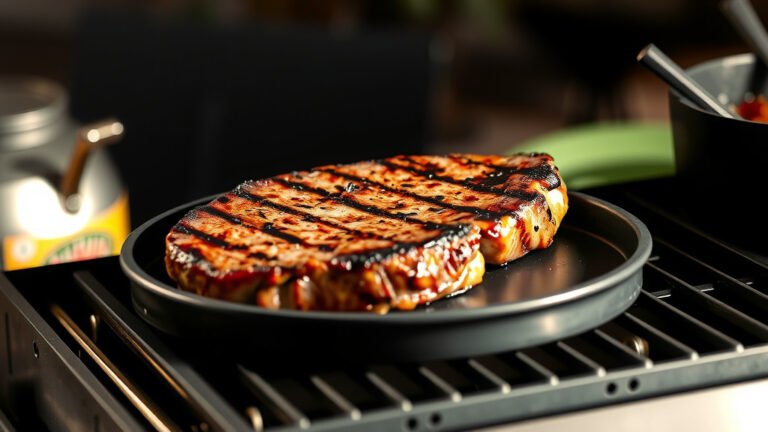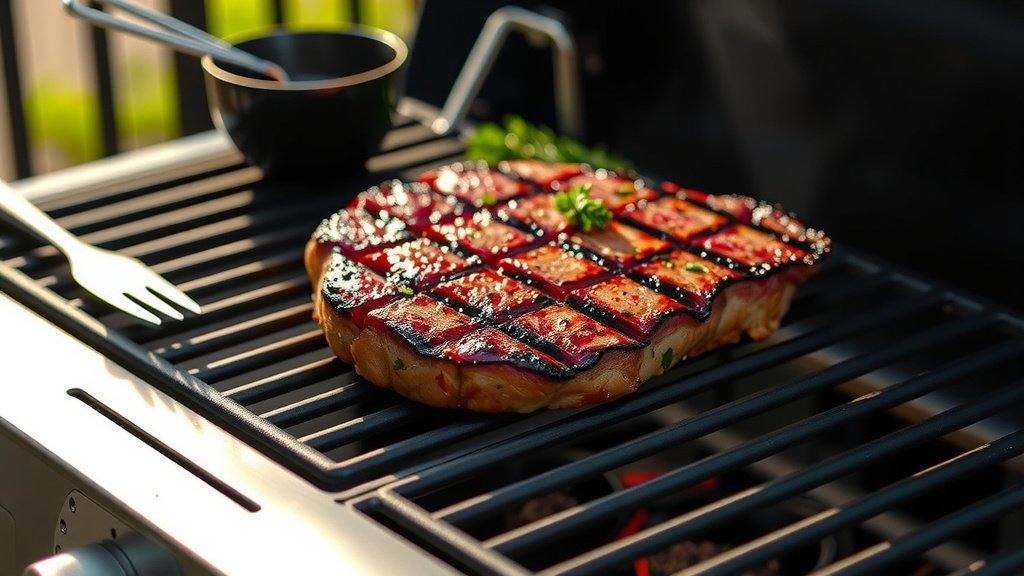
To cook flank steak on a pellet grill, aim for about 20-30 minutes for medium-rare, though thickness is key.
You’ll want to reach an internal temperature of 130-135°F for medium-rare before resting.
- For medium-rare flank steak, expect to cook it on a pellet grill for roughly 20-30 minutes.
- The target internal temperature for medium-rare is 130-135°F before you let it rest.
- Always sear your steak first at high heat for a beautiful crust, then reduce the grill temperature for even cooking.
- Rest your flank steak for 10 minutes after cooking to lock in all its delicious juices.
- Slice the steak thinly and against the grain to ensure every bite is wonderfully tender.
How Long To Cook Flank Steak On Pellet Grill?
Cooking flank steak on a pellet grill typically takes around 20-30 minutes for a medium-rare finish. Your steak’s thickness and your preferred doneness will always guide the exact timing.
Why Choose a Pellet Grill for Flank Steak?
Pellet grills are fantastic for flank steak because they give you precise temperature control. This means you can get a beautiful sear and then cook it gently for tenderness. Plus, you get that lovely smoky flavor that makes grilling so special.
Many experts say the consistent heat of a pellet grill makes it easier to hit your target doneness (Cook’s Illustrated).
Preparing Your Flank Steak
Getting your flank steak ready before it hits the heat makes a big difference. Think of it as setting the stage for a delicious performance.
Trimming and Patting Dry
First, take a moment to trim any excess fat from your flank steak. This helps prevent flare-ups and allows for a more even cook. Next, and this is important, pat the steak completely dry with paper towels. A dry surface helps achieve that amazing crust during searing.
Seasoning Your Steak
Flank steak loves bold flavors. You can keep it simple with salt, black pepper, and garlic powder. Or, if you like, a good marinade can add tenderness and depth of flavor. Aim to season it well at least 30 minutes before grilling, or even overnight in the fridge.
Setting Up Your Pellet Grill
The secret to a great flank steak on a pellet grill involves two temperature zones: one for searing and one for cooking through.
High Heat for Searing
Start your pellet grill at a high temperature, around 450-500°F. This super-hot surface is what creates that mouth-watering, crispy crust. Think of it like getting a skillet really hot for a perfect sear.
Lower Heat for Cooking
After searing, you’ll drop the grill temperature down to about 225-275°F. This lower temperature allows the steak to cook through gently without burning the outside, ensuring it stays juicy inside.
Step-by-Step Cooking Guide
Ready to grill? Follow these steps for a perfectly cooked flank steak on your pellet grill.
- Preheat your grill: Set your pellet grill to 450-500°F and let it heat up fully.
- Sear the steak: Place the flank steak directly on the hot grates. Sear for 2-3 minutes per side until you see a nice crust.
- Reduce heat: Lower your grill temperature to 225-275°F.
- Cook to doneness: Insert a meat thermometer into the thickest part of the steak. Continue cooking, flipping once or twice, until it reaches your desired internal temperature.
- Rest your steak: Remove the steak from the grill and let it rest on a cutting board for 10 minutes. Cover it loosely with foil.
Understanding Doneness Levels
Knowing the right internal temperature is key to getting your flank steak exactly how you like it. A reliable meat thermometer is your best friend here.
| Doneness Level | Internal Temperature (Before Resting) | Appearance |
|---|---|---|
| Rare | 125-130°F | Cool red center |
| Medium-Rare | 130-135°F | Warm red center |
| Medium | 135-140°F | Pink center |
| Medium-Well | 140-145°F | Slightly pink center |
| Well-Done | 150°F+ | No pink |
Many guidelines point to 145°F as a safe minimum internal temperature for whole cuts of beef (USDA).
The Importance of Resting
Don’t skip the resting step! When you cook meat, the juices get pushed to the center. Letting it rest allows those juices to redistribute throughout the steak. This means a much juicier and more flavorful bite for you.
How to Slice Flank Steak
Flank steak has long muscle fibers. To make it tender, you must slice it against the grain. Look for the direction the muscle fibers run and cut across them at a slight angle. Thin slices are always best for flank steak.
Essential Tips for Success
Want to guarantee a great flank steak every time? Keep these handy tips in mind:
- Preheat your grill fully before adding the steak.
- Always use a reliable meat thermometer.
- Don’t overcrowd the grill grates.
- Experiment with marinades for extra flavor.
- Slice thinly against the grain for maximum tenderness.
What If It’s Not Cooking Right?
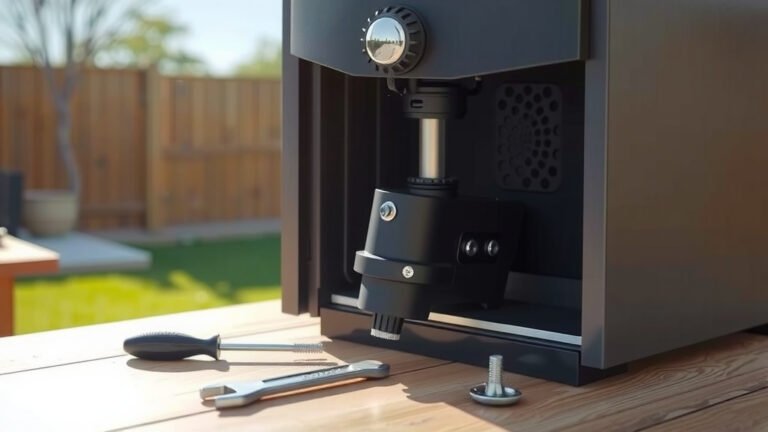
Sometimes things don’t go exactly as planned, right? If your steak is cooking too fast, lower the grill temperature slightly. If it’s too slow, check your pellet supply and ensure the grill is holding its set temperature. Trust your thermometer over time for accuracy.
Conclusion
Grilling flank steak on a pellet grill is a fantastic way to enjoy this flavorful cut. By understanding how long to cook it, aiming for the right internal temperature, and following a few key steps, you’ll achieve a perfectly tender and juicy result. Remember to always sear first, cook to your desired doneness, and give it a good rest. Your taste buds will thank you!
What is the best temperature to cook flank steak on a pellet grill?
For the best results, start your pellet grill at 450-500°F for a quick sear, then reduce the temperature to 225-275°F to finish cooking to your desired internal temperature.
Do I need to marinate flank steak before grilling?
While not strictly necessary, marinating flank steak can add significant flavor and help tenderize it, especially if you plan to cook it past medium-rare. A good marinade can make a big difference.
How do I know when my flank steak is done without a thermometer?
While a meat thermometer is highly recommended for accuracy, you can use the touch test. A rare steak will feel soft, medium-rare will have a slight spring, and medium will feel firmer. This method takes practice and isn’t as precise as a thermometer.
Can I cook a thicker flank steak differently?
Yes, for thicker flank steaks, you might need to sear them slightly longer initially to build a good crust. Then, use the lower temperature cooking phase to bring them to temperature more slowly. This helps prevent burning the outside while the inside is still raw.
What are some good seasonings for flank steak?
Classic seasonings like salt, fresh cracked black pepper, and garlic powder are always a hit. Other popular choices include onion powder, paprika, a touch of cayenne for heat, or a pre-made steak rub. For marinades, soy sauce, olive oil, citrus juice, and herbs work wonderfully.