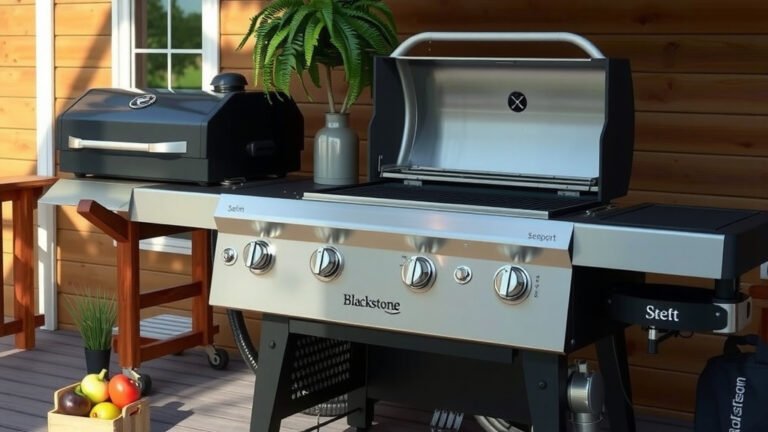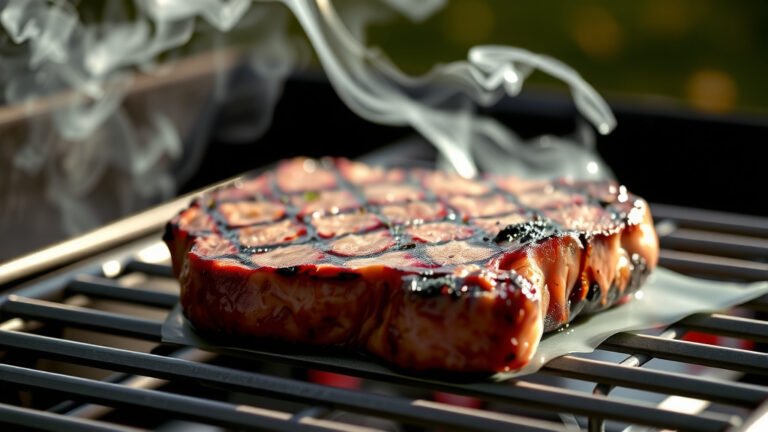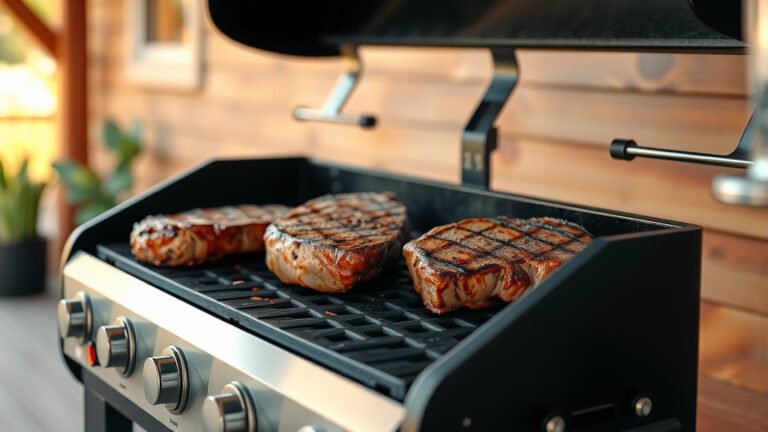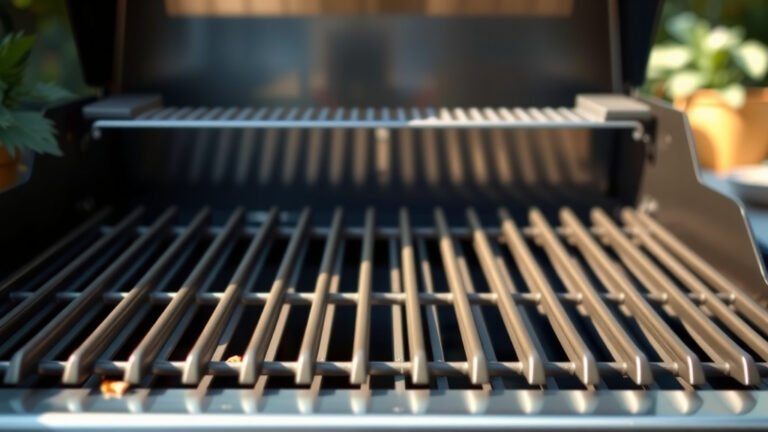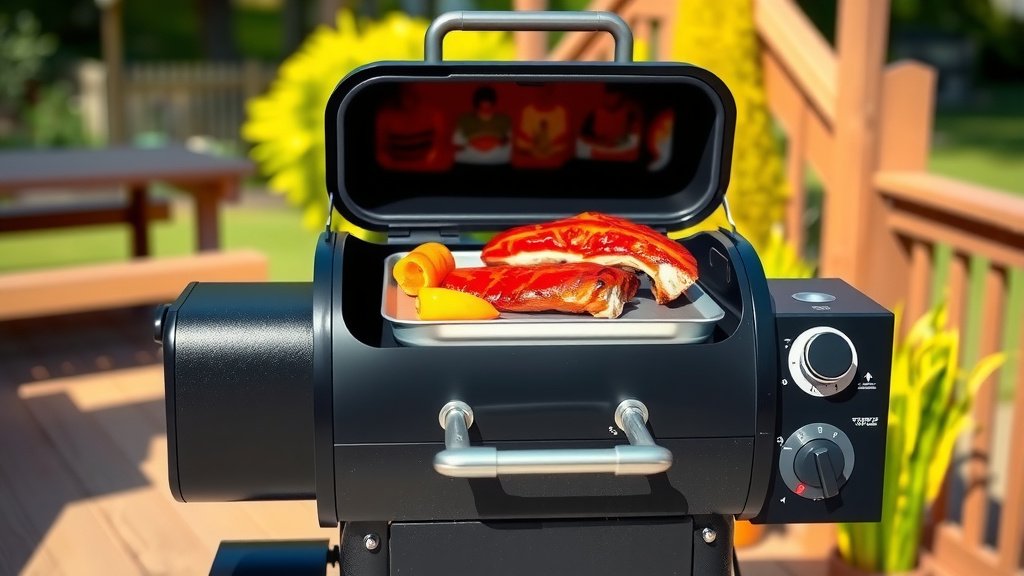
To use a Traeger Smoker Grill, you will first need to load wood pellets into the hopper, prime the auger, and then power on the grill to set your desired temperature.
Preheating is key; allow your Traeger to reach the set temperature and produce clear blue smoke for about 10-15 minutes before placing your food inside for best results.
- TL;DR: Using a Traeger is about loading pellets, priming, setting the temperature, and preheating until you see clear, blue smoke.
- Always keep your Traeger clean for optimal performance and food safety.
- The main controls are usually a simple dial or digital display for temperature adjustment.
- Low and slow cooking is where Traeger grills truly shine, giving your food amazing smoky flavors.
- Don’t forget to regularly check your pellet levels to avoid interruptions during a long cook.
How To Use A Traeger Smoker Grill?
Learning how to use a Traeger Smoker Grill is simpler than you might think, opening up a world of smoky flavors for your backyard cooking. It’s essentially a set-it-and-forget-it system once you get the hang of it.
Setting Up Your Traeger for the First Time
If this is your first time, congratulations! We found that a proper initial setup makes all the difference. You will need to assemble your grill first, following the instructions carefully.
Once assembled, the next step is crucial: seasoning your Traeger. This burns off manufacturing oils and prepares the grill for cooking. Think of it like breaking in a new pair of shoes.
The Initial Burn-In Process
Many experts say the burn-in, or seasoning, is vital for flavor and longevity (Traeger Grills). You just need to run your empty grill at a high temperature for about 45 minutes.
This process creates a protective layer inside the grill. It’s like painting a room; prep work ensures the best finish on your food later.
Loading the Wood Pellets
Your Traeger runs on wood pellets, which are essentially compressed sawdust. Open the hopper lid and pour in your preferred flavor of pellets.
Don’t overfill it, but make sure there are enough for your planned cook. A good rule of thumb is to check levels regularly, especially for longer smokes.
Choosing the Right Pellets
Did you know different woods offer different flavor profiles? We found that hickory is great for beef, while apple pairs well with pork or chicken.
You can even mix and match for a custom taste experience. Experimenting with pellet types is half the fun of smoking.
Priming the Auger System
If you’re using your Traeger for the first time, or if the hopper has completely run dry, you’ll need to prime the auger. This feeds pellets into the firepot.
To do this, simply turn on the grill and look for a “prime” button or function on your controller. This makes sure the pellets reach the ignition system.
Starting Your Traeger Grill
With pellets loaded and the auger primed, it’s time to start. Turn the temperature dial to your desired setting, or push the start button on digital models.
You’ll hear the fan and igniter activate, then see smoke. This is the grill coming to life, ready to infuse your food with amazing flavor.
Understanding the Smoke Cycle
When you first start your Traeger, you might see thick white smoke. Don’t worry, this is normal during startup. It’s called “dirty smoke”.
Wait for the smoke to thin out and turn a clear blue. This “thin blue smoke” is what you want for the best flavor infusion (BBQGuys Blog).
Preheating for Optimal Results
Just like an oven, your Traeger needs to preheat. Set your desired temperature and let it run for 10-15 minutes with the lid closed.
This allows the grill to stabilize and the grates to get hot. A properly preheated grill ensures even cooking and those perfect sear marks if you’re grilling.
Setting the Temperature and Monitoring
Your Traeger has a precise temperature controller. Dial it in for low and slow smoking (around 225°F) or high heat grilling (up to 450°F or more).
Many models include a meat probe, a handy tool to monitor your food’s internal temperature. This helps you avoid guessing and achieve perfect doneness.
Cooking with Your Traeger
Once preheated and smoking clean, place your food on the grates. Close the lid to keep the heat and smoke inside. Resist the urge to constantly peek!
Each time you open the lid, you lose heat and smoke, extending your cooking time. Be patient; good things come to those who wait when smoking.
- Pre-Cook Checklist:
- Check pellet levels – is there enough for the whole cook?
- Clean your grill grates – a clean surface prevents sticking.
- Ensure the drip bucket is empty – prevents grease fires.
- Plug in your Traeger securely – avoid power interruptions.
- Have your meat probes ready – essential for accurate temperature monitoring.
Mastering “Low and Slow” Smoking
This is where Traeger grills truly shine. Setting your temperature to around 225°F and letting food cook for hours breaks down tough fibers and infuses deep flavor.
Think of briskets, pork butts, and ribs cooked this way. The patience you put in will be rewarded with unbelievably tender, smoky results.
| Cooking Style | Typical Temp Range | Best For |
|---|---|---|
| Smoking | 180°F – 225°F | Brisket, Pork Shoulder, Ribs |
| Roasting | 300°F – 375°F | Whole Chicken, Turkey, Vegetables |
| Grilling | 375°F – 450°F+ | Steaks, Burgers, Sausage |
Cleaning Up Your Traeger
After your amazing meal, cleaning is essential. We found that regular cleaning prevents flare-ups and keeps your grill running smoothly.
Scrape the grates, empty the grease bucket, and consider using a shop vac to remove ash from the firepot. A clean grill is a happy grill, and your food will taste better for it.
Conclusion
Using a Traeger smoker grill might seem daunting at first, but with a few simple steps, you’ll be cooking like a pro in no time. Remember to load your pellets, prime the auger, preheat properly, and let that beautiful thin blue smoke do its work. With consistent cleaning and a little patience, your Traeger will provide countless delicious, smoky meals for years to come. Enjoy the process and the incredible flavors you’ll create!
What kind of pellets should I use in my Traeger?
You should use 100% hardwood cooking pellets specifically designed for pellet grills. Traeger brand pellets are recommended, but many quality third-party brands are also available. Avoid heating pellets or softwoods not meant for cooking.
How do I prevent a Traeger from getting a flameout during a cook?
To prevent a flameout, ensure your hopper has plenty of pellets throughout the cook, especially for long sessions. Also, keep your firepot clean from excessive ash buildup, which can smother the flame. Many experts also suggest avoiding opening the lid too frequently, as this can drop the internal temperature rapidly.
Can I use my Traeger as a regular grill for high-heat searing?
Yes, you can use your Traeger for grilling and searing, especially newer models designed for higher temperatures. While not a direct flame grill, setting the temperature to its highest setting (450°F+) will allow you to achieve good grill marks and cook items like steaks and burgers effectively. Some models even have a ‘Super Smoke’ mode for extra flavor at lower temperatures.
How often should I clean my Traeger?
We found that regular cleaning after every 2-3 cooks is ideal, especially for the grates and drip pan. A deep clean, including vacuuming out the ash from the firepot and interior, should be done every 5-10 cooks or once a month, depending on how often you use it. This prevents grease fires and ensures consistent performance.
What is the “smoke ring” and how do I get one on my meat?
The smoke ring is a pinkish-red band just under the surface of smoked meat, highly prized by BBQ enthusiasts. It’s formed by a chemical reaction between nitrogen dioxide in the wood smoke and the myoglobin in the meat. To achieve a good smoke ring, focus on longer cooks at lower temperatures (around 225°F) with plenty of thin blue smoke, especially in the initial hours of cooking (USDA Food Safety and Inspection Service).