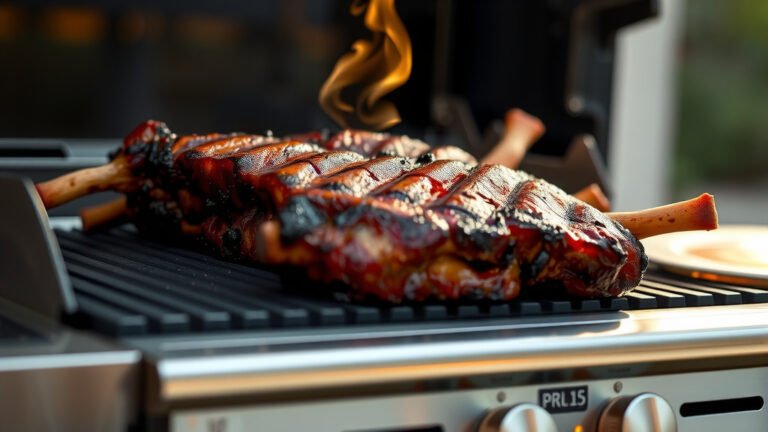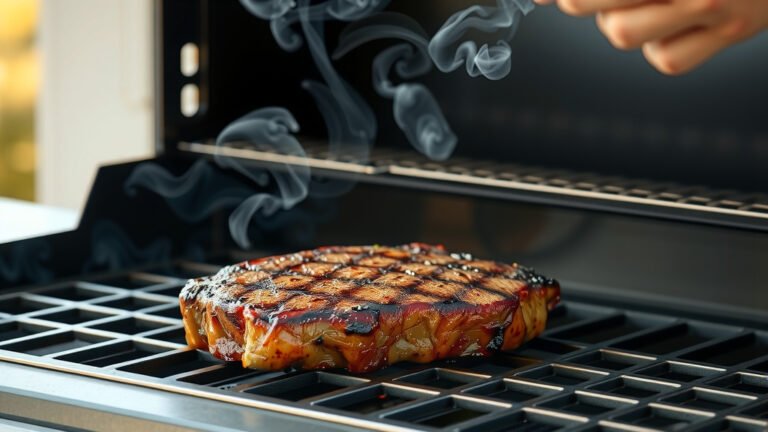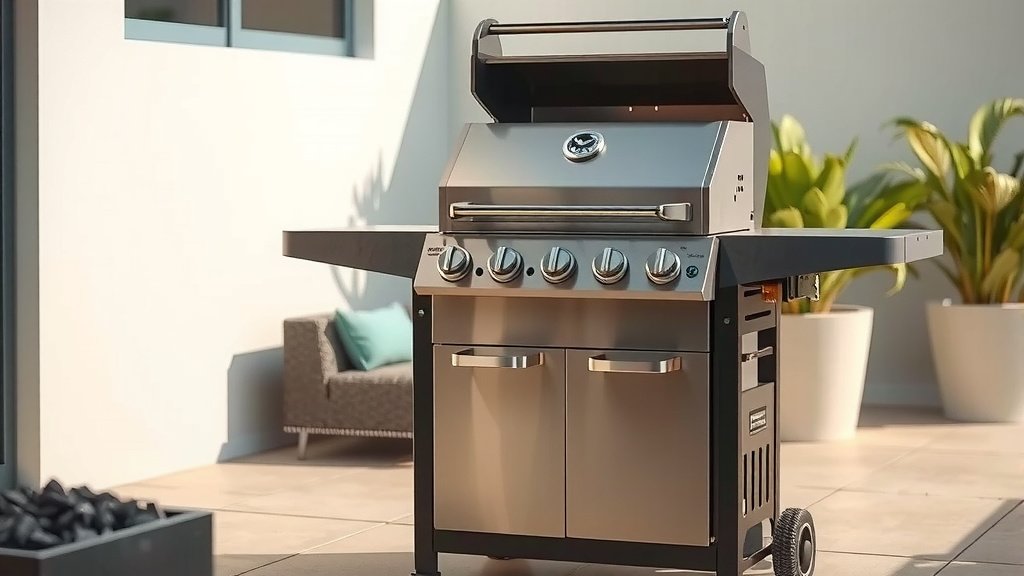
No, a gas grill does not need charcoal to operate or cook food effectively. Gas grills are designed to run exclusively on propane or natural gas, using burners to generate heat.
Adding charcoal to a gas grill can be dangerous and damage the appliance, as their heating mechanisms are fundamentally different.
TL;DR: Here’s the gist of it:
- Gas grills use gas (propane or natural) for heat, not charcoal.
- Putting charcoal in a gas grill is dangerous and can cause damage.
- You can get smoky flavor on a gas grill using wood chips in a smoker box.
- Gas offers convenience and precise temperature control.
- Charcoal offers a distinct smoky flavor and high searing heat.
Does A Gas Grill Need Charcoal?
Let’s get straight to it: A gas grill absolutely does not need charcoal. These two grilling titans operate on entirely different principles, like apples and oranges in your fruit basket.
Your gas grill relies on a steady fuel supply from a propane tank or a natural gas line to power its burners.
Why the Confusion?
Many first-time grill owners, or those switching from charcoal, often ask this. It’s easy to wonder if adding charcoal might boost flavor or heat, right?
You might be thinking about that delicious, smoky char you get from charcoal. That distinctive taste is a big part of why people adore charcoal grilling.
Understanding Your Gas Grill
When you turn a knob on your gas grill, you’re opening a valve. This valve lets gas flow to a burner, which then ignites. This creates the flame that heats your cooking grates.
Gas grills use metal heat diffusers, often called flavorizer bars or heat tents, to spread heat evenly. These parts also vaporize drippings, adding back some savory flavor to your food.
The Role of Gas vs. Charcoal
Think of them as different tools for different jobs. Both cook food wonderfully, but they have unique strengths.
Many experts say the best grill for you depends on what you prioritize most (Grilling.com).
Gas Grilling: Convenience King
With a gas grill, you get instant on and off. You also get precise temperature control, much like your kitchen stove. This makes it perfect for weeknight meals or when you want something fast.
Imagine coming home after a long day and having dinner sizzling in minutes. That’s the power of gas grilling.
Charcoal Grilling: Flavor Champion
Charcoal provides a unique, smoky taste that many grill enthusiasts seek. The high heat from charcoal is also ideal for achieving a perfect sear on steaks.
This method usually takes longer to get started, but the deep flavor payoff is often worth the wait for many grill masters.
Can They Mix? Not in the Way You Think
You might want the best of both worlds: gas convenience and charcoal flavor. But you cannot simply add charcoal briquettes to a gas grill’s cooking chamber.
It’s vital to understand that these systems are separate. We found that trying to combine them directly can create significant problems.
What Happens If You Put Charcoal in a Gas Grill?
This is a serious question, and the answer is equally serious. Please do not try this at home. Your gas grill is not designed for it.
Many experts warn against any such modifications to your grill’s original design (Consumer Reports).
Safety Concerns Are Real
Gas grills are built to contain gas flames. Charcoal burns differently and at much higher, uncontrolled temperatures. This can lead to unexpected flare-ups and intense heat.
Imagine a small campfire inside a sealed metal box. That’s a simplified way to picture the danger.
Damage to Your Grill
The internal components of your gas grill, such as the burners, heat tents, and igniters, are not made to withstand direct charcoal heat. They can warp, melt, or become permanently damaged.
Replacing these parts can be expensive, if not impossible, rendering your grill unusable.
Fire Risk: A Serious Consideration
When charcoal burns, it produces ash and embers that can block gas flow or ignite grease traps. This significantly increases the risk of a dangerous grease fire.
We found that many grill-related incidents happen when appliances are used outside their intended design (NFPA).
Want Charcoal Flavor with Gas Convenience?
You’re in luck! You don’t have to choose between convenience and flavor. There are safe and effective ways to get that delicious smoky taste on your gas grill.
This is where accessories become your best friend in the grilling world.
Smoker Boxes: Your Flavor Friend
A smoker box is a small, reusable container made of metal. You fill it with wood chips, place it on your gas grill grates, and it infuses your food with smoke.
The wood chips smolder slowly, releasing aromatic smoke without needing to ignite charcoal.
Wood Chips vs. Chunks
For smoker boxes, wood chips are your go-to. They are smaller and burn faster, making them ideal for shorter cooks.
Wood chunks are larger and burn longer, often reserved for dedicated smokers or very long grilling sessions.
How to Use a Smoker Box
- Soak wood chips for 30 minutes (optional, but helps them smolder longer).
- Fill your smoker box with the soaked chips.
- Place the smoker box directly on the grill grates or over a lit burner.
- Close the lid and wait for smoke to appear.
- Once smoking, add your food and cook as desired.
Other Ways to Boost Flavor on Gas
Beyond smoker boxes, other techniques add incredible depth to your gas-grilled meals. It’s all about layering those delicious tastes.
Think of your grill as a canvas; you have many colors to paint with.
Marinades and Rubs
These are your secret weapons for flavor. Marinades tenderize and add moisture while infusing deep flavors. Rubs create a flavorful crust.
Don’t underestimate the power of a good spice blend or a rich marinade.
Searing Techniques
Achieving a good sear creates a flavorful crust on your meat. Preheat your gas grill to a high temperature, then place your food directly over the flame for a few minutes per side.
This initial high heat locks in juices and creates fantastic texture.
Gas Grill vs. Charcoal Grill: A Quick Comparison
Understanding the differences can help you appreciate each grill for its strengths. Both are fantastic tools for outdoor cooking.
| Feature | Gas Grill | Charcoal Grill |
|---|---|---|
| Fuel Source | Propane or Natural Gas | Charcoal Briquettes or Lump Charcoal |
| Heat Control | Precise, Instant | Variable, Less Precise |
| Start-up Time | Fast (minutes) | Slow (20-30 minutes) |
| Flavor Profile | Clean, Can add smoke | Distinct smoky flavor |
| Clean-up | Relatively easy | More ash to manage |
Choosing the Right Grill for You
The “best” grill truly depends on your individual needs and grilling style. There’s no one-size-fits-all answer here.
Consider what fits your schedule and taste buds most effectively.
Consider Your Lifestyle
If you grill often, especially on busy weeknights, a gas grill offers unparalleled convenience. If you enjoy the ritual and have more time, charcoal might be more appealing.
We found that ease of use is a major factor for many grill buyers.
What’s Your Flavor Goal?
If that deep, smoky char is your ultimate goal, a charcoal grill shines. If you want versatility and the option to add smoke, a gas grill with accessories can deliver.
Many households choose to own both a gas and a charcoal grill to meet all their cooking desires.
Checklist: Enhancing Gas Grill Flavor Safely
Want that smoky taste without the danger? Follow this quick guide:
- Get a dedicated metal smoker box.
- Choose your favorite wood chips (hickory, apple, cherry).
- Soak wood chips for extra smoke (optional).
- Place the smoker box on hot grill grates.
- Use quality marinades and dry rubs.
- Master searing for incredible crusts.
Conclusion
So, does a gas grill need charcoal? The simple and definitive answer is no. Gas grills are self-sufficient cooking machines. They run on gas and excel at delivering quick, controlled heat for your favorite meals.
While you should never mix charcoal directly into a gas grill, you can achieve fantastic smoky flavors safely with tools like smoker boxes. Embrace the convenience of gas, and experiment with wood chips to create your perfect BBQ experience!
Does a gas grill generate smoke on its own?
A gas grill does not generate smoke from its fuel source. The “smoke” you sometimes see comes from meat drippings hitting the hot heat diffusers and vaporizing, which creates flavor but isn’t true wood smoke.
Can you convert a gas grill to a charcoal grill?
No, you generally cannot safely or effectively convert a gas grill into a charcoal grill. The designs are fundamentally different, and trying to do so creates significant fire hazards and will likely ruin your appliance.
What types of wood chips are best for smoking on a gas grill?
The “best” wood chips depend on your preference and the food you’re cooking. Hickory offers a strong, traditional smoke; apple is milder and fruity for poultry or pork; cherry is sweet and good for beef or venison.
How do I get a smoky flavor on my gas grill without charcoal?
To get smoky flavor without charcoal, use a smoker box filled with pre-soaked wood chips. Place the smoker box directly on your grill grates over a burner. The chips will smolder, releasing aromatic smoke to infuse your food.
Is it more expensive to grill with gas or charcoal?
Generally, grilling with propane gas is often more cost-effective per cook than using charcoal, especially for frequent grilling. Charcoal briquettes can be more expensive per pound, and usage often requires more fuel for each session compared to gas.