How Much Does a Good Gas Grill Cost?
On this page (3 sections)
A good gas grill can cost anywhere from $300 to over $1,000, depending on its features and brand. We found that most people spend between $500 and $800 for a quality model. Your budget and grilling needs will determine the best value for you.
When you’re shopping for a new grill, many factors influence the price. You’ll find a wide range of options, from basic backyard models to professional-grade cooking stations. We understand it can feel a bit overwhelming trying to figure out what to expect.
- Good gas grills typically range from $300 to over $1,000.
- Most shoppers spend between $500 and $800 for a quality grill.
- Price depends on features, brand, and build quality.
- Entry-level grills start lower, high-end models cost more.
Let’s research together to break down what you get at different price points and help you find the perfect gas grill for your home.
What to Expect When Buying a Gas Grill
When you set out to buy a gas grill, you’ll find a clear range of options. Your budget often dictates where you begin your search. Let’s break down the typical price points.
Entry-Level Gas Grills: Under $300
These grills are perfect if you’re just starting out or have a tighter budget. They get the job done for basic grilling needs. Think burgers, hot dogs, and a few chicken breasts.
Basic Features
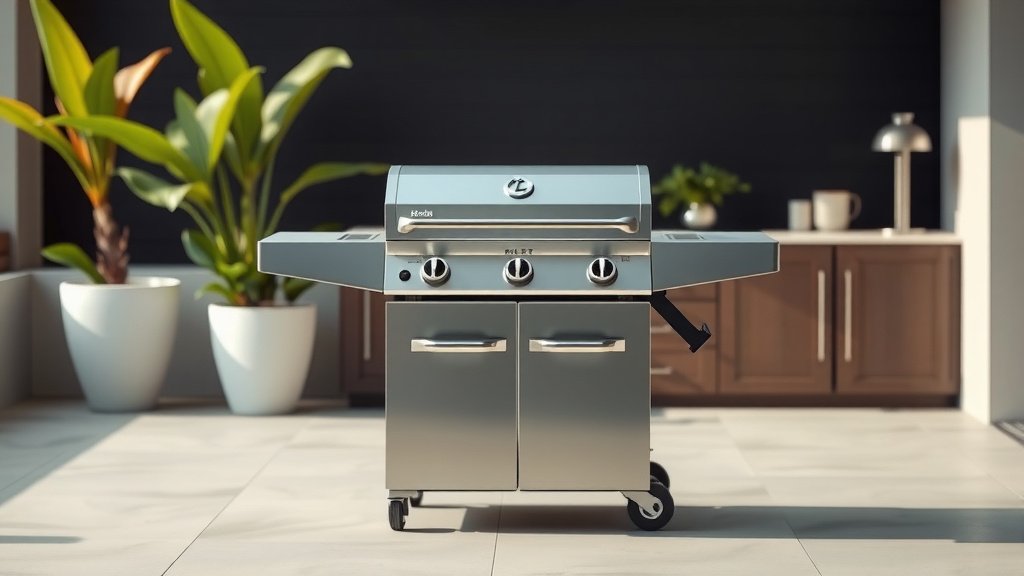
At this price, you’ll usually find two or three burners. The cooking grates are often made of porcelain-coated steel, which is easy to clean but can chip. The side tables might be fixed or foldable, offering minimal prep space.
Construction materials are typically lighter. We found that these grills use thinner gauge metals for the firebox and lid. This means they might not retain heat as efficiently as more expensive models. Rust can be a concern if not properly cared for, especially in wetter climates.
Manufacturers often use stamped steel or aluminum for the burners. These can wear out faster than cast iron or stainless steel burners, which are found in higher-priced grills. You might need to replace parts sooner.
Who Are They For?
These grills are great for individuals, small families, or occasional grillers. If you pull out the grill for a few backyard cookouts in the summer, an entry-level model offers good value. They are also a popular choice for renters who might not want a long-term investment. Just don’t expect them to last a decade.
Mid-Range Gas Grills: $300 – $800
This is where most shoppers land, and for good reason. Mid-range grills offer a significant upgrade in quality and features without breaking the bank. You get more power, better materials, and often a longer lifespan.
Improved Build Quality and Features
With a mid-range grill, you’ll notice more robust construction immediately. Stainless steel components become more common, especially for burner tubes and cooking grates. Cast iron grates, which provide excellent sear marks and heat retention, are also frequent at this level.
The firebox and lid will feel sturdier, often made from thicker stainless steel or cast aluminum. This helps with even heat distribution and durability (National Academies of Sciences, Engineering, and Medicine). We found that grills in this range often include handy features like a side burner for sauces or warming, and often a rotisserie option.
Expect more consistent heat across the cooking surface. Manufacturers often incorporate flame tamers or heat deflectors to minimize flare-ups and distribute heat evenly. Many models also offer electronic ignition systems that light reliably every time.
What’s the Performance Like?
We found that mid-range grills offer a much better grilling experience. They heat up faster, hold a more consistent temperature, and allow for a wider range of cooking techniques. You can comfortably grill for larger families or small groups of friends without feeling limited. This price point often gives you the best balance of cost and performance, making it a very popular choice.
High-End Gas Grills: $800 – $1,500+
Stepping into the high-end category brings you into the realm of serious grilling enthusiasts. These grills are built to last, perform exceptionally, and come with all the bells and whistles you could want.
Premium Materials and Advanced Technology
Expect heavy-gauge commercial-grade stainless steel throughout. This includes the burners, grates, firebox, and even the exterior cabinet. These grills are designed for durability and weather resistance. Many feature cast stainless steel burners, which are incredibly robust and offer superior heat output.
You’ll often find advanced heating systems, like infrared grill burners for searing or dedicated smoker boxes. Some models boast internal halogen lights for night grilling, integrated fuel gauges, and even smart features like Bluetooth connectivity for temperature monitoring (Consumer Reports). They really are outdoor kitchens disguised as grills.
The cooking grates are often solid stainless steel or heavy cast iron, providing an unmatched cooking surface. You’ll likely see more BTU power for faster heating and higher searing temperatures. This allows you to cook a wide variety of foods with precision and confidence.
The Professional Griller’s Choice
If you grill frequently, entertain often, or simply demand the best, a high-end grill is a fantastic investment. They are designed for years of reliable, high-performance use. Think of them as the centerpiece of your outdoor living space. These grills hold their temperature superbly, offer great control, and can perfectly handle everything from delicate fish to large roasts. While the initial cost is higher, the longevity and grilling pleasure often justify the price.
Key Factors Influencing Gas Grill Prices
Why do some grills cost hundreds more than others? It boils down to a few core elements. Understanding these helps you decide what’s worth paying for.
Brand Reputation and Warranty
Established brands like Weber, Napoleon, and Fuego often command higher prices. This is because they have a proven track record for quality and customer service. They also tend to offer longer warranties, sometimes even lifetime warranties on certain components. This peace of mind can be very valuable. Newer or lesser-known brands might offer lower prices but could come with shorter warranties or less readily available replacement parts.
Material Quality and Construction
This is arguably the biggest factor. Thicker gauge steel, stainless steel versus porcelain-coated steel, and cast iron versus aluminum all impact cost (American Society for Testing and Materials). Better materials mean better heat retention, corrosion resistance, and overall durability. A well-constructed grill with welded joints will cost more than one with riveted or bolted assemblies.
BTU Output and Burner Type
BTU (British Thermal Unit) measures heat output. Higher BTUs generally mean faster heating and higher maximum temperatures, but it’s not the only indicator of quality. Burner design and material are just as important. Cast stainless steel burners are top-tier, offering incredible durability and even heating, but they come at a premium compared to stamped steel or brass burners.
Number of Features and Accessories
Every extra feature adds to the price. Do you need a side burner, a rotisserie, an infrared searing station, or LED lights on the knobs? Each of these additions, while convenient, pushes the cost up. Decide which features are must-haves versus nice-to-haves for your grilling style.
Here’s a quick overview of how these factors typically stack up:
| Price Range | Key Features | Materials | Warranty (Typical) |
|---|---|---|---|
| Under $300 | Basic 2-3 burners, simple ignition | Thin steel, porcelain-coated grates | 1-3 years (limited) |
| $300 – $800 | 3-5 burners, side burner, better ignition | Thicker steel, stainless steel/cast iron grates | 5-10 years (select parts) |
| $800 – $1,500+ | Multiple burners, infrared, rotisserie, lights, smart features | Heavy-gauge stainless steel, cast stainless burners | 10+ years to lifetime |
How to Choose the Right Gas Grill for Your Budget
Making the right choice doesn’t mean spending the most. It means finding the best value for your specific needs. Think about how you use a grill today and how you might use it in the future.
Assess Your Grilling Habits
Are you a weekend warrior or a daily griller? Do you host large parties or just cook for your family? If you grill once a month, you likely don’t need a professional-grade setup. If you’re out there every warm evening, investing more makes sense. Your usage frequency should guide your spending.
Consider Your Climate
Do you live in a rainy or humid area? If so, corrosion resistance is critical. Investing in a grill with more stainless steel components will pay off in the long run. If your grill will be exposed to the elements year-round, materials become even more important for longevity (National Weather Service).
Don’t Forget About Maintenance and Accessories
A good grill brush, a cover, and cleaning supplies are essential. Factor these into your overall budget. While not part of the grill’s sticker price, they are necessary for maintaining your investment.
Checklist for Deciding Your Grill Budget
- How often do you plan to grill? (Daily, weekly, monthly)
- How many people do you typically cook for? (Small family, large gatherings)
- What types of food do you usually grill? (Burgers, roasts, delicate fish)
- Is durability a top priority for you?
- How much outdoor space do you have for the grill?
- Are advanced features (side burner, rotisserie) essential?
Answering these questions will help narrow down your options. You’ll quickly see if a basic model meets your needs or if you truly need to step up to a mid-range or high-end grill.

Conclusion
Choosing a good gas grill means balancing your budget with your grilling habits and desired features. We found that while prices range significantly, most home grillers find their sweet spot in the $500 to $800 range for a quality model that offers durability and performance. Consider how often you’ll grill and what materials will best suit your climate.
Ultimately, the “best” grill is one that consistently meets your needs without overspending on features you won’t use. Take an honest look at your grilling style, use our guide, and you’ll confidently choose a grill that brings you years of outdoor cooking enjoyment. Happy grilling!
Frequently Asked Questions
Is a more expensive gas grill always better?
Not necessarily. While higher prices often mean better materials and more features, a $1,000 grill isn’t “better” if a $400 model perfectly suits your occasional grilling needs. The best grill is one that matches your specific usage, budget, and desired durability.
What’s the most important factor in gas grill durability?
The quality of materials and construction is key. Grills with thicker gauge stainless steel components, cast iron grates, and robust burners will typically last longer. These materials resist rust and wear better than thinner, less expensive alternatives.
Do I really need a side burner on my gas grill?
A side burner is a convenient feature for preparing sauces, boiling corn, or keeping side dishes warm while grilling your main course. If you frequently cook multiple items at once or like to do all your cooking outdoors, it can be a valuable addition. If not, you might save money without it.
How much will I save if I buy an entry-level grill?
You can save hundreds of dollars upfront by choosing an entry-level grill, often priced under $300. However, be aware that these models might require more frequent part replacements and may not last as long overall. Factor in the potential for higher long-term maintenance if you grill often.
How long should a good quality gas grill last?
A mid-range gas grill (around $500-$800) made with decent materials should last 5-10 years with proper care and maintenance; this grill maintenance cost guide covers upkeep expenses. High-end grills, with their premium construction, can often last 10-15 years or even longer. Regular cleaning and covering your grill will extend its lifespan significantly.