
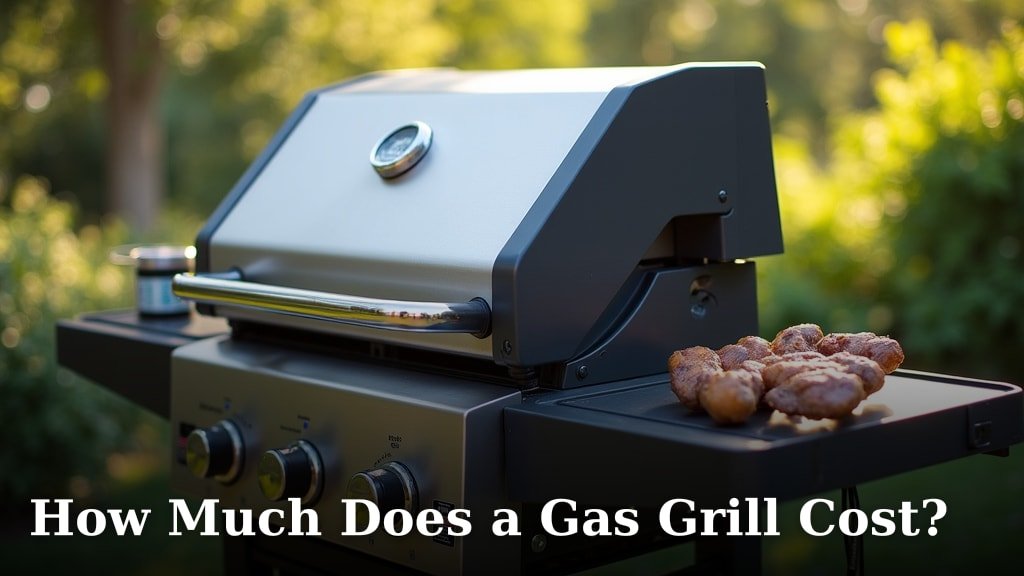
A new gas grill can cost anywhere from $150 to over $2,000, depending on its size, features, and brand. We found that most people spend about $300 to $700 for a good quality grill for their backyard.
The price you pay for a gas grill really depends on what you need. Are you grilling for a few people or a big party? Do you want all the fancy bells and whistles, or just something simple and reliable? Many factors play a role in the final price tag.
- Gas grills have a wide price range.
- Basic models start around $150.
- Premium grills can cost over $2,000.
- Most popular options are $300-$700.
- Features and brand affect cost the most.
Ready to find out more about what makes gas grills cost what they do? Let’s take a closer look at the different factors that influence pricing.
Understanding the Price Tags on Gas Grills
So, you’re wondering what drives the cost of a new gas grill? You’re in good company! We found that the price tag on a gas grill isn’t just a random number. It’s actually a reflection of several key things. These elements often dictate if a grill is a budget-friendly option or a high-end luxury item.
Before you even step into a store or browse online, understanding these factors can help you set your expectations. It ensures you know what you’re getting for your hard-earned money. Let’s break down these factors so you can make an informed choice.
Grill Size and Cooking Area
The first thing that often jumps out in pricing is the grill’s physical size. Think about it: a larger grill usually means more materials. It also means a greater cooking surface. We found that bigger grills almost always cost more than smaller ones.
Compact and Portable Grills
If you’re often on the go, or just grilling for one or two, a compact grill might be perfect. These are typically the most affordable options, starting around $150 to $250. They’re great for balconies, tailgates, or camping trips. They have smaller cooking areas and fewer burners, keeping costs down.
Mid-Size Family Grills
For most families, a mid-size grill is the sweet spot. These often feature 2 to 4 burners and offer enough space for grilling for 4-8 people. You’ll generally find these in the $300 to $700 range. They blend good capacity with reasonable cost.
Large and Professional Grills
Hosting big parties? Love to cook many different things at once? Then a large grill is what you’ll need. These feature 5 or more burners, extensive cooking areas, and often side burners. Expect to pay $700 up to $2,000 or more for these powerhouses. They’re built for serious backyard chefs.
Materials and Construction Quality
What a grill is made of plays a huge part in its price and how long it lasts. You might not see it at first glance, but the quality of materials impacts durability and heat retention significantly. This is where a lower-priced grill can differ greatly from a premium one.
Here’s a quick look at common materials you’ll find:
- Painted Steel: Often found in entry-level grills. It’s affordable but can rust over time if not cared for.
- Porcelain-Coated Steel: A step up from painted steel. The porcelain helps resist rust and makes cleaning easier.
- Stainless Steel: The gold standard for grill construction. It’s durable, rust-resistant, and looks great. High-grade stainless steel (like 304 grade) is what you’ll find in expensive grills.
- Cast Iron Grates: Excellent for retaining heat and creating sear marks. They require seasoning to prevent rust but last a long time.
If you invest in a grill with higher-quality materials, you’re likely getting a product that will withstand the elements and frequent use. We found that stainless steel construction often pushes the price higher, but usually means a longer lifespan for your grill. Many experts agree that choosing better materials now saves money on replacements later (Consumer Reports).
Features and Technology
Just like cars, gas grills come with a surprising array of features. Some are basic necessities, while others are luxurious additions. These extra bells and whistles can quickly drive up the price. So, it’s worth thinking about what you truly need versus what would just be nice to have.
Consider these common features and their impact on cost:
- Side Burners: Handy for sauces or side dishes. Usually adds $50-$150 to the grill’s cost.
- Rotisserie Kits: Perfect for roasting whole chickens or roasts. This can add $100-$300.
- Infrared Burners: Provides intense, even heat for searing. This premium feature can add $200-$500.
- Built-in Thermometers: Standard on most grills, but higher-end ones often have more accurate, digital versions.
- Grill Lights: Useful for grilling after dark. A small addition, typically under $50.
- Storage Cabinets/Drawers: Offers convenience and a tidier outdoor space. Raises the price by $100-$400.
- Smart Features: Wi-Fi connectivity, app control, or temperature probes. These advanced features can add hundreds to the cost.
A basic grill focuses on core grilling functions. A premium grill offers an extensive cooking experience. When you see a grill with a higher price tag, it often boasts these advanced features. Ask yourself if you’ll actually use them, or if a simpler model meets your needs just as well.
Brand Reputation and Warranty
Certain brands have built a reputation for quality and performance. You’ll often find that grills from well-known manufacturers cost more. But why? This higher price often reflects their investment in research, better materials, and customer service. Established brands usually offer more reliable products.
A good warranty can also impact the price. A longer, more comprehensive warranty suggests the manufacturer stands behind their product. This can provide peace of mind. While a grill from a lesser-known brand might save you money upfront, you might sacrifice long-term support. We found that brands like Weber, Traeger, and Napoleon generally have higher price points, but also offer excellent customer support and warranties (Consumer Reports).
Assembly and Delivery Costs
Don’t forget to factor in the hidden costs! While not part of the grill’s sticker price, assembly and delivery can add to your total. Many grills come in a box, requiring you to put them together. This can be a fun project, or a headache, depending on your skill level. Assembly services can cost anywhere from $50 to $200, if you choose to pay for them.
If you’re buying a large grill, consider how you’ll get it home. Delivery services can be an extra charge, especially for bigger items. Check with the retailer about their delivery fees and if assembly is included. Sometimes, you can save money by picking it up yourself and doing the assembly. Just make sure you have the right tools and a strong friend to help!
Propane vs. Natural Gas Models
Most gas grills run on propane tanks. These are portable and widely available. Natural gas grills, however, connect directly to your home’s gas line. They offer unlimited fuel, which is super convenient! Natural gas models often cost a little more upfront, typically an extra $50-$150 for the grill itself.
Beyond the grill’s price, consider installation costs for a natural gas line. If you don’t already have an outdoor gas hookup, you might need a plumber. This construction can add several hundred dollars (or more!) to your overall investment. Weigh the convenience against these potential extra costs when making your choice.
Ongoing Costs to Consider
The upfront price of the grill is one thing, but what about keeping it running? There are some ongoing costs you should be aware of. These aren’t hidden fees, but rather part of being a grill owner. Recognizing these can help you better budget for your grilling adventures.
| Item | Description | Typical Annual Cost |
|---|---|---|
| Propane Tanks | Refilling or exchanging propane tanks. | $30 – $100 |
| Cleaning Supplies | Brushes, cleaners, grate oil, covers. | $20 – $50 |
| Replacement Parts | Burners, grates, igniters (over time). | $50 – $200+ (as needed) |
| Grill Cover | Protects your grill from weather. | $30 – $100 |
| Natural Gas Utility | Your home’s natural gas bill will increase slightly. | Varies by usage |
How to Find the Best Value for Your Money
You don’t need to break the bank to get a great gas grill. It’s all about matching your needs with the right features and quality. What’s “best value” for one person might be different for another. Here are some quick tips to help you hunt for a deal and feel confident in your purchase.
- Define Your Needs: How often will you grill? How many people usually eat? This helps determine size.
- Set a Budget: Know your spending limit before you start shopping. Stick to it as much as possible.
- Read Reviews: Look at what other real users say about durability and performance.
- Compare Features: Don’t pay for features you won’t use. Focus on must-haves.
- Shop Off-Season: Prices often dip in late fall or winter when demand is low.
- Check Warranties: A good warranty offers protection and indicates quality.
Remember, the most expensive grill isn’t always the best for you. Similarly, the cheapest option might not last as long. Your goal is to find a balance that fits your lifestyle and your wallet. Investing in a good grill cover, for example, can massively extend your grill’s life, saving you money in the long run.
Conclusion
Finding the right gas grill means balancing your grilling habits with your budget. We’ve seen that prices vary a lot, from basic $150 models to premium $2,000+ units. The size, materials, features, and brand all play a big part.
Remember to consider not just the upfront cost, but also ongoing expenses like propane and replacement parts. By thinking about what you truly need and doing some research, you can find a great grill. You’ll be ready to enjoy many delicious meals in your backyard without overspending.
Frequently Asked Questions
What’s a reasonable budget for a first gas grill?
For a good quality first gas grill, we found that most people spend between $300 and $700. This range offers a solid balance of features, durability, and cooking performance. You can find smaller, more basic models for less if your needs are minimal.
Does brand name really matter for grill pricing?
Yes, brand name definitely affects gas grill pricing. Well-known brands like Weber or Napoleon often command higher prices due to their reputation for quality materials, better performance, and strong warranties. They also tend to have excellent customer service and readily available replacement parts.
When is the best time of year to buy a gas grill?
You can often find the best deals on gas grills during the off-season, typically in late fall or winter. Retailers are trying to clear out inventory to make room for new models. This can lead to significant discounts.
Are natural gas grills more expensive to install than propane grills?
Natural gas grills can have higher initial installation costs if you don’t already have an outdoor gas line. While the grill itself might be slightly more expensive, hiring a plumber to run a new gas line can add several hundred dollars to your total investment. Propane models only require a tank connection.
Can I extend the life of a cheaper gas grill?
Absolutely! You can significantly extend the life of any gas grill, even a more affordable one, with proper care. Regularly cleaning the grates and interior, and always using a durable grill cover, will protect it from weather and wear. This helps prevent rust and keeps components working longer.
