
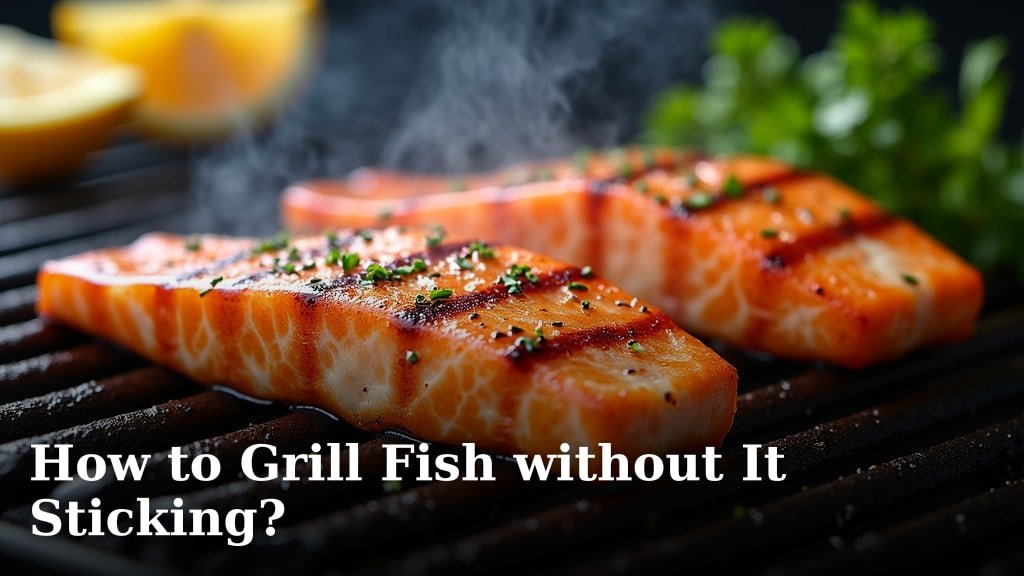
The easiest way to grill fish without it sticking is to start with a clean, hot grill and use plenty of oil. You want the fish to release easily, not tear apart. A little preparation goes a long way here.
Nobody wants a delicious fish fillet to end up in pieces on the grill grates. It’s frustrating to lose part of your meal. We found that proper grill prep and a bit of technique make all the difference. This helps keep your fish whole and tasty.
- Clean and oil your grill grates thoroughly.
- Preheat your grill to the right temperature.
- Choose the best type of fish for grilling.
- Use a good quality cooking oil.
- Know when and how to flip your fish.
Let’s walk through exactly how to get perfectly grilled, non-stick fish every single time you fire up the grill. You’ll be a grill master in no time!
Mastering the Art of Grilling Fish Without the Stick
You want that beautiful fillet to come off the grill in one piece, right? The secret truly lies in a few key preparation steps. We found that approaching grilling fish with a little patience and the right techniques makes all the difference.
Prepare Your Grill for Success
Think of your grill grates like a non-stick pan. You wouldn’t cook in a dirty pan, would you? The same goes for your grill. This step is often overlooked but is absolutely critical for preventing sticking.
Clean Grates Are Happy Grates
Before you even think about lighting that grill, make sure your grates are sparkling clean. Any leftover food bits or charred residue will act like glue, grabbing onto your delicate fish. We found that brushing your grates while they’re still hot from the last cook-out is easiest, but a good scrub before you start works too.
- Heat your grill to high for 10-15 minutes.
- Use a sturdy wire brush to scrape off all residue.
- For stubborn spots, consider a grill scraper or even an onion cut in half.
Oil Those Grates Generously
Once clean, your grates need a good coating of oil. This creates a barrier between the fish and the metal. We suggest a high smoke point oil like canola, vegetable, or grapeseed oil. Avoid olive oil here; it can burn and create bitter flavors at high temperatures.
How do you oil the grates safely? Many experts recommend folding a paper towel, dipping it in oil, and then using tongs to rub it over the hot grates (USDA Food Safety). Do this just before you put the fish on. You want a thin, even coat.
Choosing the Right Fish and Preparation
Not all fish are created equal when it comes to grilling. Some are more delicate and prone to falling apart. Others are naturally sturdier. Knowing the difference helps you pick wisely.
Best Fish for Grilling
For beginners, we recommend fish with firmer flesh and higher fat content. These types are more forgiving and less likely to stick or break apart on the grates. Think about it like a sturdy steak compared to ground meat – one holds its shape better.
| Best Fish for Grilling | Consider with Care |
|---|---|
| Salmon | Cod |
| Tuna | Tilapia |
| Swordfish | Flounder |
| Halibut | Snapper (skin on helps!) |
Fish with delicate, flaky flesh like cod or tilapia can be grilled, but they require extra care. You might consider using a grill basket for these, which we’ll discuss later.
Preparing Your Fillets
Before hitting the grill, your fish needs a little love. Patting the fish dry is key. Moisture on the surface can steam rather than sear, leading to sticking. We found that a simple paper towel blot works wonders.
Next, it’s time for oiling the fish itself. Just like the grates, a light coating of oil on the fish acts as another non-stick layer. Brush both sides of your fillet with that same high smoke point oil you used for the grates. Don’t forget to season your fish too! Salt and pepper are always a good start.
Mastering Grill Temperature and Timing
Temperature is a major factor in preventing sticking and ensuring perfectly cooked fish. Too low, and the fish won’t sear, increasing the chances of it sticking. Too high, and you risk burning the outside while the inside stays raw.
The Perfect Grill Temperature
For most fish fillets, a medium-high heat is ideal. You’re looking for a temperature range of 400-450°F (200-230°C). This allows the fish to develop a nice crust, which helps it release cleanly from the grates. How do you know when it’s ready? We recommend a good grill thermometer.
Preheat your grill for at least 10-15 minutes before placing the fish on it. This ensures the grates are uniformly hot and ready to sear. Think of it like preheating your oven for baking – it’s crucial for even cooking.
Knowing When to Flip
This is where many people get nervous, and often, where sticking happens. The golden rule for grilling fish is: don’t flip too soon!
When fish hits a hot, oiled grate, a crust forms. This crust is what allows the fish to release cleanly. If you try to flip it before this crust is fully developed, it will tear and stick. How do you know when it’s ready?
- The edges of the fish will start to look opaque.
- The fish will appear to shrink slightly.
- Gently lift a corner with a thin spatula. If it resists, it’s not ready.
- When it’s ready, it will release easily from the grates.
Most fillets will only need one flip. Grill for about 3-5 minutes per side, depending on thickness. Aim for an internal temperature of 145°F (63°C) for most fish (FDA Food Code).
Tools and Techniques for Extra Assurance
Even with perfect preparation, sometimes a little extra help is welcome. There are a few tools and techniques that can give you added confidence and prevent sticking, especially with more delicate fish.
The Power of a Thin Spatula
A good quality, thin metal spatula is your best friend when grilling fish. Its thin edge allows you to slide it easily under the delicate flesh without tearing. Avoid thick plastic spatulas, which can be too clunky. We found that a wide, flexible metal spatula offers the best leverage.
Grill Baskets and Planks
For very delicate fish, or if you’re still a bit nervous, consider using a grill basket. These baskets hold the fish securely and allow you to flip the entire basket, rather than the fish itself. They’re a fantastic tool for foolproof grilling.
Cedar planks are another excellent option. Soaking a cedar plank in water (or wine!) and then placing your fish on it to grill not only prevents sticking but also infuses your fish with a wonderful smoky flavor. The plank acts as a barrier, protecting the fish from direct contact with the grates.
A Quick Checklist for Perfect Fish Grilling
To summarize, here’s a quick rundown of the essential steps for grilling fish without it sticking. Keep this in mind every time you fire up your grill for fish:
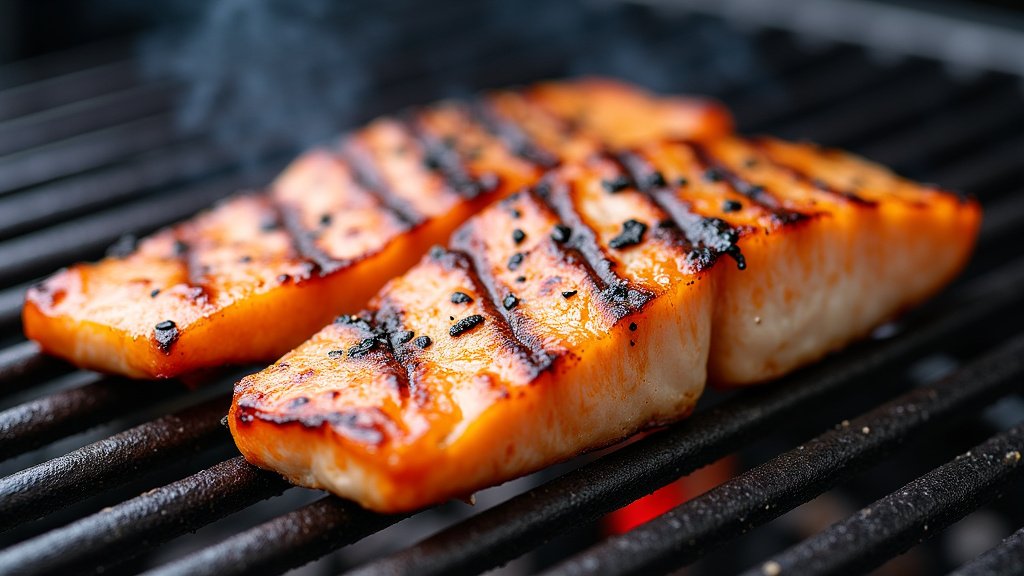
- Clean & Hot Grates: Always start with spotless, preheated grates.
- Oil Everything: Generously oil your grates and your fish.
- Right Fish, Dry Fish: Choose firm fish and pat it very dry.
- Medium-High Heat: Ensure your grill is at the ideal temperature (400-450°F).
- Don’t Flip Too Soon: Let that crust develop for easy release.
Conclusion
You now have all the tools to grill fish like a pro without any frustrating sticking. Remember, it’s about a few simple steps done right: a clean, hot, and oiled grill, the right fish prepared properly, and knowing when to let it cook. We found that attention to these details makes all the difference.
Don’t be afraid to experiment with different fish types and seasonings. With this guide, you’re ready to enjoy perfectly grilled, flaky fish every time. Your next delicious, intact fillet awaits!
Frequently Asked Questions
Can I use cooking spray instead of oiling the grates with a paper towel?
While convenient, cooking sprays often contain propellants and can create a sticky residue over time. We found that manually oiling with a high smoke point oil and a paper towel provides a more even and effective non-stick barrier.
How do I know my fish is fully cooked without a thermometer?
The best way is with an instant-read thermometer, aiming for 145°F. If you don’t have one, fish is generally done when it easily flakes with a fork at its thickest part and appears opaque throughout. Avoid overcooking, which can dry it out.
What if I only have delicate fish like cod? Can I still grill it without a basket?
Yes, but it requires extra care. Ensure your grates are impeccably clean and well-oiled. Keep the skin on if possible, as it acts as a protective layer. You’ll need a very thin, wide spatula and extreme patience before the first flip.
Does marinating fish affect sticking?
It can. Marinades often contain sugars or acids that can burn or break down the fish, leading to sticking. If using a marinade, make sure to pat the fish very dry before grilling and apply a fresh coat of oil just before it hits the grates.
My fish still stuck a little even after following these tips. What did I do wrong?
Don’t get discouraged! We found that sometimes it’s about grill temperature uniformity or not quite enough oil. Double-check that your grill is consistently hot across the grates and ensure you’re using enough high-smoke-point oil on both the grates and the fish.
