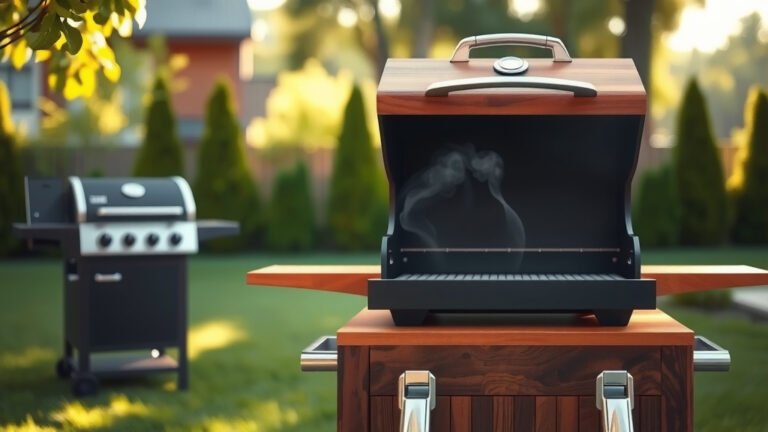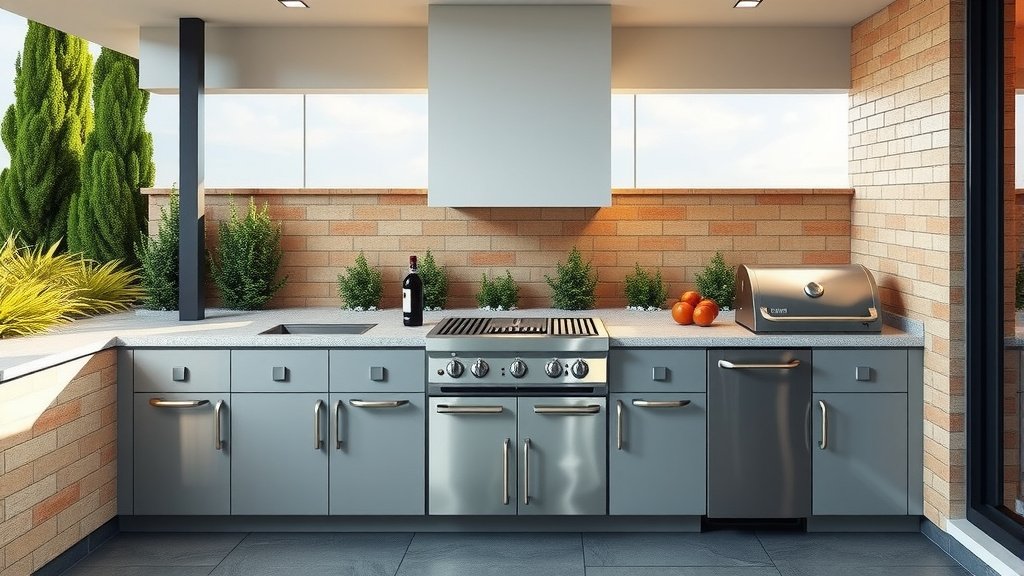
Building a built-in BBQ grill involves creating a sturdy, weather-resistant outdoor kitchen island designed to house your chosen grill head permanently. This project typically requires planning for utilities, framing, and finishing with durable materials.
You can build a built-in BBQ grill by first picking the right location, then establishing a strong foundation, constructing a robust frame, adding necessary utility connections, and finally cladding it with appealing, weather-proof materials.
- Get started building your built-in BBQ grill by planning its ideal spot and measuring carefully.
- Choose a grill head and secure a stable, level foundation for your outdoor kitchen.
- Construct a durable frame using steel studs or concrete block, ready for utilities.
- Connect gas and electrical lines, always following local safety codes.
- Finish your grill island with attractive, weather-resistant stone, stucco, or tile for a beautiful look.
How To Build A Built In BBQ Grill?
Building a built-in BBQ grill transforms your backyard into a fantastic outdoor cooking oasis. It gives you a dedicated space to entertain, making every cookout feel special.
Many homeowners dream of this project, and it is definitely achievable with careful planning and the right steps. Are you ready to create a stunning outdoor kitchen?
Planning Your Dream Grill Station
Before any tools come out, good planning is your first ingredient for success. Think of it as mapping out your culinary adventure. We found that a solid plan saves headaches later (Home Depot).
Choosing the Perfect Spot
Where will your built-in BBQ grill live? Pick a spot that is convenient but also safe. You want it away from flammable structures, like wooden fences or your house siding.
Consider the wind direction, too. Nobody wants smoke blowing into their guests’ faces. Think about access to your indoor kitchen for supplies.
Selecting Your Grill Head
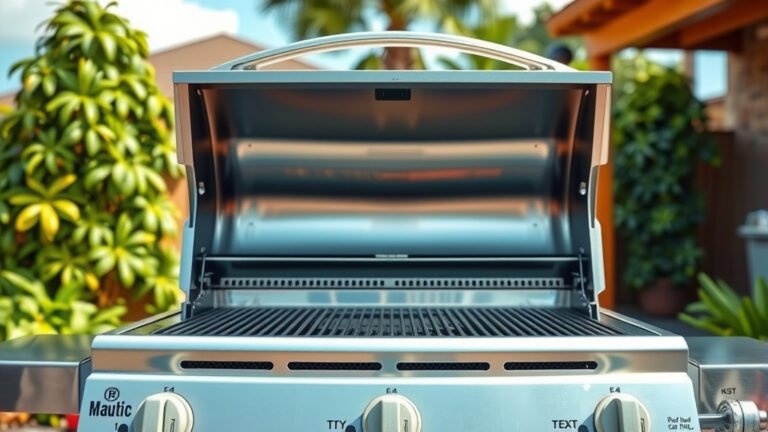
This is the heart of your built-in BBQ grill. Do you prefer gas, charcoal, or even a smoker insert? We found that stainless steel grill heads are very popular for their durability.
Measure your chosen grill head precisely. The cutout dimensions are critical for a perfect fit into your custom island. Don’t guess here; exact numbers are your friends.
Materials Matter: What Will You Build With?
Your choices here affect both looks and longevity. We often see concrete blocks, stucco, stone, or even steel framing used. Each has its pros and cons.
Concrete blocks offer great stability and are fire-resistant. Steel studs provide a lightweight yet strong framework. Consider what fits your aesthetic and budget.
Laying the Foundation for Your Built-In BBQ Grill
Just like baking a cake, a good foundation is non-negotiable. This base will support the entire weight of your grill island. Skipping this step can cause big problems later.
Pouring a Concrete Slab
A level, sturdy concrete slab is generally the best base for your grill. Many experts say a minimum of 4 inches thick is wise (The Concrete Network).
Ensure it extends slightly beyond the footprint of your planned island. This prevents settling and provides a stable surface for building.
Framing Your Outdoor Kitchen
Now, let’s give your built-in BBQ grill some structure. This is where your island starts to take shape. It’s like creating the skeleton before adding the skin.
Building the Frame
Whether you use concrete blocks or steel studs, build your frame according to your grill head’s exact specifications. Pay close attention to the cutout for your grill.
If using steel studs, ensure they are outdoor-rated and rust-resistant. Secure them firmly to your concrete slab. We found that proper fastening prevents shifting.
- Choose outdoor-rated materials for the frame.
- Measure twice, cut once for grill cutout.
- Ensure the frame is plumb and level.
- Create openings for access doors and utilities.
- Secure all frame components tightly.
Connecting Utilities for Your Grill
This part needs careful attention to safety. If you’re unsure, please consult a licensed professional. Improper connections can be unsafe.
Gas Line Installation
For a gas grill, you will need a dedicated gas line. Many guidelines point to a licensed plumber handling this job (National Fire Protection Association).
They will ensure the line is correctly sized, properly vented, and leak-free. Safety checks are not something to skip here.
Electrical Connections (If Needed)
Does your grill have a rotisserie or lights? You might need an electrical outlet. Ensure all wiring is outdoor-rated and GFI protected.
Again, if electrical work makes you nervous, bring in a certified electrician. It’s always best to be safe than sorry.
Finishing Your Built-In BBQ Grill
This is where your vision truly comes to life. The cladding makes your island look amazing and protects the internal structure.
Applying Stone, Stucco, or Tile
Choose materials that can withstand outdoor conditions. Stone veneers, stucco, or porcelain tiles are popular for their durability and looks.
Apply your chosen finish neatly and securely. Remember to create clean cutouts for your grill, access doors, and any other features.
| Material Type | Pros | Cons |
|---|---|---|
| Concrete Block | Very strong, fire-resistant, stable | Heavy, labor-intensive, needs mortar |
| Steel Studs | Lightweight, resistant to rot, precise | Requires specific cutting tools, may need special fasteners |
| Stucco | Cost-effective, versatile colors, smooth finish | Can crack, requires proper application, might need sealing |
| Stone/Tile | Durable, beautiful, premium look, fire-resistant | Higher cost, requires specialized installation, heavy |
Installing Access Doors and Countertops
Access doors provide storage and easy reach to your gas lines. Choose outdoor-rated stainless steel doors for longevity. They keep critters out and look sleek.
For countertops, consider granite, concrete, or stainless steel. These materials are weather-proof and easy to clean. You want a surface that can handle spills and heat.
Final Checks and Testing Your Grill
You’re almost there! Before the first burger hits the grates, run through a few checks. This ensures everything is safe and ready.
Check all gas connections for leaks using soapy water. Listen for the satisfying click of your igniter. Make sure access doors open smoothly. You want everything working perfectly.
Maintaining Your Outdoor Kitchen
A little care goes a long way in keeping your built-in BBQ grill looking new. Regular cleaning prevents grease buildup and keeps the surfaces pristine.
Cover your grill head when not in use. Wipe down your countertops and cladding. We found that consistent upkeep greatly extends your grill island’s life.
Conclusion
Building a built-in BBQ grill can truly elevate your outdoor living. It is a project that brings together careful planning, hands-on work, and attention to detail. From choosing your spot to picking the perfect stone, each step contributes to your custom cooking space.
You are creating more than just a place to cook; you are building memories. With patience and good resources, your backyard will be the envy of the neighborhood. Happy grilling!
How much does it cost to build a built-in BBQ grill?
The cost to build a built-in BBQ grill can vary widely, typically ranging from $2,000 to over $10,000. Factors like the grill head’s quality, material choices for the island, and whether you hire professionals for gas or electrical work will all influence the final price.
Can I build a built-in BBQ grill myself, or do I need a professional?
You can definitely build the structural part of a built-in BBQ grill yourself if you have basic construction skills and patience. However, many experts suggest hiring licensed professionals for critical utility connections, such as gas and electrical lines, to ensure safety and compliance with local codes.
What is the best material for a built-in BBQ grill island?
The best material for a built-in BBQ grill island often depends on your budget, aesthetic preference, and local climate. Concrete blocks offer excellent durability and fire resistance, while steel studs provide a strong, lighter frame. For exterior finishes, stone veneers, stucco, and porcelain tiles are popular for their weather resistance and visual appeal.
How long does it take to build a built-in BBQ grill?
The time it takes to build a built-in BBQ grill varies based on the complexity of your design and your building experience. A simple island might take a few weekends, while a more elaborate setup with multiple features and professional utility hookups could stretch over several weeks, especially factoring in concrete curing times.
What safety considerations are important for a built-in BBQ grill?
Safety is paramount when building a built-in BBQ grill. Ensure proper clearances from flammable materials, use outdoor-rated construction materials, and always have gas and electrical lines installed by licensed professionals. Proper ventilation within the island and easy access to shut-off valves are also very important to consider.