
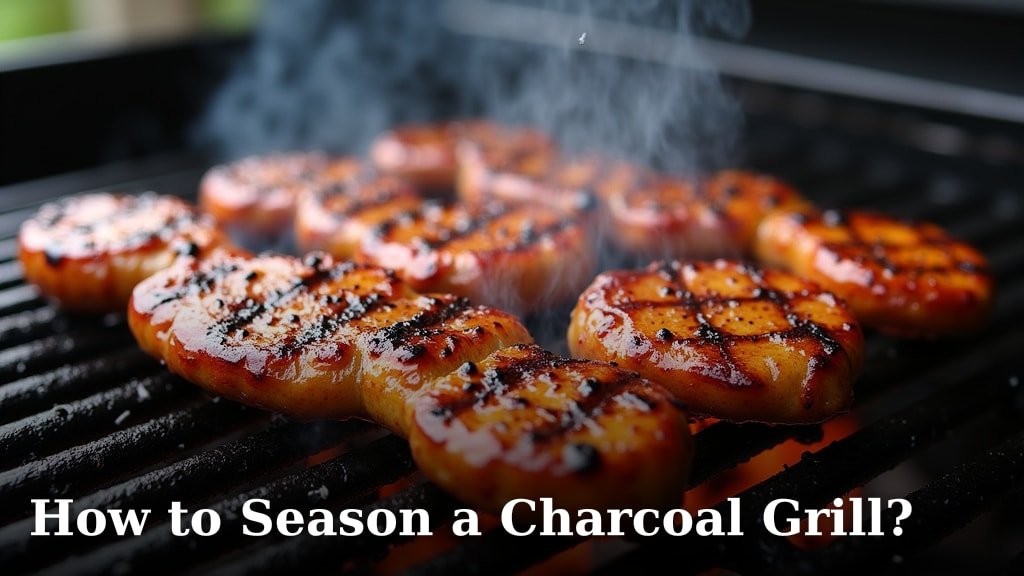
The easiest way to season a charcoal grill is by applying a thin layer of high smoke point oil and then heating the grill to a moderate temperature. This process creates a protective, non-stick surface on your grill grates. You’ll thank yourself later for taking this important first step.
Seasoning helps prevent rust and stops food from sticking to your grates. It builds up over time, just like a cast-iron pan. A well-seasoned grill makes for a much better cooking experience and lengthens your grill’s life.
- Wipe your grates with high smoke point oil.
- Heat the grill to cure the oil.
- Repeat for best results.
- Maintain seasoning after each use.
Ready to get started? Let’s walk through exactly how to get your charcoal grill perfectly seasoned for years of delicious grilling.
Getting Your Charcoal Grill Ready to Season
Before you even think about oil, you need a clean grill. Just like painting a wall, preparation is key. A clean surface helps the seasoning bond better and last longer.
Clean Your Grill Grates Thoroughly
First things first, make sure your grill is free of old food bits and ash. This is super important. We want a fresh start, right?
Wire Brushing and Scrapers
Use a sturdy wire brush to scrub away any cooked-on residue. Get into all the nooks and crannies. For really stubborn spots, a grill scraper can work wonders. Many grill masters will tell you a good scraping saves a lot of hassle later.
Soap and Water Wash
After brushing, wash the grates with warm, soapy water. Use a dish soap that cuts through grease. Rinse them very well. You don’t want any soap residue remaining. This step ensures a truly clean surface for the seasoning to adhere to.
Completely Dry the Grates
Pat the grates dry with a towel. Then, let them air dry completely. Moisture is the enemy of seasoning and the friend of rust. Make sure there’s no water left before moving on. Sometimes, putting them in the sun for an hour works great.
Choosing the Right Oil for Seasoning Your Grill
Not all oils are created equal for seasoning. You need an oil with a high smoke point. This means it can get very hot without burning and turning into a sticky mess. Think about what you’d use for high-heat cooking.
| Oil Type | Smoke Point | Best Use for Seasoning |
|---|---|---|
| Avocado Oil | 520°F (271°C) | Excellent; very high smoke point, neutral flavor. |
| Grapeseed Oil | 420°F (216°C) | Great choice; good smoke point, light flavor. |
| Canola Oil | 400°F (204°C) | Good and affordable; common choice for seasoning. |
| Vegetable Oil | 400°F (204°C) | Similar to canola; widely available and effective. |
| Flaxseed Oil | 225°F (107°C) | Avoid; too low smoke point, burns easily. |
| Olive Oil (Extra Virgin) | 375°F (191°C) | Avoid; too low smoke point, can leave bitter residue. |
As you can see, oils like olive oil or butter have low smoke points. They will just burn and create a carbonized layer that tastes awful. Stick to the high smoke point oils for the best results, like avocado or grapeseed oil (USDA, FoodData Central).
The Step-by-Step Seasoning Process
Now for the main event! This process is straightforward. Patience is a virtue here; don’t rush it. You’re building a foundation for future grilling success.
Applying the Oil
Once your grates are sparkling clean and dry, it’s time to coat them. Less is more with oil application.
Thin and Even Coating
Pour a small amount of your chosen high smoke point oil onto a paper towel or a clean cloth. Rub a very thin, even layer over all surfaces of the grill grates. Don’t glob it on! You want just enough oil to cover the metal without dripping. If you see streaks, you’ve used too much oil. Wipe it down again.
Heating and Curing the Oil
This is where the magic happens. The heat polymerizes the oil, creating that desirable non-stick layer.
Getting Your Grill Hot
Place the oiled grates back into your charcoal grill. Close the lid. Now, ignite your charcoal. You’ll want to get the grill to a moderate temperature, usually around 350-400°F (175-200°C). Maintain this temperature for about 30-45 minutes. You might see some smoke, which is normal as the oil cures.
Let it Cool Down Naturally
After the heating period, turn off the heat source (or let the coals die down). Allow the grill grates to cool down completely inside the grill. This slow cooling helps the seasoning set properly. Rushing this step can make the seasoning less durable.
Repeat for Optimal Results
Think of seasoning like building muscle. One workout isn’t enough, right? The same goes for your grill. Many experts suggest doing this process at least 2-3 times. Each layer adds to the protective, non-stick coating.
- Wipe on a thin layer of oil.
- Heat to 350-400°F for 30-45 minutes.
- Let cool completely.
- Repeat two more times for a total of three coats.
- Your grates should now look darker and have a slight sheen.
This repeated process creates a robust, more durable seasoning. You’ll notice a significant difference in how your food cooks and releases.
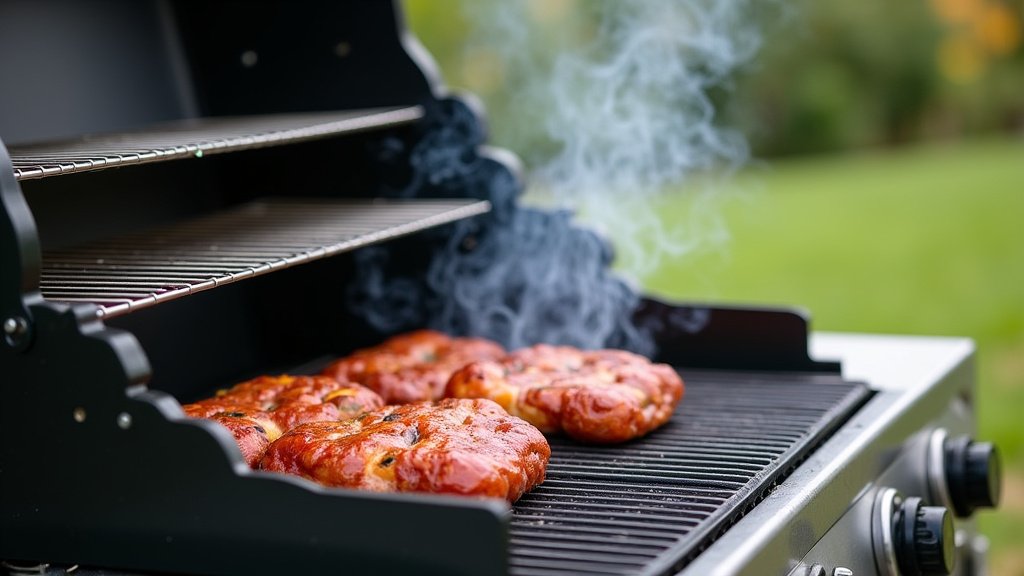
Maintaining Your Grill’s Seasoning
Seasoning isn’t a one-and-done deal. It’s an ongoing relationship. A little care after each use goes a long way. This keeps your grill performing its best for years.
Post-Grilling Care
After you’re done cooking, while the grates are still warm (but not scorching hot), gently scrape off any stuck-on food. A brass brush is often recommended here, as it’s gentler than steel. Then, apply another very thin coat of your high smoke point oil. A light re-oiling after each cook helps maintain and build up the seasoning.
Proper Storage for Longevity
Store your charcoal grill in a dry place. If it’s outside, use a good quality grill cover. This protects it from rain, dew, and dust. Keeping your grill dry prevents rust, which can quickly ruin your seasoning efforts. A well-covered grill means less maintenance for you in the long run.
Troubleshooting Common Seasoning Issues
Sometimes, things don’t go perfectly. We understand. Don’t worry, most common seasoning problems have simple fixes.
Sticky Grates After Seasoning
If your grates feel sticky, it likely means you used too much oil during the seasoning process. The excess oil didn’t polymerize properly. The solution? Clean the grates thoroughly with soap and water to remove the sticky residue. Then, re-season, making sure to apply an even thinner layer of oil. Really, a tiny bit of oil is all you need.
Rust Spots Appearing
Rust happens, especially if your grill is exposed to moisture. If you see rust spots, tackle them right away. Scrub the rust off with a wire brush, then clean the area. Dry it completely and re-season that spot. Regular maintenance and proper storage are your best defense against rust. Think of it as a small repair, not a big problem.
Conclusion
Seasoning your charcoal grill might seem like an extra step, but it’s truly an investment in your grilling future. By cleaning thoroughly, choosing the right oil, and applying those crucial coats, you’re building a foundation for incredible flavor and a grill that stands the test of time. Remember, a little ongoing care after each cook keeps that protective layer strong. You’ll experience less sticking, zero rust, and ultimately, more enjoyment around the coals. So, get those grates ready; your next delicious outdoor meal awaits!
Frequently Asked Questions
How often should I season my charcoal grill?
You should perform the initial seasoning, ideally 2-3 coats, when your grill is brand new or anytime you’ve given it a deep clean. After that, lightly re-oiling your grates after every use helps maintain and build up the seasoning over time. Think of it as a continuous process.
Can I use cooking spray to season my grill?
It’s generally better to avoid cooking sprays for initial seasoning. They often contain propellants and additives that can burn off or leave a sticky residue. Stick to pure, high smoke point oils applied with a cloth for the best and most durable seasoning.
What if my grill already has some rust? Can I still season it?
Yes, but you need to address the rust first. Thoroughly scrub off all rust spots with a wire brush, then clean and dry the grates completely. Once all rust and debris are gone, proceed with the seasoning process as usual. Regular maintenance will prevent future rust.
Is it okay if the grill smokes a lot during the seasoning process?
Some smoke is completely normal, especially during the initial heating phase as the oil polymerizes. If there’s excessive, acrid smoke, you might have used too much oil. Ensure you’ve applied only a very thin, even layer to prevent excessive smoking.
Does seasoning my charcoal grill really make food taste better?
While seasoning primarily prevents sticking and rust, a well-seasoned surface can indirectly improve flavor. Food releases more easily, leading to better caramelization and a cleaner taste because you’re not scraping off burnt-on bits. It definitely enhances the overall grilling experience!
