
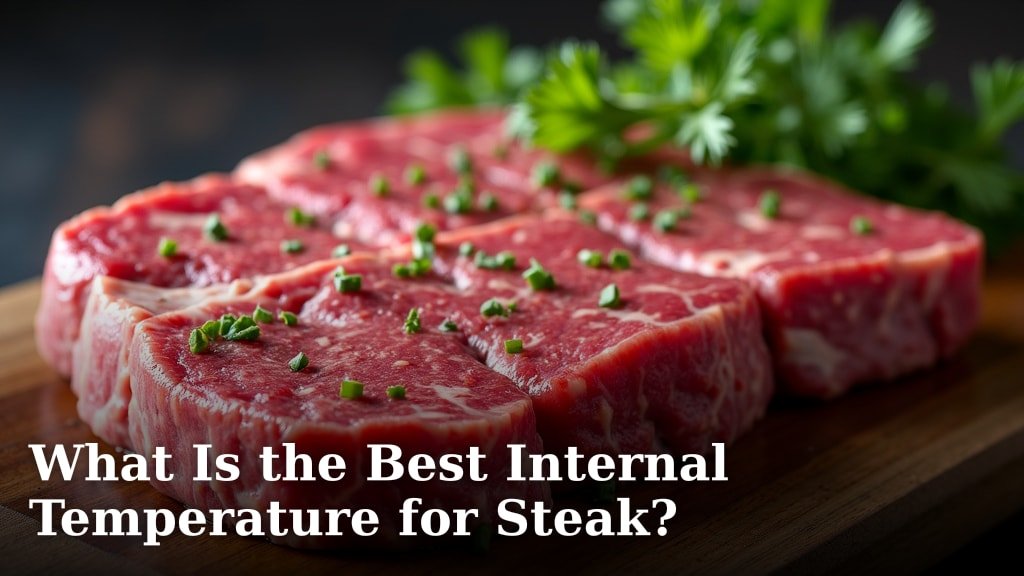
The best internal temperature for steak depends on how
Understanding Optimal Steak Temperature
The best internal temperature for your steak depends entirely on your preferred doneness level. From rare to well-done, each stage has a specific temperature range. Knowing these temperatures helps you cook your steak perfectly every time.
You’re aiming for a balance of tenderness, juiciness, and flavor. A meat thermometer is your best friend here. It takes the guesswork out of cooking. We found that most home cooks achieve better results by using one.
Why Temperature Matters So Much
Cooking steak is a science. When you heat meat, its proteins change. These changes affect the steak’s texture and how juicy it is. Too little heat, and it’s still raw. Too much, and it becomes tough and dry.
Think of it like baking a cake. You wouldn’t pull it out too early or leave it in too long. Steak is similar. The right temperature ensures a delicious result. It makes all the difference in your dining experience.
The Science of Doneness
As steak cooks, connective tissues break down. Muscle fibers contract. This process releases moisture. At lower temperatures, more moisture stays in the steak, making it juicy. Higher temperatures push more moisture out.
The color also changes. Myoglobin, a protein, gives meat its red color. As it heats, it turns brown. This is why a rare steak is red and a well-done steak is brown. Each stage offers a different texture and flavor profile.
Your Steak Doneness Chart
Here’s a quick guide to help you hit your ideal steak temperature. Remember, these are the temperatures you want to reach while the steak is resting. We’ll discuss resting in a moment.
Many chefs agree that pulling your steak off the heat a few degrees before its target temperature is key. This accounts for carryover cooking. It’s a small but important detail.
| Doneness Level | Internal Temperature (Fahrenheit) | Appearance/Texture |
|---|---|---|
| Rare | 125-130°F | Cool red center, very juicy, soft texture. |
| Medium-Rare | 130-135°F | Warm red center, very tender, plenty of juices. |
| Medium | 135-140°F | Warm pink center, firmer, still juicy. |
| Medium-Well | 140-150°F | Slightly pink center, firm, less juicy. |
| Well-Done | 150°F and up | Little to no pink, very firm, minimal juice. |
This table gives you a clear target. Keep it handy while you cook. It’s a great tool for consistency.
Understanding Carryover Cooking
What is carryover cooking? It’s when your steak continues to cook after you remove it from the heat. The outside of the steak is hotter than the inside. This residual heat moves inward, raising the internal temperature.
For most steaks, the temperature can rise by 5-10 degrees Fahrenheit during resting. So, if you want a medium-rare steak at 130°F, you might pull it off the heat at 120-125°F. This small adjustment makes a big difference.
Tools for Accurate Temperature Reading
You can’t eyeball steak temperature. You need the right tools. A reliable meat thermometer is essential. There are a few types to consider, each with pros and cons.
Don’t guess; measure. It’s the only way to consistently achieve your desired doneness. Many failed steaks are due to a lack of accurate temperature reading.
Types of Meat Thermometers
- Instant-Read Thermometer: These are popular. They give a quick reading, often in 2-5 seconds. You insert the probe into the thickest part of the meat. Many chefs prefer them for their speed.
- Leave-In Thermometer: You insert this thermometer before cooking and leave it in. It has a heat-safe probe that connects to a display outside the oven or grill. Great for roasts or longer cooks.
- Wireless Thermometer: A more advanced version of the leave-in thermometer. It sends temperature data to your phone or a separate receiver. This lets you monitor your steak without constantly checking it.
Which one is best for you? For most home cooks making steaks, an instant-read thermometer is perfect. It’s affordable and effective.
How to Use Your Thermometer Correctly
Using a thermometer is simple, but there’s a trick to it. Always insert the probe into the thickest part of the steak. Avoid touching bone or fat pockets, as these can give inaccurate readings.
For thin steaks, insert the probe horizontally. Make sure the tip of the probe is in the very center. Take several readings in different spots if you’re unsure. Accuracy is your goal.
The Importance of Resting Your Steak
You’ve cooked your steak to perfection. Now, resist the urge to cut into it right away! Resting is a non-negotiable step. It’s just as important as the cooking itself.
Why rest? It allows the juices to redistribute throughout the meat. If you cut into it too soon, those delicious juices will run out onto your cutting board. This leaves you with a dry steak.
How Long Should You Rest Steak?
The general rule is to rest your steak for at least 5-10 minutes. For larger cuts, like a thick ribeye or a roast, you might need 15-20 minutes. A good rule of thumb is 1 minute of resting time per inch of thickness.
You can cover it loosely with foil. This helps keep it warm. Don’t wrap it tightly, or you’ll steam it. We found that covering it with foil allows for proper resting without overcooking.

Factors Affecting Steak Temperature
Several things can influence how your steak cooks and how quickly it reaches temperature. Knowing these helps you adjust your cooking strategy.
Think of it as fine-tuning your cooking process. Every steak is a little different, even from the same cut.
Steak Thickness and Cut
A thicker steak will take longer to cook than a thinner one. This might seem obvious, but it’s important for timing. A 2-inch thick ribeye needs more time than a 1-inch thick sirloin.
Different cuts also cook differently due to fat content and muscle structure. A leaner cut like a flank steak will cook faster than a well-marbled prime rib. Adjust your cook time accordingly.
Starting Temperature of the Steak
Always let your steak come to room temperature before cooking. Take it out of the fridge about 30 minutes to an hour before you plan to cook it. This ensures more even cooking.
A cold steak will cook unevenly. The outside might burn before the inside reaches your desired temperature. This simple step can greatly improve your results. We found this to be a common recommendation among culinary experts (Cook’s Illustrated).
Cooking Method Used
Are you grilling, pan-searing, broiling, or reverse-searing? Each method transfers heat differently. This affects cooking time and how much carryover cooking you’ll experience.
- Grilling: High, direct heat. Cooks quickly.
- Pan-Searing: High heat, often followed by oven finishing.
- Broiling: Intense overhead heat. Great for a quick crust.
- Reverse-Searing: Low oven heat first, then a quick sear. This method is excellent for even doneness throughout.
Understanding your cooking method helps you predict how your steak will behave. It allows for better temperature control.
Your Steak Cooking Checklist
To summarize, here’s a quick checklist to help you cook your steak to perfection. Follow these steps for a consistently delicious meal.
- Choose your desired doneness level from the chart.
- Take steak out of the fridge 30-60 minutes before cooking.
- Use a reliable meat thermometer. Instant-read is often best.
- Cook until 5-10°F below your target temperature.
- Rest your steak, covered loosely, for 5-10 minutes.
- Slice and enjoy your perfectly cooked steak!
Following these steps will help you achieve steakhouse-quality results at home. It’s all about precision and patience.
Conclusion
Achieving your ideal steak doneness is completely within your reach. We’ve explored the science behind temperature and why it matters so much. From understanding carryover cooking to using the right thermometer, precision is key. Remember, a perfectly cooked steak enhances flavor and juiciness.
You now have the tools and knowledge to consistently cook steak just the way you like it. Don’t be afraid to experiment a little and trust your thermometer. Your next steak dinner can be a culinary triumph.
Frequently Asked Questions
Is it safe to eat rare or medium-rare steak?
Yes, it is generally safe to eat rare or medium-rare steak in the US. The main concern with undercooked meat is bacteria on the surface. Steaks are usually seared on the outside, which kills surface bacteria. The internal temperature for rare (125-130°F) is high enough to be safe for most people.
How do restaurants get their steak so perfectly cooked?
Restaurants achieve perfectly cooked steaks through a combination of high-quality meat, precise temperature control, and proper resting. They often use high-BTU (British Thermal Unit) broilers or grills for a strong sear. Additionally, their chefs are expertly trained in using thermometers and understanding carryover cooking.
Can I still cook a good steak without a meat thermometer?
While possible, cooking a good steak without a meat thermometer is much harder and less consistent. Experienced cooks might use touch tests, but these are subjective. We highly recommend investing in an instant-read thermometer for reliable results every time. It takes the guesswork out of the process.
What happens if I overcook my steak?
If you overcook your steak, it will become tough, dry, and lose much of its flavor. The muscle fibers contract too much, squeezing out precious juices. This can turn a premium cut of meat into a disappointing meal. Precision in temperature is important to avoid this.
Should I let my steak rest at room temperature or cover it?
After cooking, you should rest your steak loosely covered with foil. This helps maintain warmth without steaming the crust you’ve worked hard to achieve. Letting it rest uncovered will cause it to cool down too quickly, and resting it tightly covered can make it soggy. We found that a loose tent of foil is ideal.
