
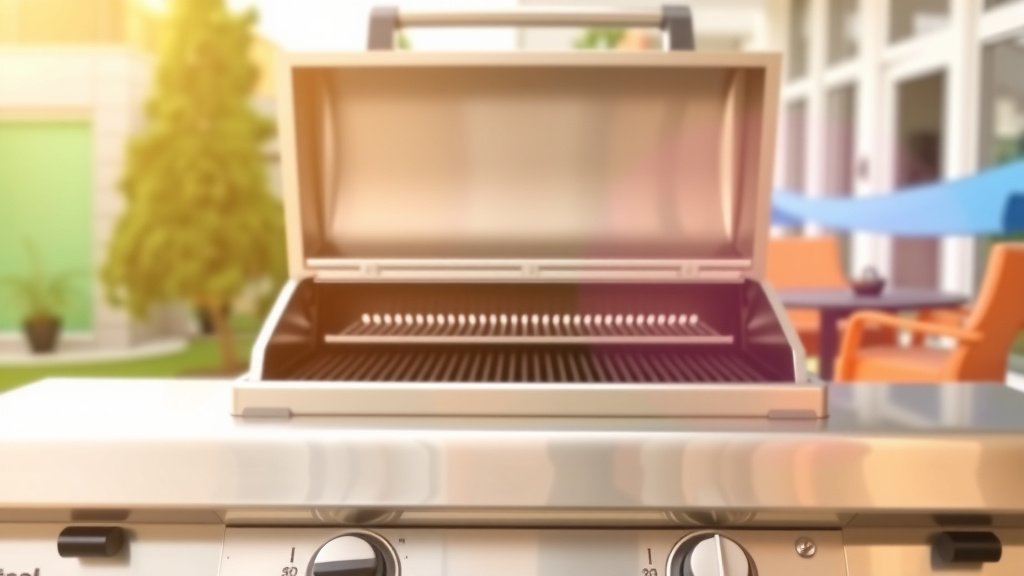
Operating a propane grill involves connecting the tank, checking for leaks, igniting the burners, and controlling the heat for safe and delicious grilling.
To safely operate a propane grill, always start with an open lid, turn on the gas slowly, and preheat before placing food.
Here’s what you’ll find in this guide:
- Always inspect your grill and propane tank for safety before starting.
- Connect your tank, open the valve slowly, and perform a quick leak test.
- Light your grill with the lid open, then preheat to your desired temperature.
- Manage heat by adjusting burner controls for perfect cooking.
- Clean your grill after each use to keep it ready for the next delicious meal.
How To Operate Propane Grill?
To operate a propane grill, you connect the gas tank, open the lid, turn on the gas, ignite the burners, and adjust the heat for cooking.
Always ensure proper ventilation and check for gas leaks before lighting your grill.
Imagine you’re setting up for a great barbecue. You want everything to go smoothly, right? Getting your propane grill ready is simpler than you might think.
We’ll walk through each step to help you become a confident grill master, ensuring both safety and amazing food.
Safety First: A Griller’s Golden Rule
Before you even think about lighting a flame, safety is your best friend. A quick check can save a lot of trouble and keep your outdoor cooking fun.
Many experts say that taking a few moments for safety checks prevents most grilling incidents (National Fire Protection Association).
Inspecting Your Grill
Before each use, take a moment to look over your grill. Are the hoses in good condition? You want to see no cracks or wear on the gas lines.
Make sure the grill itself is clean. Built-up grease can cause unwanted flare-ups, which nobody wants when cooking.
Propane Tank Safety
Your propane tank needs attention too. Check for any dents or rust on the tank body.
Is the tank valve free from debris? Keeping it clean helps ensure a proper connection every time.
Connecting Your Propane Tank
This step is where your grill gets its fuel. It’s important to do it correctly to avoid any gas leaks.
Align the tank’s valve with the regulator on your grill. Twist the connector clockwise until it feels tight.
The Leak Test
How do you know if you have a gas leak? This simple trick is a must-do before every grilling session, especially after changing a tank.
Mix a little dish soap with water to create a bubbly solution. Brush this solution over all the connections where gas flows.
If you see bubbles forming and growing, you have a leak. Tighten the connection or replace the hose if needed, and do not light the grill.
Lighting Your Propane Grill
Now for the exciting part! Getting that flame going is the signal that delicious food is on its way.
First, always open the grill lid. This is a vital safety step to prevent gas from building up inside.
Next, turn the propane tank valve all the way open, slowly. This allows the gas to flow steadily.
Then, turn one burner control knob to “High” or “Light.” Press the igniter button if your grill has one, or use a long lighter.
Once that first burner lights, turn on the other burners. Close the lid and let the grill preheat for 10-15 minutes.
What If It Doesn’t Light?
Don’t panic if your grill doesn’t light on the first try. It happens!
Turn off the burner controls and the propane tank. Wait a few minutes for any gas to dissipate.
Then, repeat the lighting process. If it still doesn’t light, check your igniter battery or ensure the gas flow is clear.
Managing Heat and Temperature Control
Cooking on a grill is all about heat management. You’re not just turning it on; you’re conducting an orchestra of flavors.
Different foods need different temperatures. Learn to use your grill’s knobs to create hotter and cooler zones.
Direct vs. Indirect Heat
Direct heat is when food sits right over an lit burner. This is best for searing steaks or quick-cooking items like burgers.
Indirect heat means cooking food away from the flame. You might turn off a middle burner, for example. This is perfect for larger roasts or anything that needs slower cooking.
Grilling Different Foods
Knowing the right temperature for what you’re cooking makes all the difference. Think of your grill as a versatile oven with smoky flavor.
Research often connects specific temperatures with food safety and taste (USDA).
| Food Item | Target Grill Temperature | Cooking Method |
|---|---|---|
| Steaks | 450-550°F (High) | Direct (Sear) |
| Burgers | 375-450°F (Medium-High) | Direct |
| Chicken Pieces | 350-400°F (Medium) | Indirect then Direct (if needed) |
| Pork Chops | 375-450°F (Medium-High) | Direct |
| Vegetables | 350-400°F (Medium) | Direct/Indirect |
Post-Grill Care: Cleaning Your Grill
Once the food is cooked and enjoyed, don’t forget your grill! Cleaning it while it’s still warm is much easier and keeps it ready for the next time.
A clean grill prevents food from sticking and reduces the risk of future flare-ups from old grease.
Essential Cleaning Steps
Keeping your grill tidy extends its life and ensures better cooking results. Here’s a quick checklist:
- Turn off all burners and the propane tank.
- Let the grill cool down slightly, but still warm.
- Scrape the grates with a wire brush or grill tool.
- Empty the grease tray or drip pan regularly.
- Wipe down the exterior surfaces of the grill.
Common Propane Grill Problems and Solutions
Even with good care, you might run into a snag or two. Knowing how to troubleshoot helps you quickly get back to grilling.
Many experts we found agree that understanding common issues makes grilling less stressful.
Flare-Ups: What To Do
A flare-up is when grease drips onto the flames, causing a sudden burst of fire. It can be startling, but don’t panic.
First, move your food away from the direct flames to a cooler part of the grill. Close the lid for a moment to starve the fire of oxygen.
If it continues, turn off the burner directly under the flare-up. Never spray water on a grease fire.
Conclusion
Operating a propane grill is a straightforward process once you know the steps. From proper setup and safety checks to lighting and temperature control, each stage contributes to a great grilling experience.
Remember to always prioritize safety, keep your grill clean, and don’t be afraid to experiment with different cooking techniques. You’re now ready to fire up your grill and enjoy countless delicious meals outdoors!
What is the first thing I should do before lighting my propane grill?
Before lighting your propane grill, always open the lid. This prevents any gas from accumulating inside, which is a crucial safety measure.
How do I know if my propane tank is connected correctly without a leak?
Perform a leak test by applying a solution of soapy water to the connections. If you see bubbles forming and growing, there’s a leak, and you’ll need to tighten the connection or check the hose.
Can I use my propane grill if the igniter isn’t working?
Yes, you can still light your propane grill if the igniter isn’t working. Simply turn on the gas to one burner with the lid open, then use a long-stem lighter or match to ignite it manually.
How long should I preheat my propane grill?
Most propane grills should be preheated for about 10-15 minutes with the lid closed after lighting. This allows the grates to get hot enough for proper searing and cooking.
What’s the best way to clean grill grates after cooking?
The best way to clean grill grates is to do it while they are still warm, but not scorching hot. Use a sturdy wire brush or a specialized grill cleaning tool to scrape off any cooked-on food bits and grease.
