

Your grill smoking too much is usually a sign of grease buildup or food debris burning off. It’s a common issue that can turn your cookout into a smoke signal. The good news is, it’s often an easy fix. Most of the time, this excessive smoke means it’s time for a good grill cleaning.
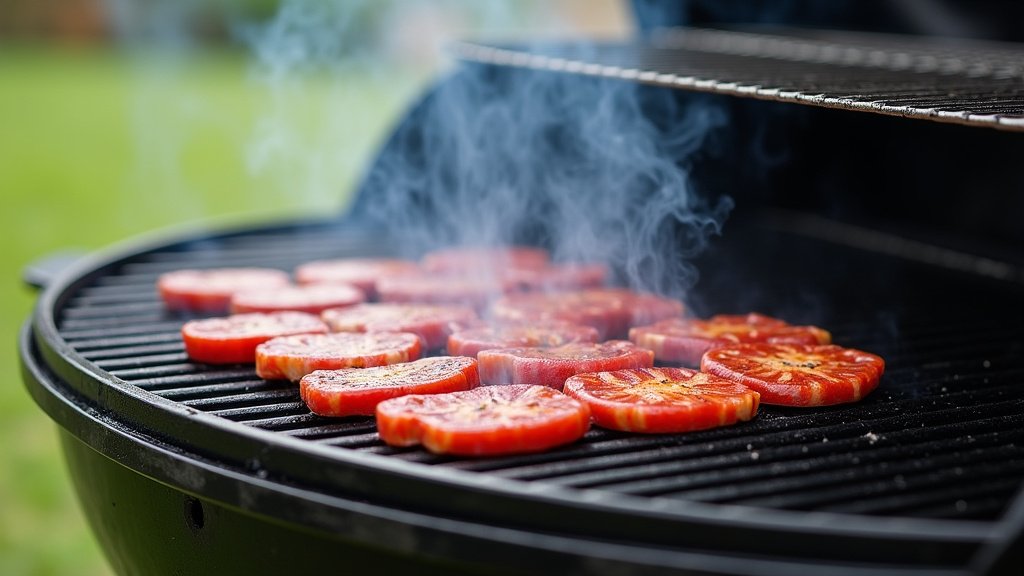
Excess smoke can also happen if you’re cooking foods with high fat content, like pork belly or bacon. Sometimes, flare-ups are just part of grilling, but constant, thick smoke is a different story. Understanding why it’s happening helps you get back to enjoying your perfectly grilled meals without choking on fumes. We’ve looked into the common culprits behind smoky grills.
- Grease and food bits burning.
- High-fat foods causing flare-ups.
- A dirty grill is a smoking grill.
- Quick cleaning can solve most problems.
Let’s break down why your grill might be smoking more than usual and what you can do about it.
Is your grill puffing out more smoke than a dragon after a spicy meal? Don’t worry, you’re not alone. That excessive smoke isn’t just annoying; it can also ruin the flavor of your food. It often points to a few common issues that are usually easy to fix.
Troubleshooting Your Grill’s Smoke Signals
When your grill starts smoking excessively, it’s usually trying to tell you something. Most of the time, it’s a simple message: it’s time for some attention. Let’s figure out what’s causing all that extra haze.
The Usual Suspects: Grease and Debris
The most common reason for a smoky grill is **food debris and grease buildup**. When you grill, especially fatty meats, grease drips down. This grease can accumulate on the grates, heat deflectors, or even the bottom of your grill. Then, when you fire it up again, this buildup heats up and burns, creating a lot of smoke. It’s like pouring water on a grease fire, but with smoke instead of flames. This burned-off gunk can also leave an unpleasant, acrid taste on your food. Many grill masters find that a clean grill is a happy grill.
Where Does the Grease Hide?
Grease loves to hide in all sorts of places. It can drip through the grates and land on the flavorizer bars (those V-shaped metal pieces on gas grills) or heat tents (on charcoal grills). It can also build up on the underside of the grill lid. Over time, this charred residue becomes a smoke-making machine. We found that regular cleaning can prevent this buildup from becoming a major issue. It’s much easier to wipe away a little grease than to scrape off a thick, hardened layer.
Food Bits Left Behind
Beyond grease, little bits of food can also get stuck on your grill. Think of those tiny pieces of steak or chicken skin that fall through the grates. When you reheat your grill, these bits char and smoke. They’re like tiny smoke bombs waiting to go off. Keeping your grates clean after every use is a good habit to build. It saves you from future smoky surprises.
Fatty Foods and Their Fiery Personalities
Some foods are just naturally more prone to causing smoke. High-fat items like bacon, pork belly, sausages, and even some cuts of beef can release a lot of fat as they cook. This fat then drips and sizzles, often causing more smoke and flare-ups than leaner options. It’s not that the grill is necessarily dirty, but the food itself is contributing to the smoke show. You might notice more smoke when cooking these items, especially at the beginning of the cook. This is normal to an extent, but excessive, constant smoke from these foods might still indicate a need for cleaning or better fat management.
Managing High-Fat Cooking
If you love grilling fatty cuts, there are ways to manage the smoke. Consider placing foods that produce a lot of fat towards the cooler side of your grill. This allows the fat to render slowly without directly hitting the hottest part of the grill. You can also try partially cooking these items indoors first. This renders some of the fat before they hit the grill, reducing smoke. Some grillers even use drip pans or foil packets to catch excess fat.
When Your Grill Needs a Deep Clean
If you’ve checked for food debris and are grilling leaner meats, but still have excessive smoke, it’s highly likely that your grill is simply **dirty**. A deep clean can work wonders. It removes the accumulated grime that’s become a permanent resident on your grill. Think of it like giving your grill a spa day. A clean grill not only smokes less but also cooks food more evenly and safely.
The Importance of Regular Maintenance
Grill manufacturers and grilling experts consistently recommend regular cleaning. Many guidelines suggest a light cleaning after each use and a deeper clean a few times a year, depending on how often you grill. For instance, the Cleveland Clinic often highlights the importance of cleaning cooking surfaces to prevent the spread of bacteria and improve food safety, which extends to preventing excessive smoke from residue.
What Does a Deep Clean Entail?
A deep clean typically involves several steps. You’ll want to remove the grates and clean them thoroughly. Then, you’ll need to scrape down the inside of the grill, including the lid and any heat deflectors. For gas grills, checking and cleaning the burners is also important. For charcoal grills, removing all the old ash is key. We found that tackling this every few months makes a big difference in performance and smoke levels.
Gas vs. Charcoal: Different Grills, Similar Smoke Causes
While the mechanics differ, the root causes of excessive smoke are often similar for both gas and charcoal grills. For gas grills, clogged burners or grease buildup on heat tents are common culprits. For charcoal grills, old ash accumulation and grease dripping onto the coals can be major smoke producers. Understanding your specific grill type helps you target your cleaning efforts effectively.
Gas Grill Specifics
On gas grills, grease can build up on the **flavorizer bars** or **heat tents**. These sit above the burners and vaporize drippings. If they’re caked with old grease, they’ll smoke more intensely. Burner ports can also get clogged with debris, leading to uneven heating and potential smoke issues. You might need to use a grill brush or a thin wire to clear these ports.
Charcoal Grill Specifics
Charcoal grills can suffer from old ash clogging the vents. Ash absorbs moisture, and when it heats up, it can produce steam and smoke. Not removing old ash also means less airflow, which can lead to hotter, smokier fires. Grease dripping onto the coals directly will also cause smoke. A thorough cleaning of the ash catcher is vital for good airflow and less smoke.
Quick Fixes for On-the-Spot Smoking
Sometimes, you’re mid-cook and suddenly your grill is smoking like crazy. Before you panic, try these quick fixes. Often, a little attention can tame the smoke without needing a full cleaning session right away. Think of it as emergency smoke control.
The Power of a Grill Brush
A good **grill brush** is your best friend. After preheating your grill, give the grates a good scrub. This often knocks off any loose debris that might be burning. Doing this before you put your food on, and even during cooking if needed, can make a big difference. It’s a simple step, but incredibly effective for immediate smoke reduction.
Managing Flare-Ups
Flare-ups are bursts of flame caused by fat dripping onto a hot surface. While some are normal, excessive flare-ups often mean excessive smoke. The key is to **control the heat**. Move food to a cooler part of the grill temporarily. For gas grills, you can briefly turn off a burner. For charcoal, move food away from the direct flame. Never use water to put out grease fires on your grill; it can make things worse. A quick move of food can often solve the issue. Excessive flare-ups often mean excessive smoke, so learn how to control the heat.
Check Your Grill’s Vents and Airflow
Proper airflow is essential for temperature control. If the vents on your grill (especially charcoal grills) are blocked or closed too tightly, it can starve the fire of oxygen. This can lead to smoldering and excessive smoke. Make sure your vents are open enough to allow for good circulation. We found that adjusting vents is key to managing heat and smoke, especially when using charcoal.
Here’s a quick checklist to help you troubleshoot your smoky grill:
- Scrape down your grates after every use.
- Empty ash catchers regularly (charcoal grills).
- Clean flavorizer bars/heat tents periodically.
- Inspect and clean burner ports (gas grills).
- Wipe down the grill lid and exterior.
- Consider a full deep clean seasonally.
Conclusion
You’ve learned that too much grill smoke often points to a buildup of grease and food debris. Fatty foods can also contribute to smoke, but regular cleaning is usually the real solution. Addressing these common issues is key to enjoying your grilling experiences. Don’t let smoke signals deter you from your next backyard feast! For consistently great results, make cleaning your grill a habit. Your next step should be to grab your grill brush and give those grates a good scrub before your next cookout.
Frequently Asked Questions
How often should I clean my grill to prevent excessive smoke?
For best results, aim to give your grill grates a quick brush after every single use. A more thorough cleaning, including scraping down the inside and checking components, should be done at least a few times a year. How often you grill will influence this, but regular maintenance is key to preventing smoke buildup.
Can I still grill if my grill is smoking a little?
A little bit of smoke, especially from fatty foods, is normal during grilling. The problem arises when the smoke is thick, constant, and persistent. If you’re seeing excessive smoke that’s impacting your food’s flavor or creating a haze, it’s a signal that it’s time for a cleaning or some troubleshooting.
What’s the difference in cleaning a gas grill versus a charcoal grill for smoke?
While both need regular cleaning, gas grills require attention to flavorizer bars and burner ports, which can clog and cause smoke. Charcoal grills need regular ash removal for proper airflow, as old ash can create steam and smoke when heated. Both benefit from clean grates and interior surfaces.
Will cooking leaner meats solve my grill smoking problem?
Grilling leaner meats will certainly produce less grease and therefore less smoke than fattier cuts. However, even lean meats can leave behind debris that burns and causes smoke. If your grill is dirty, you’ll likely still experience excessive smoke, regardless of the type of meat you’re cooking.
Is there a quick fix if my grill starts smoking a lot mid-cook?
Yes, if smoke suddenly increases mid-cook, try brushing the grates vigorously while the grill is hot. You can also move your food to a cooler section of the grill to let flare-ups die down. Ensuring your grill’s vents are open for good airflow can also help tame sudden bursts of smoke.
