
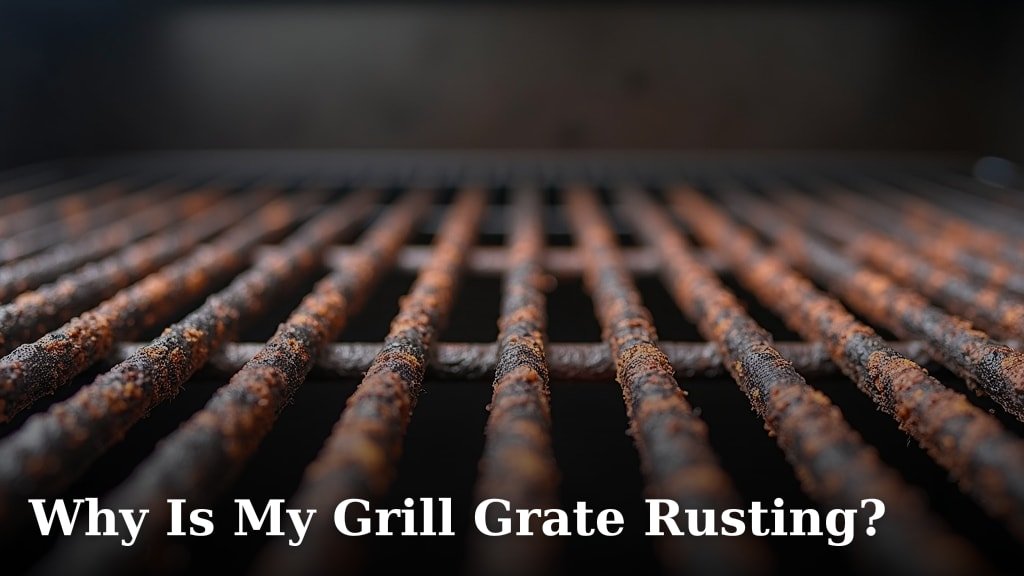
Your grill grate is rusting because of exposure to moisture and air, leading to oxidation of the metal. This natural process is especially common with cast iron or steel grates if not properly cared for.
Rust is essentially iron oxide, a reddish-brown flaky coating that forms when iron or its alloys corrode. We found that lack of proper cleaning and seasoning are big contributors. Leftover food particles can also trap moisture, speeding up the process.
- Grill grates rust due to moisture and air exposure.
- Cast iron and steel are most prone to rusting.
- Poor cleaning and seasoning speed up rust formation.
- Rust is iron oxide, a result of metal corrosion.
- Food debris can trap moisture, making rust worse.
Ready to tackle that rusty grill? Let’s walk through why your grill grate is rusting and what you can do about it, so you can get back to perfectly cooked meals.
Understanding Why Your Grill Grate Is Corroding
Your grill grate corrodes because it’s a metal reacting with its environment. Specifically, we’re talking about rust formation, a common enemy of outdoor cooking equipment.
The Science Behind Rust
What exactly is rust? At its core, rust is an iron oxide. It forms when iron or steel (which contains iron) comes into contact with oxygen and moisture. This chemical reaction is called oxidation.
Think of it like a slow burn. The metal literally starts to break down. We found that the reddish-brown, flaky substance you see is the result of this breakdown.
Water acts as a catalyst. It speeds up the process significantly. Even humidity in the air can be enough to start the rusting process on exposed metal.
Common Types of Grill Grates and Their Rust Susceptibility
Not all grill grates are created equal when it comes to rust. We found that some materials are much more prone than others.
| Grate Type | Rust Susceptibility | Key Characteristics |
|---|---|---|
| Cast Iron | High | Excellent heat retention, requires seasoning. |
| Steel (Standard) | High | Common, often coated, can rust if coating is compromised. |
| Stainless Steel | Low | Resistant to rust due to chromium content, durable. |
| Porcelain-Enameled Cast Iron/Steel | Low (if intact) | Rust-resistant as long as enamel isn’t chipped. |
Cast iron grates are champions of heat retention, but they are highly susceptible to rust. They need constant care.
Standard steel grates, often found in more affordable grills, also rust easily. They might come with a protective coating, but it wears off.
Stainless steel grates are your best bet for rust resistance. They contain chromium, which creates a protective layer. Many experts say this makes them a great long-term choice (National Institute of Standards and Technology).
Porcelain-enameled grates are good too, but watch out for chips. A chip exposes the underlying metal, creating a direct path for rust.
Key Reasons Your Grill Grates Are Rusting
Beyond the basic science, several everyday factors contribute to your grates rusting. It often comes down to how you use and maintain your grill.
1. Moisture and Humidity Exposure
This is the big one. Water is rust’s best friend. Leaving your grill outside uncovered, or grilling in damp conditions, dramatically increases rust risk.
The Impact of Rain and Dew
Rain is an obvious culprit. Even a brief shower can leave enough moisture to start the process. But don’t forget about dew. That morning condensation is pure water, settling on your grates.
We found that leaving your grill cover off, especially overnight, invites rust. A good cover acts as a shield against the elements.
2. Lack of Proper Cleaning
Cleaning might seem counterintuitive to rust prevention, but it’s vital. Food debris and grease hold moisture.
Leftover Food Particles
When you leave food bits on the grates, they act like tiny sponges. They trap moisture, creating prime conditions for rust. They also create pockets where oxygen can easily reach the metal.
We found that cleaning your grates while they are still warm is most effective. This removes food before it hardens and attracts moisture.
3. Inadequate Seasoning
Seasoning is a protective layer, especially crucial for cast iron. It’s essentially baked-on oil that creates a barrier.
Understanding the Protective Barrier
A properly seasoned grate has a smooth, non-stick surface. This layer prevents oxygen and moisture from directly touching the iron. Without it, the metal is completely exposed.
We found that skimping on seasoning or using harsh cleaners that strip it away are major mistakes. You’re removing the very defense your grates need.
4. Scratches and Damage to Protective Coatings
Many grates come with coatings, like porcelain enamel or chrome plating. These are great, until they get damaged.
When Coatings Fail
A scratch or chip in your grate’s coating is like a tiny wound. It exposes the bare metal underneath. We found that once exposed, that spot becomes a rust magnet.
Using metal brushes aggressively can scratch these coatings. Be gentle! Sometimes a nylon brush or even crumpled aluminum foil is better for coated grates.
5. Improper Storage
How and where you store your grill makes a huge difference. You wouldn’t leave a wooden chair out in the rain, right?
Uncovered Grills and Outdoor Elements
An uncovered grill is at the mercy of Mother Nature. Rain, dew, humidity, and even dust can all contribute to rust. We found that a good quality grill cover is one of the cheapest forms of insurance against rust.
If possible, storing your grill in a sheltered area, like a garage or patio cover, offers even more protection. This keeps it away from direct rain and reduces humidity exposure.
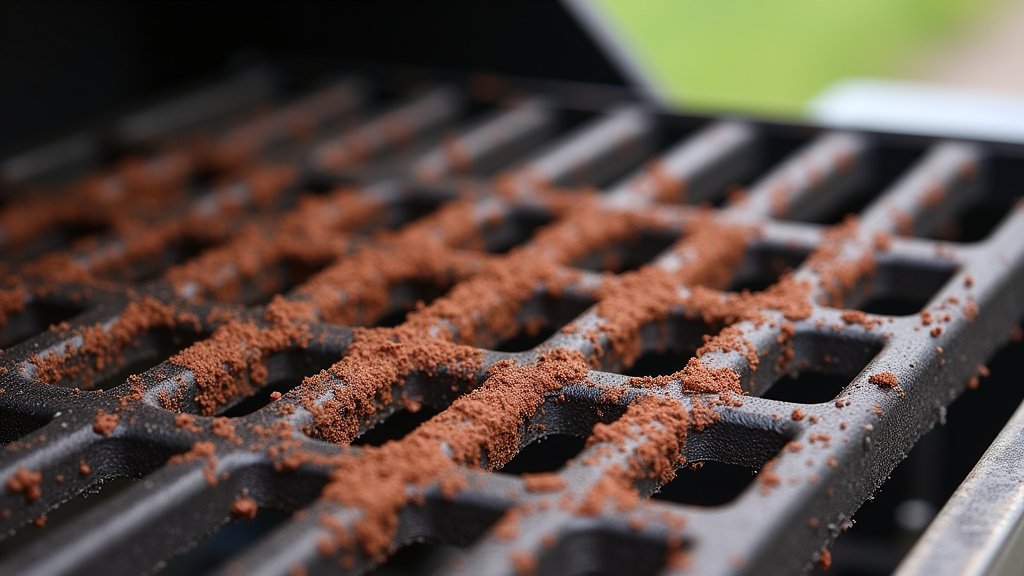
A Quick Rust Prevention Checklist
Want to keep those grates shiny and rust-free? Here’s a simple checklist based on what we’ve discussed:
- Clean after every use: Scrape off food while grates are warm.
- Dry thoroughly: Don’t let water sit on grates, even after cleaning.
- Season regularly: Especially for cast iron, apply a thin layer of cooking oil.
- Use a grill cover: Protects against rain, dew, and dust.
- Store properly: Keep in a sheltered spot if possible, away from harsh elements.
- Inspect for damage: Look for chips or scratches on coated grates.
By following these steps, you’ll significantly reduce the chances of rust forming. Your grill grates will thank you, and so will your perfectly seared steaks!
Conclusion
Preventing grill grate rust boils down to a few simple habits. You’ve seen how moisture, lack of cleaning, and poor seasoning can turn your grates into a rusty mess. We found that understanding your grate material and providing consistent care makes all the difference.
By keeping them clean, dry, and protected, you’ll extend your grill’s life and ensure perfectly cooked meals every time. So, make rust prevention a regular part of your grilling routine. Your taste buds will thank you!
Frequently Asked Questions
Is it safe to cook on rusty grill grates?
While a little surface rust isn’t usually harmful, it’s generally best to avoid cooking directly on heavily rusted grates. Rust can flake off onto your food, affecting taste and potentially posing health risks if ingested in large quantities. Clean off as much rust as possible before use.
Can I remove rust from my grill grates?
Yes, you can often remove rust from grill grates. For light rust, a stiff wire brush or steel wool can work. For heavier rust, you might need a more abrasive method or even specialized rust removers, followed by thorough cleaning and re-seasoning, especially for cast iron.
How often should I season my cast iron grill grates?
You should season your cast iron grates whenever the protective layer appears dull, sticky, or begins to show signs of rust. For frequent grillers, this might be every few weeks. For occasional use, a few times a season might be sufficient. Regular seasoning builds up a strong, non-stick barrier.
Does covering my grill prevent rust?
Absolutely! A good quality grill cover is one of your best defenses against rust. It protects your grates from rain, dew, and airborne moisture, which are primary causes of rust. Make sure the cover fits well and allows for some ventilation to prevent moisture from being trapped underneath.
What kind of oil should I use to season grill grates?
For seasoning, use an oil with a high smoke point, like canola oil, vegetable oil, or flaxseed oil. These oils polymerize (harden) when heated, creating a durable, non-stick, and rust-resistant layer. Apply a very thin, even coat and heat your grates until the oil smokes and bakes on.
