
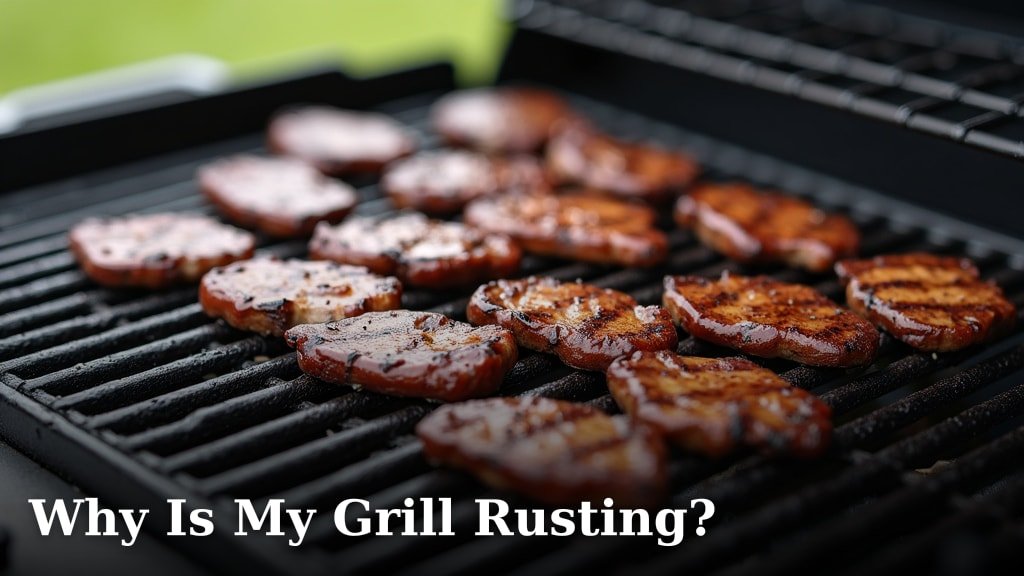
Your grill is rusting because of exposure to moisture, often combined with high heat and a lack of proper care. This causes a chemical reaction that creates iron oxide, which we know as rust. Understanding the root causes helps you prevent future damage and keep your grill in top shape.
Rust can happen to any type of metal grill, from cast iron grates to stainless steel surfaces. It’s a common problem for outdoor cooking equipment. We found that humidity and rain are big culprits, especially if your grill isn’t covered or stored correctly.
- Moisture is the primary cause of rust.
- Lack of proper cleaning and drying makes it worse.
- Storing your grill uncovered speeds up corrosion.
- Certain grill parts are more prone to rusting.
- Preventative steps can save your grill.
Let’s dive into the common reasons why your grill might be rusting and what you can do about it.
Understanding Grill Corrosion: Why Your Grilling Gear is Rusting
Rust formation on your grill is a chemical reaction. It happens when iron or steel comes into contact with both oxygen and water. This creates iron oxide, which we recognize as reddish-brown flakes.
Your grill, being mostly metal and living outdoors, is constantly exposed to these elements. It’s a natural process, but one we can definitely slow down or prevent.
The Usual Suspects: What Causes Grill Rust?
Several factors contribute to your grill’s untimely rust. It’s often a combination of these elements working together to speed up the corrosion process.
Moisture, Your Grill’s Arch-Nemesis
Water is the primary ingredient for rust. Whether it’s rain, dew, or even humidity in the air, moisture is constantly attacking your grill. Think of it like tiny little rust factories starting up on your metal surfaces.
If water sits on your grill for extended periods, especially in crevices or seams, rust is almost guaranteed to form. This is why proper drying is so important after each use or exposure to rain.
Oxygen: The Other Half of the Equation
You can’t escape oxygen; it’s everywhere. Along with moisture, oxygen completes the chemical reaction that forms rust. The more exposed your grill is to open air, the more opportunity oxygen has to interact with wet metal.
This is why tools stored outdoors without protection rust much faster than those kept in a dry shed. Your grill faces the same challenge.
High Heat’s Role in Rust Formation
It might seem counterintuitive, but the heat from grilling can also contribute to rust. We found that extreme temperature fluctuations can stress the metal. This makes it more susceptible to corrosion.
When metal heats up, it expands; when it cools, it contracts. Over time, this can create tiny cracks or weaken protective coatings, giving moisture and oxygen an easier entry point.
Grill Design and Material: Not All Metals Are Equal
The type of metal your grill is made from plays a huge role in its rust resistance. Some materials are naturally more resilient than others.
Cast Iron: Beloved for Cooking, Prone to Rust
Cast iron grates are famous for their heat retention and beautiful sear marks. However, they are also highly susceptible to rust. This is because cast iron is mostly iron, which readily oxidizes.
You’ll often find rust on cast iron grates if they aren’t properly seasoned and maintained. Seasoning creates a protective layer, but it can wear off.
Stainless Steel: Rust-Resistant, Not Rust-Proof
Many grill bodies and some grates are made from stainless steel. While it’s called “stainless,” it’s not entirely immune to rust. It’s rust-resistant, not rust-proof.
We found that “stainless steel” still contains iron. When the chromium oxide protective layer is damaged, or if it’s exposed to harsh chemicals or saltwater, it can still rust. You might see small, reddish-brown spots, often called “tea staining,” on stainless steel (National Institute of Standards and Technology).
Enameled Steel and Other Coated Surfaces
Some grills use enameled steel or other coated metals. These coatings offer a protective barrier against rust. As long as the coating is intact, the underlying metal is safe.
However, if the enamel chips or scratches, the exposed steel underneath will start to rust quickly. Physical damage to these surfaces is a common cause of localized rust spots.
Bad Habits: How Your Routine Might Be Accelerating Rust
Sometimes, we unintentionally make it easier for rust to form. A few simple changes to your grill care routine can make a big difference.
Neglecting Regular Cleaning and Drying
Food debris, grease, and marinades left on your grates and surfaces can trap moisture. This creates a perfect environment for rust to start. Skipping post-grill cleaning is a major contributor to rust.
After you grill, scrape off food residue and give your grates a quick wipe. More importantly, ensure the grill, especially the grates, is completely dry before covering it or putting it away.
Improper Storage and Lack of a Grill Cover
Leaving your grill exposed to the elements is like inviting rust to a party. Rain, dew, and even airborne moisture will settle on your grill. A good quality grill cover acts as a shield.
We found that a breathable cover is best. It protects from rain but also allows some air circulation to prevent condensation from getting trapped underneath, which can also cause rust.
If you have the space, storing your grill in a garage or shed during prolonged periods of bad weather is ideal. This extra layer of protection keeps it out of the worst conditions.
Using the Wrong Cleaning Tools or Harsh Chemicals
While you want to clean your grill, using abrasive brushes or harsh chemical cleaners can actually harm protective layers. Steel wool, for example, can scratch stainless steel, breaking its passive layer and leading to rust.
Stick to brushes designed for grills, usually with brass or stainless steel bristles for specific grates. For cleaning, warm soapy water is often sufficient. Always rinse thoroughly and dry well afterwards.
Signs of Rust: Where to Look on Your Grill
Rust doesn’t always show up uniformly. Knowing where to check can help you catch it early and address it before it spreads.
- Cooking Grates: This is often the first place you’ll see rust, especially on cast iron.
- Heat Plates/Flavorizer Bars: These metal pieces sit above the burners and catch drippings. They get very hot and are constantly exposed to grease, making them prone to rust.
- Burners: The burner tubes themselves can rust, especially if water sits in them or if they are made of lower-grade steel.
- Lid and Firebox Interior: Condensation can form inside the lid, leading to rust if not properly vented or dried.
- Legs and Casters: The lower parts of the grill are closer to the ground and more exposed to splashes and ground moisture.
Regular visual inspections are your best friend. A quick look before and after each use can help you spot potential problems.
The Good News: You Can Fight Back Against Rust!
Don’t despair if you see a bit of rust. It’s often manageable. Your proactive steps can extend your grill’s life significantly. If you find rust that’s more than surface level, learning how to repaint a BBQ grill can help restore its protective coating and extend its life.
Think of it like taking care of your car; regular maintenance prevents bigger issues down the road. A little effort now saves you from needing a new grill sooner than you’d like.
Your Anti-Rust Checklist: Quick Steps to Protect Your Grill
Here’s a simple checklist to keep rust at bay. Make these habits part of your grilling routine.
- Always scrape grates after each use while the grill is still warm.
- Ensure all grill surfaces are completely dry before covering or storing.
- Invest in a good quality, breathable grill cover and use it consistently.
- Periodically season cast iron grates (every few uses for heavy users).
- Store your grill in a sheltered area, like a garage, if not used for long periods.
- Inspect your grill regularly for any signs of rust or damage to coatings.
Following these simple steps will significantly reduce the chances of your grill rusting. It’s all about consistent, mindful care.
Conclusion
Rust might seem like an inevitable part of owning a grill, but you now know the core reasons it happens: moisture, oxygen, heat, and sometimes, material choices. The good news is you have the power to fight back! By adopting a few simple habits, like consistent cleaning, thorough drying, and smart storage with a breathable cover, you can drastically slow down corrosion.
Taking care of your grill isn’t just about appearances; it extends its life and ensures many more delicious cookouts. Start implementing these anti-rust tips today, and you’ll enjoy your grilling adventures for years to come.
Frequently Asked Questions
Can I still use a grill that has rust on it?
A little surface rust, especially on grates, can often be cleaned off. However, if rust is deep, flaking, or affecting structural components like burners, it can be a safety hazard. We recommend inspecting carefully and replacing heavily rusted parts for safe operation.
Does seasoning really prevent rust on cast iron grates?
Yes, proper seasoning creates a protective, non-stick layer that helps prevent oxygen and moisture from reaching the cast iron. It’s not permanent, though, and needs to be maintained regularly. This keeps your grates protected and performing well.
What’s the best way to remove light rust from my grill?
For light rust on grates, you can often use a stiff wire brush or steel wool, followed by washing with soapy water and thorough drying. For stainless steel, a paste of baking soda and water or a specialized stainless steel cleaner can work well. Always rinse and dry completely.
Why does my “stainless” steel grill still rust?
While highly resistant, stainless steel isn’t entirely rust-proof. It can rust if its protective chromium oxide layer is damaged by harsh chemicals, scratches, or prolonged exposure to saltwater or harsh environments. You might see small, cosmetic “tea stains” rather than deep corrosion.
Is it better to store my grill indoors or outdoors with a cover?
Storing your grill indoors, like in a garage or shed, offers the best protection from the elements, especially during off-seasons. If indoor storage isn’t an option, a good quality, breathable grill cover used consistently is the next best thing. This helps keep it dry and protected.
