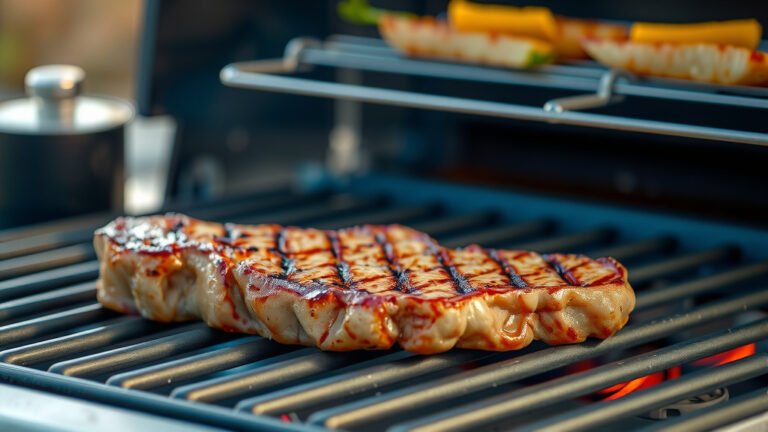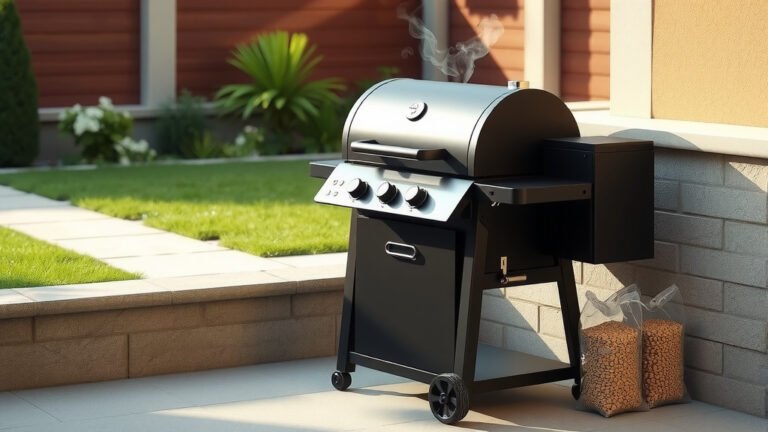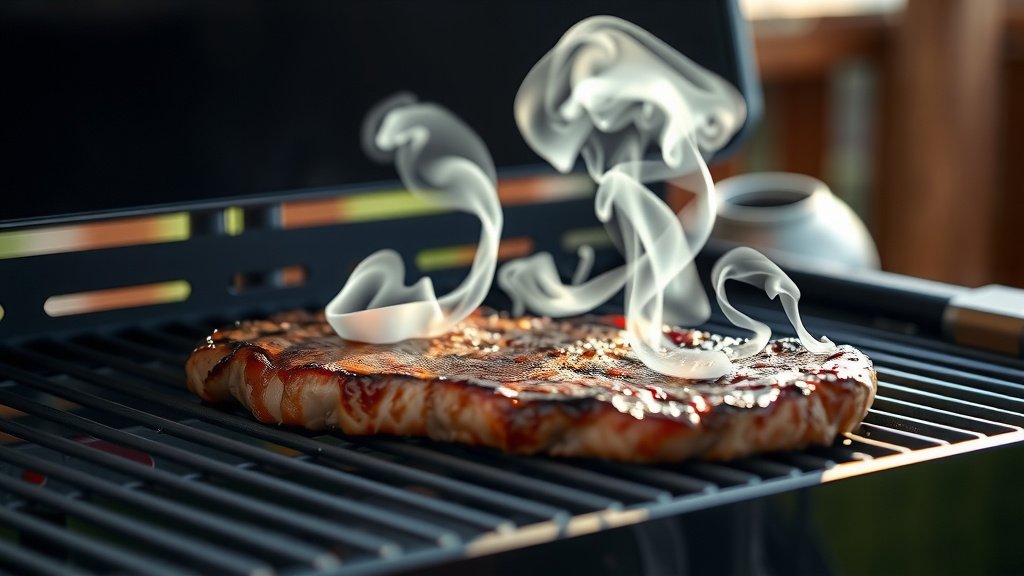
The ideal temperature to cook steaks on a pellet grill often ranges between 350°F and 450°F for a good sear, followed by a lower temperature around 225°F for finishing.
For best results, aim for a high heat to create a flavorful crust and then reduce the pellet grill temperature to achieve your desired internal doneness.
Here’s a quick overview of how to grill perfect steaks on your pellet grill:
- Sear your steaks hot (350-450°F) for a great crust.
- Finish cooking at a lower temperature (225°F) for even doneness.
- Always use a meat thermometer for accuracy.
- Rest your steaks after grilling for juicier results.
- Adjust cooking times based on steak thickness and desired doneness.
What Temperature To Cook Steaks On A Pellet Grill?
The best temperature for cooking steaks on a pellet grill typically involves a two-zone approach, starting high for searing and then moving to a lower heat. You generally want to start around 400-450°F for a quick sear, then reduce to 225-275°F for indirect cooking to finish.
Cooking a great steak on a pellet grill can feel like a secret art, right? You want that beautiful sear, juicy interior, and amazing smoky taste. It’s all about hitting the right temperatures at the right time. We’re here to guide you, step by delicious step.
Why Temperature Matters for a Perfect Steak
Think of cooking steak like painting a masterpiece. Each brushstroke, or in our case, each degree, helps create the final picture. Too low a temperature, and you get a gray, dry piece of meat. Too high, and you burn the outside before the inside cooks.
The real magic happens with the Maillard reaction. This is when the sugars and amino acids on the steak’s surface brown, forming those rich, complex flavors we all love. This reaction needs high heat, usually above 300°F, to truly get going.
The Two-Zone Method: Your Steak’s Best Friend
Many experts agree that the two-zone cooking method is ideal for steak on a pellet grill. Why? Because you want that killer sear, but you also want a perfectly cooked interior. Trying to do both at one consistent temperature is a big challenge.
First, you hit it with intense, direct heat for searing. Then, you shift it to a lower, indirect heat zone to gently bring the internal temperature up. This way, you get the best of both worlds: a crispy crust and a tender, juicy center.
Searing Temperatures for Your Pellet Grill
For that initial, mouth-watering sear, you’ll want to crank your pellet grill to its highest setting. This is typically between 350°F and 450°F, sometimes even higher if your grill allows. The goal is to get a really hot grate.
You’ll place your steak directly over the heat, searing each side for just a couple of minutes. This quick burst of heat creates that beautiful, dark crust. Don’t worry about the internal temperature much at this stage; focus on the surface.
Finishing Temperatures for Internal Doneness
After searing, it’s time to reduce the heat and finish cooking. Lower your pellet grill temperature to around 225°F to 275°F. This gentler heat allows the steak to cook through evenly without burning the outside.
This is where the reverse sear method really works well, even if you’re doing it slightly modified. You’re letting the smoke and lower heat penetrate, giving your steak that wonderful pellet grill flavor while it reaches your desired doneness.
Understanding Steak Doneness and Internal Temperatures
Knowing your preferred steak doneness is key to a happy grilling experience. Do you like it juicy and red, or fully cooked through? There’s no right or wrong, only preference.
The most important tool in your arsenal? A reliable meat thermometer (USDA recommends this). Don’t guess! Pull your steak off the grill a few degrees before your target, as it will continue to cook as it rests (this is called carryover cooking).
| Doneness | Target Internal Temperature (Before Resting) | Appearance |
|---|---|---|
| Rare | 120-125°F | Cool red center |
| Medium-Rare | 130-135°F | Warm red center |
| Medium | 135-140°F | Warm pink center |
| Medium-Well | 140-145°F | Slightly pink center |
| Well-Done | 150°F+ | Little to no pink |
Preparing Your Steak for the Pellet Grill
Before any heat hits your steak, a little preparation makes a world of difference. You wouldn’t run a marathon without stretching, would you? Preparing your steak helps it cook evenly and taste its best.
Seasoning Your Steak Just Right
Keep it simple! A generous amount of coarse salt and freshly ground black pepper is often all you need. Some people like a specific steak rub. Just remember, salt helps create that beautiful crust, so don’t be shy.
We found that seasoning your steak at least 30-45 minutes before grilling, or even overnight, allows the salt to penetrate and improve the flavor. It helps draw out some moisture, too, which aids in searing.
Preheating Your Pellet Grill
This step is non-negotiable for success. Always preheat your pellet grill to the target searing temperature (350-450°F) for at least 15-20 minutes. A truly hot grate means a better sear and less sticking.
Think of it like a hot pan for frying. If the pan isn’t hot enough, your food sticks, and you don’t get that golden crust. The same goes for your grill grates.
Step-by-Step: Grilling Your Steak on a Pellet Grill
Ready to get cooking? Here’s a straightforward guide to help you achieve steak perfection. Follow these steps, and you’ll be the hero of your next cookout.
- Preheat your pellet grill to a high searing temperature (350-450°F).
- Place your seasoned steaks directly on the hot grates.
- Sear for 2-4 minutes per side, looking for a rich brown crust.
- Reduce grill temperature to 225-275°F. Move steaks to an indirect heat zone if possible.
- Insert a meat thermometer into the thickest part of the steak.
- Cook until your desired internal temperature is reached (check our table above!).
- Remove steaks from the grill about 5°F below your target temperature.
- Rest your steaks on a cutting board for 5-10 minutes before slicing.
Common Mistakes to Avoid
Even seasoned grillers make mistakes. But knowing what to watch out for can save your steak from disaster. Avoiding these common pitfalls helps ensure a delicious result every time.
The Art of Resting Your Steak
Skipping the rest period is one of the biggest errors. When meat cooks, its juices gather in the center. Cutting into it right away lets all those delicious juices run out, leaving you with a dry steak.
By letting your steak rest for 5-10 minutes, the juices redistribute throughout the meat, making every bite incredibly tender and flavorful. Just like resting after a workout helps your muscles recover, resting your steak helps it relax and retain moisture.
Picking the Right Wood Pellets for Flavor
Your pellet grill offers a unique advantage: smoke flavor! The type of wood pellets you choose directly impacts the taste of your steak. It’s like picking the perfect wine pairing.
For beef, many grill enthusiasts recommend stronger woods like hickory, oak, or mesquite because their robust flavor stands up well to steak. However, fruit woods like cherry or apple can also impart a subtle, sweet smokiness that some people prefer.
Different Steaks, Different Approaches?
While the core temperatures stay similar, very thick cuts (like a 2-inch porterhouse) might benefit more from a true reverse sear. This means starting low (225°F) until almost done, then searing hot. Thinner cuts (like skirt steak) might only need a quick, hot sear.
Remember, the goal is always that balance between a great crust and tender interior. Adjust your timing, not necessarily the temperature ranges, based on your steak’s thickness.
When to Adjust Your Pellet Grill Temperature
Grilling isn’t always an exact science; sometimes, you need to adapt. Just like you adjust your oven for a wonky recipe, your grill might need slight tweaks.
Factors like outside air temperature, wind, and how full your grill is can affect its performance. If it’s a cold, windy day, your grill might struggle to maintain those high searing temps. Don’t be afraid to give it a little more time to preheat or increase the target temp slightly if needed.
Conclusion
Grilling steaks on a pellet grill at the right temperature transforms a good piece of meat into something truly memorable. By understanding the two-zone cooking method—high heat for searing, lower heat for finishing—you gain control over both flavor and doneness.
Always remember your meat thermometer, give your steaks a proper rest, and don’t be afraid to experiment with different wood pellets. With these tips, you’re well on your way to becoming a pellet grill steak master. Happy grilling!
Frequently Asked Questions About Pellet Grill Steaks
What is the best pellet grill temperature for a medium-rare steak?
For a medium-rare steak, we suggest searing it first at 350-450°F for a few minutes per side, then reducing the pellet grill temperature to 225-275°F. Cook until the internal temperature reaches 130-135°F before resting.
Can I cook a steak entirely at a low temperature on a pellet grill?
You can, using a method called reverse searing. Start at a low temperature, around 225°F, until the steak is about 10-15°F below your target internal temperature. Then, crank the grill to 400°F+ and sear each side for 1-2 minutes to develop a crust.
How long does it take to cook a 1-inch thick steak on a pellet grill?
Cooking time varies greatly. For a 1-inch steak, after searing for 2-3 minutes per side at high heat, finishing at 225-275°F could take another 10-20 minutes, depending on your desired doneness and the actual grill temperature. Always use a thermometer!
Should I flip my steak multiple times on a pellet grill?
During the initial high-heat sear, flipping once or twice is common to ensure even browning. During the lower-temperature finishing phase, you might only need to flip it once, about halfway through, if you’re cooking indirectly, to ensure even heating.
What kind of wood pellets are best for steak?
Many grill enthusiasts recommend stronger woods like hickory, oak, or mesquite for steak because their robust flavor stands up well to beef. However, fruit woods like cherry or apple can also impart a subtle, sweet smokiness that some people prefer.