
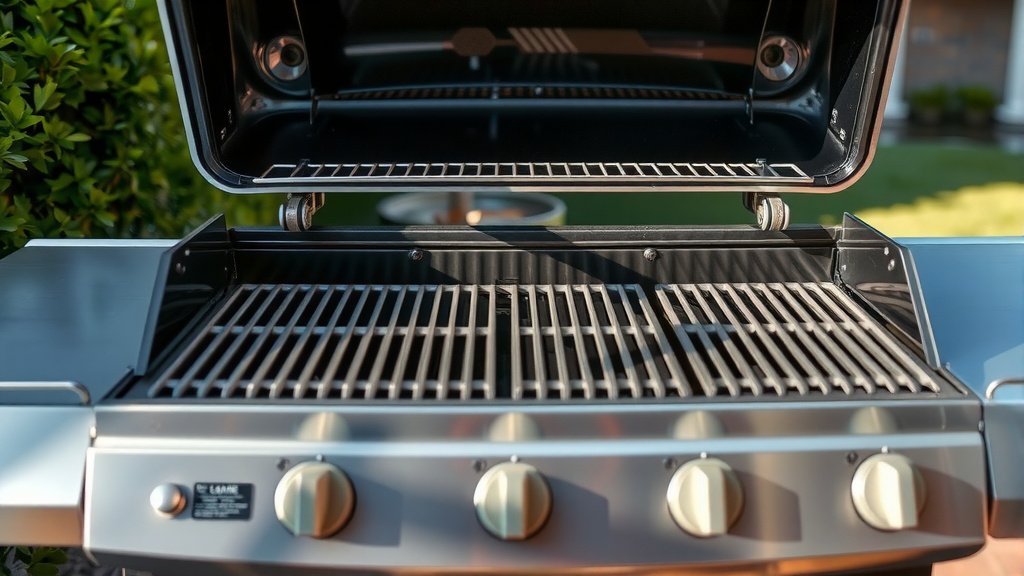
The best way to clean a gas grill involves a two-part approach: a quick scrub after every cook and a thorough deep clean a few times per year to maintain performance and safety.
To effectively clean a gas grill, you should focus on removing food residue from grates and grease buildup from interior components like burner tubes and the drip pan.
TL;DR: Quick Grill Cleaning Tips
- Brush grates after preheating for a few minutes.
- Scrape off any charred bits immediately.
- Deep clean your grill at least twice a year.
- Always disconnect the gas and let the grill cool down for deep cleaning.
- Use a grill brush, mild soap, and water for most tasks.
What Is The Best Way To Clean A Gas Grill?
The best way to clean a gas grill is by consistently following both quick post-cook cleaning and a detailed deep cleaning schedule. This ensures your grill runs safely and cooks food perfectly every time.
Why Clean Your Gas Grill? The Heart of Better Barbecues
Cleaning your gas grill isn’t just about appearances; it’s about safety and delicious food. A dirty grill harbors old food bits, grease, and carbon buildup. This can lead to flare-ups or uneven heating.
Imagine trying to cook a steak on a greasy, charred surface. You’re not getting those perfect grill marks, are you? Keeping it clean means you get the best performance from your investment.
When to Clean Your Grill: Timing is Everything
Knowing when to clean your grill is just as important as knowing how. We found that most grill masters follow a simple rhythm: a quick clean after every cook and a deep clean seasonally. This keeps your grill ready for action.
The “After Every Cook” Routine
You’ve just finished a fantastic meal, but don’t walk away just yet. A quick wipe-down prevents grime from hardening. Many experts say this step is the most important for grill longevity (Weber Grill Guide).
The “Deep Clean” Schedule
For a more thorough cleaning, many grill owners perform a deep clean at the beginning and end of grilling season. Some even do it in the middle too. This larger effort gets into every nook and cranny.
Essential Tools for a Sparkling Grill
You don’t need a massive toolkit to clean your grill, but having the right items makes a huge difference. Think of these as your grilling cleanup squad. Are you ready to gather your gear?
| Tool | Best Use | Why It’s Important |
|---|---|---|
| Wire Grill Brush | Grill grates | Removes charred food quickly |
| Putty Knife/Scraper | Firebox, drip pan | Lifts tough, baked-on grease |
| Bucket | Soaking grates, soapy water | Holds cleaning solutions |
| Dish Soap (mild) | Overall degreasing | Cuts through grease and grime |
| Sponge/Cloth | Wiping surfaces, grates | Gentle cleaning and drying |
| Rubber Gloves | Hand protection | Keeps hands clean and safe |
| Shop Vac (optional) | Ash and debris removal | Quickly cleans out loose particles |
The Quick Clean: After Every Use
This is your routine maintenance, the habit that keeps your grill happy. It only takes a few minutes, but it prevents big cleaning headaches later. We recommend doing this while the grill is still warm.
Burn Off Residue
After removing your food, turn the burners to high for about 10-15 minutes. This incinerates any leftover food bits. Think of it as giving your grill a little internal cleanse.
Brush the Grates
With the grill still warm, use a good quality wire grill brush. Scrape firmly across the grates to remove any remaining char. You’ll see those pesky food particles flake right off.
Wipe Down
Once cool, give the exterior and immediate interior a quick wipe with a paper towel. This catches any stray grease before it hardens. It’s a simple step that makes a real impact.
The Deep Clean: Seasonally for Peak Performance
A deep clean is where you roll up your sleeves and get serious. This makes sure your grill operates like new and lasts for years. Many experts suggest doing this at least twice a year.
Disconnect and Disassemble Safely
First, always ensure the gas supply is off and disconnected. Let the grill cool completely. Then, remove your grates, flavorizer bars, and heat tents. Place them aside for individual cleaning.
Cleaning the Grill Grates Thoroughly
Scrub your grates with hot, soapy water and a grill brush or sponge. For really tough spots, some research suggests a paste of baking soda and water can work wonders. Rinse them thoroughly and dry well.
Dealing with Burner Tubes
Carefully remove the burner tubes. Use a soft brush or a clean pipe cleaner to clear any blocked holes. This ensures even gas flow. We found that a small vacuum can also help remove debris.
Cleaning the Flavorizer Bars and Heat Tents
These components protect your burners and distribute heat. Scrape off any carbon buildup with a putty knife or stiff brush. Wash them with warm, soapy water and rinse well.
Cleaning the Drip Pan and Firebox
The drip pan catches grease, so it can get pretty messy. Scrape out hardened grease with a putty knife. Wash it with hot, soapy water. For the firebox, use a scraper to remove buildup from the sides and bottom.
Exterior Cleaning for a Shiny Look
Wipe down the lid and side tables with a damp cloth and mild soap. For stainless steel, use a specialized stainless steel cleaner to avoid streaks. Always wipe with the grain of the steel.
Safety First: Important Reminders
Cleaning a grill involves gas and heat, so safety is paramount. Always keep these points in mind for a secure cleaning experience.
- Always disconnect the gas tank before deep cleaning.
- Let the grill cool completely before handling interior parts.
- Wear protective gloves to guard against grease and chemicals.
- Use appropriate tools; avoid abrasive pads that can scratch surfaces.
- Ensure good ventilation if using strong cleaning agents.
- Read your grill’s manufacturer manual for specific instructions.
Common Cleaning Mistakes to Avoid
It’s easy to make small errors that can damage your grill or make cleaning harder. One common mistake is not cleaning often enough. This allows grease to harden and makes future cleaning a real chore.
Another pitfall is using overly harsh chemicals on sensitive parts, which can damage finishes or components. Also, never forget to ensure the grill is completely cool before starting a deep clean.
Pros and Cons of Different Cleaning Solutions
When it comes to cleaning solutions, you have choices. Some prefer natural methods, while others reach for commercial cleaners. Here’s a quick look:
- Warm Soapy Water: Gentle, effective for general grease, always available.
- Baking Soda Paste: Good for abrasive scrubbing on tough spots, natural.
- Vinegar Spray: Helps cut grease and odors, natural, can be diluted.
- Commercial Grill Cleaners: Powerful for heavy buildup, but may contain stronger chemicals and require good ventilation.
Maintaining Your Grill Between Cleans
A little bit of ongoing care goes a long way. After each use, consider lightly coating your grates with cooking oil once they’re clean and cool. This helps prevent rust and keeps food from sticking as much.
Keep your grill covered when not in use to protect it from weather and debris. Regularly checking the propane tank connections ensures no leaks. These small steps add up to a well-maintained grill.
Conclusion
Cleaning your gas grill is a straightforward process that pays off with better-tasting food and a longer-lasting appliance. By embracing both quick post-cook cleanups and seasonal deep dives, you maintain both safety and performance. A clean grill isn’t just a shiny grill; it’s a happy grill, ready to create countless delicious memories. So, grab your brush, get cleaning, and enjoy the sizzle!
How often should I deep clean my gas grill?
You should aim to deep clean your gas grill at least twice a year, typically at the beginning and end of your main grilling season. Some people also add a mid-season deep clean if they grill very frequently.
Can I use oven cleaner to clean my grill grates?
While oven cleaner is powerful, many experts advise against using it on grill grates, especially cast iron or porcelain-coated ones. It can damage the finish, affect seasoning, or leave behind chemical residues. Stick to specific grill cleaners or natural alternatives like baking soda paste.
What should I do if my grill burners are clogged?
If your grill burners are clogged, first ensure the gas is off and the grill is cool. Remove the burners and use a wire brush, pipe cleaner, or a stiff wire to carefully clear any blocked ports. Do not use toothpicks as they can break off inside. Ensure all holes are open for even flame.
Is it okay to use water to clean my gas grill?
Yes, water is perfectly fine and often recommended for cleaning most parts of your gas grill, especially when combined with mild dish soap. Just make sure to dry all components thoroughly after washing to prevent rust, particularly on cast iron grates.
How do I prevent rust on my grill grates?
To prevent rust, always clean your grates after each use and dry them completely. Consider lightly oiling them with cooking oil once they are clean and cool. Also, keep your grill covered when not in use to protect it from moisture and weather elements.
