
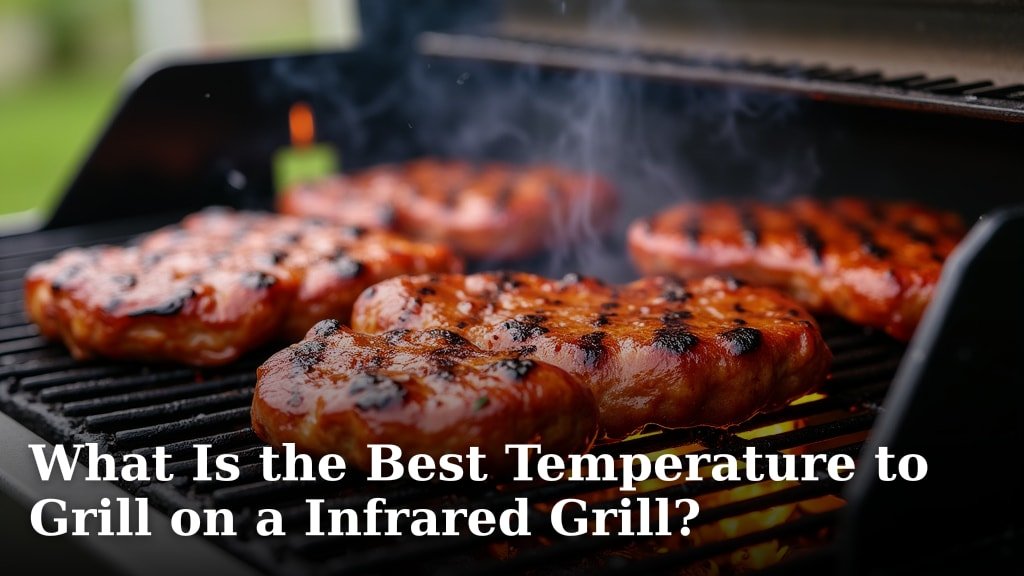
The best temperature to grill on an infrared grill is typically between 400°F and 550°F for searing steaks and burgers. For chicken or fish, you might aim for a slightly lower range, around 350°F to 450°F. Infrared grills excel at achieving high heat quickly, which is ideal for that perfect, crispy sear. Knowing these temperature ranges will help you achieve delicious results every time you fire up your grill.
Infrared grilling offers a unique way to cook your food. Unlike traditional grills that rely on convection, infrared heat cooks food directly and intensely. This means faster cooking times and wonderfully caramelized exteriors. Many grill masters find that mastering these temperatures helps them avoid overcooked or undercooked meals, leading to more enjoyable outdoor cooking experiences. It’s all about understanding how that radiant heat works its magic.
TL;DR:
- For searing steaks and burgers, aim for 400°F – 550°F.
- For chicken and fish, try 350°F – 450°F.
- Infrared grills get hot fast for quick searing.
- Direct, intense heat creates a perfect caramelized crust.
- Understanding temperatures prevents over/under cooking.
Ready to dive deeper? Below, we’ll walk you through the specifics of infrared grill temperatures and how to get the most out of yours.
Mastering Infrared Grill Temperatures for Perfect Results
So, you’ve got yourself an infrared grill and you’re wondering about the sweet spot for temperature. It’s a fantastic question! Knowing the right heat is your golden ticket to delicious, perfectly cooked food every time. Let’s break down how to use that radiant heat to your advantage. Our guide to best infrared grill for beginners can help you understand infrared grill temperatures.
Infrared grills are known for their intense heat. This means they can get to your desired temperature much faster than traditional grills. But with great power comes the need for great control, right? That’s where understanding temperature ranges comes in.
Understanding Infrared Heat vs. Traditional Grilling
Traditional grills work by heating the air around your food. This is called convection. It’s like a gentle hug of heat. Infrared grills, on the other hand, use radiant heat. Think of it like standing near a bonfire. The heat comes directly at you, cooking the surface of your food very quickly.
This direct heat is why infrared grills are so good at searing. They can create that beautiful, crispy crust on steaks and burgers in a flash. You get delicious caramelization without overcooking the inside. It’s a bit like magic, but it’s just science!
The Ideal Temperature Range for Searing
When you’re aiming for that perfect sear on steaks, chops, or burgers, you want high heat. We’re talking about temperatures that can achieve a deep brown crust. For these tasks, aim for the 400°F to 550°F range.
Why this range? Well, at these temperatures, the grill’s surface gets incredibly hot. This intense heat sears the proteins on the outside of your meat. This process, called the Maillard reaction, is what gives your food that savory, delicious flavor and appealing brown color. It happens fast, locking in juices.
Steak and Burger Searing Temperatures
For a classic steakhouse sear, crank your infrared grill up. A temperature between 500°F and 550°F is often ideal for steak. This will give you a fantastic crust in just a few minutes per side. For burgers, a range of 450°F to 500°F works wonderfully.
Remember, infrared grills heat up quickly. You won’t need to wait long. Always use a reliable grill thermometer to ensure you’re in the right zone. Some built-in thermometers can be a little off, so an independent check is wise. We’ve found that consistency is key for repeat deliciousness.
Other Meats and High-Heat Searing
Thicker cuts of pork or lamb also benefit from this high-heat sear. You can start them on high for a minute or two per side to get that great crust. Then, you might move them to a cooler part of the grill or to a different grill altogether to finish cooking. This two-zone approach is a pro move!
This method helps prevent burning the outside before the inside is cooked. It gives you the best of both worlds: a beautiful sear and perfectly cooked interior. Many grilling enthusiasts swear by this technique for larger cuts.
Temperatures for Delicate Foods: Chicken and Fish
Now, what about lighter fare like chicken or fish? These foods can dry out or cook too quickly on super high heat. For these, you’ll want to dial it back a bit.
A good temperature range for chicken and fish on an infrared grill is typically between 350°F and 450°F. This allows the food to cook through evenly without the exterior becoming tough or burnt. You still get some nice browning, but it’s more gentle.
Grilling Fish on Infrared
Fish, especially delicate varieties like salmon or tilapia, cook very fast. Aiming for the lower end of the range, around 350°F to 400°F, is usually best. This prevents the skin from burning too quickly and the flesh from becoming flaky and dry.
You want to cook fish just until it flakes easily with a fork. Overcooked fish is a culinary tragedy, wouldn’t you agree? A good grill thermometer is your best friend here, ensuring you hit that sweet spot. We found that even a 25-degree difference can make a noticeable change in texture.
Perfectly Cooked Chicken
For chicken, whether it’s breasts, thighs, or pieces, the 375°F to 450°F range is often perfect. This heat is high enough to get some nice browning and char marks, but gentle enough to cook the chicken through without drying it out. This is especially true for boneless, skinless breasts.
If you’re grilling bone-in chicken pieces, they might take a bit longer. You might start them on a slightly higher heat to get some color, then lower the temperature or move them to a cooler spot to ensure they cook all the way through. Food safety is, of course, very important here. Always cook chicken to an internal temperature of 165°F (Centers for Disease Control and Prevention).
Using Your Infrared Grill’s Controls Wisely
Most infrared grills have temperature controls. These allow you to adjust the heat output. It’s not always as simple as turning a dial to a specific number, though. You need to learn how your grill behaves.
Start by understanding your grill’s high, medium, and low settings. Many manufacturers provide temperature guidelines in their manuals. We found these to be a great starting point. Pay attention to how quickly your grill heats up and cools down.
Preheating Your Infrared Grill
Preheating is crucial for any type of grilling, and infrared is no exception. For searing, preheat your grill on high for about 10-15 minutes. This ensures the grates are screaming hot, ready to create that perfect crust.
For lower temperatures, you’ll still want to preheat, but perhaps for a slightly shorter time. You’re aiming for the target temperature, not just maximum heat. Letting the grill stabilize at your desired temperature before adding food is key. Patience pays off with delicious results.
The Role of Grill Thermometers
We’ve mentioned them a few times, but it bears repeating: a good grill thermometer is essential. The built-in thermometers can be helpful, but an independent, probe thermometer gives you the most accurate reading. This is especially true for infrared grills, where heat can be very intense and localized.
Research and found data suggests that cooking to precise internal temperatures for meats like poultry and pork is the safest and most effective way to ensure they are fully cooked without being overdone (National Pork Board). For steaks, personal preference dictates the final temperature, but having an accurate reading helps you achieve it consistently.
Troubleshooting Common Infrared Grilling Issues
Even with the best intentions, sometimes things don’t go perfectly. Flare-ups can happen, and food might cook unevenly if you’re not careful.
If you’re experiencing excessive flare-ups, it might mean your heat is too high for the food you’re cooking, or there’s too much grease. Try turning down the heat or moving the food to a slightly cooler part of the grill. For infrared grills, sometimes just moving the food slightly can make a big difference.
Achieving Even Cooking
Infrared heat is very direct. This means the food closest to the heat source cooks fastest. To achieve more even cooking, you might need to rotate your food more frequently than you would on a traditional grill. Think about turning food every few minutes, especially during the initial searing phase.
Also, consider the placement of your food on the grill. Are you placing thicker pieces directly over the hottest part? Maybe try positioning them slightly off-center. Experimentation is part of the fun! We found that using a good pair of grilling tongs helps manage this rotation effectively.
Infrared Grill Temperature Cheat Sheet
To make things simple, here’s a quick reference for common grilling tasks:
| Food Type | Ideal Temperature Range (°F) | Notes |
|---|---|---|
| Steaks (Thick Cut) | 500°F – 550°F | For a deep sear and crust. |
| Burgers | 450°F – 500°F | Good sear with even cooking. |
| Chicken Breasts (Boneless/Skinless) | 375°F – 450°F | Cooks through without drying. |
| Fish (Delicate) | 350°F – 400°F | Gentle heat to prevent drying/burning. |
| Vegetables (Searing) | 400°F – 500°F | Quick char and tender interior. |
Tips for Temperature Control and Consistency
Here are a few quick tips to help you nail those temperatures:
- Always preheat thoroughly.
- Use an accurate external grill thermometer.
- Learn your grill’s hot spots.
- Rotate food frequently for even cooking.
- Adjust heat as needed during cooking.
- Don’t be afraid to experiment!
Conclusion
You’ve learned that mastering your infrared grill’s temperature is key to unlocking its full potential. Whether you’re searing a thick steak between 400°F and 550°F or gently cooking delicate fish around 350°F to 450°F, precision matters. By understanding how infrared heat works and using reliable thermometers, you can achieve those perfect caramelized exteriors and juicy interiors every time. So, fire up your grill, apply these temperature guidelines, and get ready for some of the best barbecue you’ve ever made!
Frequently Asked Questions
How do I know my infrared grill has reached the right temperature?
While built-in thermometers can give you an idea, we strongly recommend using an independent grill thermometer for the most accurate reading. Place it on the grill grate for a few minutes before cooking to ensure it’s calibrated to the grill’s heat.
Can I use my infrared grill for low-and-slow cooking?
Infrared grills excel at high heat, making them less ideal for traditional low-and-slow smoking. While you can achieve lower temperatures (around 250°F-300°F) by adjusting your controls and potentially using indirect heat zones, they are primarily designed for searing and faster cooking.
What if my infrared grill seems too hot, even on the lowest setting?
Some infrared grills run hotter than others. If you find your lowest setting is still too high for delicate items, try moving the food to the edge of the grill or use a drip pan to create a buffer. Frequent rotation is also helpful.
Do I need to preheat my infrared grill for longer than a regular grill?
No, infrared grills typically heat up much faster than traditional grills. For searing, preheating for about 10-15 minutes on high is usually sufficient to get those grates screaming hot and ready.
How does infrared heat differ from charcoal or gas grills in terms of temperature control?
Infrared heat is radiant and intense, meaning it cooks food directly and very quickly from the surface. Traditional gas or charcoal grills use convection, heating the air around the food, which can lead to slower cooking and different texture results. Infrared grills offer quicker searing but require more attention to prevent overcooking.
