
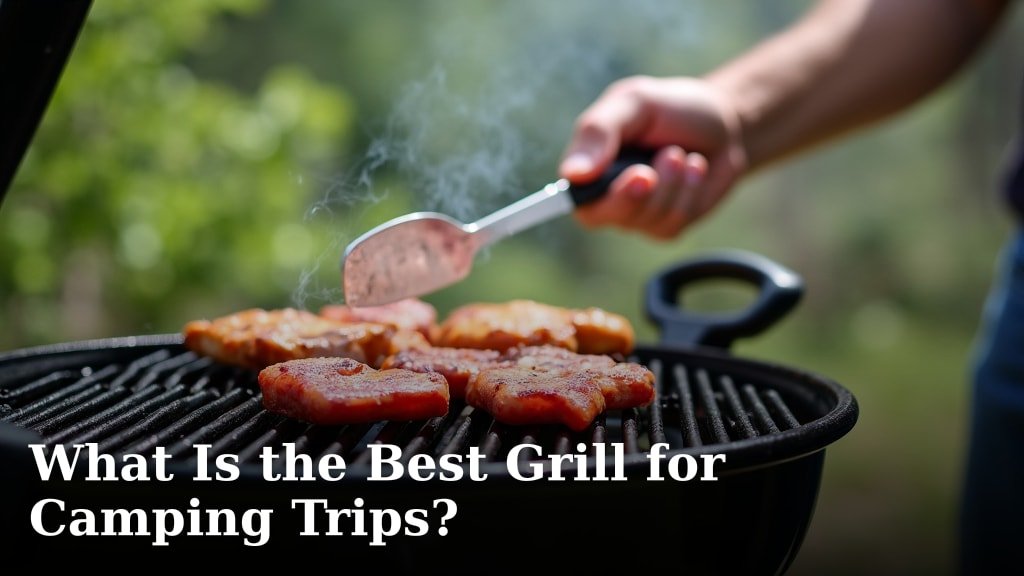
The best grill for camping trips depends on your priorities, but many campers find that portable propane grills offer the best balance of convenience and performance for cooking great meals outdoors. These grills heat up quickly and provide easy temperature control, making them a top choice for many outdoor adventures.
When you’re heading out, you want a grill that’s easy to transport and simple to use. We’ve researched various options and found that compact size and durable construction are key factors for a successful camping experience. You don’t want to struggle with heavy equipment when you’re trying to relax.
- Portable propane grills are a top pick for camping.
- Look for compact size and easy temperature control.
- Durability is important for outdoor use.
- Consider your cooking needs and desired portability.
- Many options exist to fit different budgets.
Let’s walk through what makes a grill great for camping and the specific features you should keep an eye out for.
Choosing the Right Grill for Your Camping Adventures
Finding the best grill for camping means balancing a few things. You want something that cooks well but is also easy to pack and set up. Our research shows that Our research shows that portable propane grills often hit that sweet spot for most campers.portable propane grills often hit that sweet spot for most campers. They get hot quickly and let you adjust the heat like a kitchen stove. This makes cooking everything from breakfast to dinner a breeze.
Think about your typical camping setup. Are you car camping with plenty of space, or backpacking where every ounce counts? This will guide your choice. We found that durability and ease of use are non-negotiable. You don’t want a grill that falls apart after one trip or takes forever to figure out. Let’s break down the key features to look for.
Key Features of a Great Camping Grill
Portability and Size Matter
When we talk about portability, we mean how easy it is to carry and store. Camping grills come in all shapes and sizes. Some are designed to fold up compactly. Others are just small enough to fit in a storage bin or the trunk of your car. You’ll want to consider the weight and dimensions when it’s packed up. If you’re always moving your campsite, a lighter grill is a big win. Many smaller grills have folding legs and sturdy handles, making them convenient to transport.
Cooking Power and Heat Control
A grill’s ability to heat up and maintain a steady temperature is vital for good cooking. Propane grills generally offer excellent heat control. You can often turn a knob to make the flames bigger or smaller, just like at home. This means you can sear steaks or gently cook fish without burning them. We found that grills with multiple burners offer more flexibility. You can cook different foods at different temperatures at the same time. This is a huge advantage for preparing a complete meal.
Durability and Construction Quality
Camping gear takes a beating. Your grill will be exposed to the elements, from rain to sun. Look for grills made from sturdy materials like stainless steel or cast aluminum. These materials resist rust and corrosion, meaning your grill will last longer. Check for robust hinges, latches, and leg designs. A well-built grill feels solid and won’t wobble when you’re cooking. Many manufacturers use powder-coated finishes to add extra protection against wear and tear.
Ease of Cleaning
Nobody wants to spend their vacation scrubbing a dirty grill. Look for models with removable drip pans and grates that are easy to clean. Non-stick surfaces can also be a huge help. Some grills have grease trays that slide out for quick disposal. A clean grill not only looks better but also cooks food more evenly. Food debris can cause flare-ups and impart off-flavors.
Fuel Source Considerations
Most portable camping grills run on propane. They typically use small, disposable 1-pound propane cylinders. These are easy to find at most outdoor retailers and grocery stores. While convenient, these cylinders create waste and can get expensive if you camp often. Some larger portable grills can connect to a standard 20-pound propane tank using an adapter hose. This is a more economical option for longer trips or frequent use. Other fuel types, like charcoal or electric, have their own pros and cons for camping.
Types of Camping Grills to Consider
Portable Propane Grills
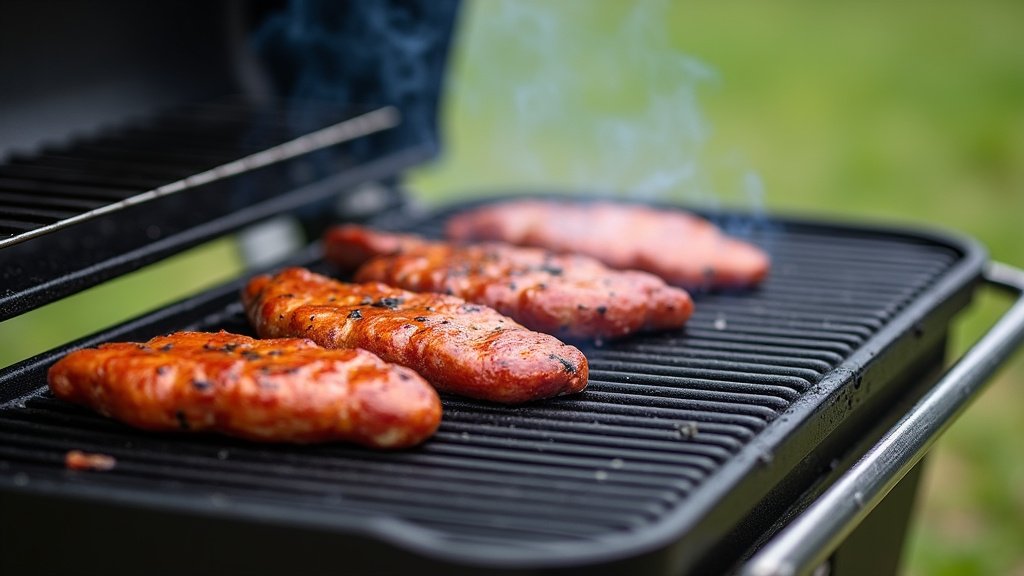
These are the most popular choice for campers. They offer a great combination of performance and convenience. You can find them in various sizes, from compact tabletop models to larger units that fold out. They heat up fast and provide precise temperature control. We found that models with features like built-in thermometers and side shelves are especially handy for camping.
Tabletop Propane Grills
These are perfect for small groups or couples. They are lightweight and easy to set up on a picnic table or a portable stand. Many offer enough grilling space for a few burgers or hot dogs. Some even come with locking lids for easier transport. Their compact size makes them ideal for car camping where space is at a premium.
Larger Portable Propane Grills
If you’re camping with a family or a group of friends, you might need more cooking surface. These grills are often designed to fold up into a more manageable shape. They might have multiple burners and a larger grilling area. While heavier, they offer more cooking power and versatility, similar to a backyard grill.
Charcoal Grills for Camping
If you love the smoky flavor of charcoal, these are an option. They usually involve a bit more setup and cleanup. You’ll need to carry charcoal and lighter fluid. Waiting for the coals to ash over can take time. However, many campers swear by the unique taste charcoal imparts. We found that small, kettle-style charcoal grills can be quite portable. Just be mindful of charcoal disposal regulations at your campsite.
Electric Grills for Camping
These are less common for traditional camping but can work if your campsite has power hookups. They are easy to use and clean. You simply plug them in and wait for them to heat up. The biggest limitation is the need for an electrical source. They also don’t provide that classic smoky flavor many associate with grilling.
Making Your Grill Choice: A Checklist
To help you narrow down your options, consider these points:
- Cooking Needs: How many people will you typically be feeding?
- Portability: How much weight and space can you afford to carry?
- Fuel Preference: Do you prefer the convenience of propane or the flavor of charcoal?
- Budget: How much are you willing to spend on a grill?
- Durability: How often do you plan to use it, and in what conditions?
- Ease of Use: Do you want something simple or are you okay with a few more steps?
Popular Camping Grill Features We Like
When we researched, certain features kept popping up as particularly useful for camping. A built-in thermometer is great for monitoring cooking temperatures without lifting the lid. Folding legs make storage and setup much easier. Side shelves provide a handy spot for plates and utensils. Lastly, a locking lid is a lifesaver when moving the grill. These small additions can make a big difference in your camping cooking experience.
| Grill Type | Pros | Cons | Best For |
|---|---|---|---|
| Portable Propane | Quick heat-up, easy temp control, convenient fuel | Propane cost, cylinder disposal | Most campers, car camping, quick meals |
| Charcoal | Classic smoky flavor | Longer heat-up, more cleanup, fuel management | Flavor enthusiasts, longer stays |
| Electric | Easy to use, clean, precise temp control | Requires power source, no smoky flavor | Campers with hookups, small groups |
Choosing the right grill can significantly enhance your camping trips. Think about where you’re going and what you want to cook. You’ll find a grill that fits your adventure perfectly.
Conclusion
Choosing the best grill for your camping adventures means finding that perfect balance of convenience and performance. We found portable propane grills often hit this sweet spot, offering quick heat-up and easy temperature control. Remember to consider your cooking needs, desired portability, and the durability of the materials. Don’t forget about easy cleanup – it’s a game-changer on any trip! Take a moment to review your priorities based on our checklist. Then, confidently select a grill that will help you create delicious outdoor meals for many trips to come.
Frequently Asked Questions
What’s the easiest type of grill to use for camping?
Generally, portable propane grills are the easiest for camping. You just need to connect a propane cylinder and turn a knob to control the heat. They heat up quickly and require minimal setup compared to charcoal grills.
How important is grill size for camping?
Grill size is very important for camping. You need a grill that fits your cooking needs, but also one that’s manageable to transport and store. Compact, foldable models are ideal if you have limited space or are car camping.
Can I use my backyard grill for camping?
Most backyard grills are too large and heavy for typical camping. Portable camping grills are specifically designed to be lightweight, compact, and durable for outdoor travel.
Are charcoal grills a good option for camping?
Charcoal grills offer a classic smoky flavor, but they require more time for heating and cleanup. You’ll also need to carry charcoal and manage ash disposal. They can be a good choice if flavor is your top priority and you don’t mind the extra steps.
What should I do after camping with my grill?
After camping, you should clean your grill thoroughly. Remove any food debris, clean the grates, and empty the drip pan. Proper cleaning and storage will help prevent rust and ensure your grill is ready for your next trip.
