
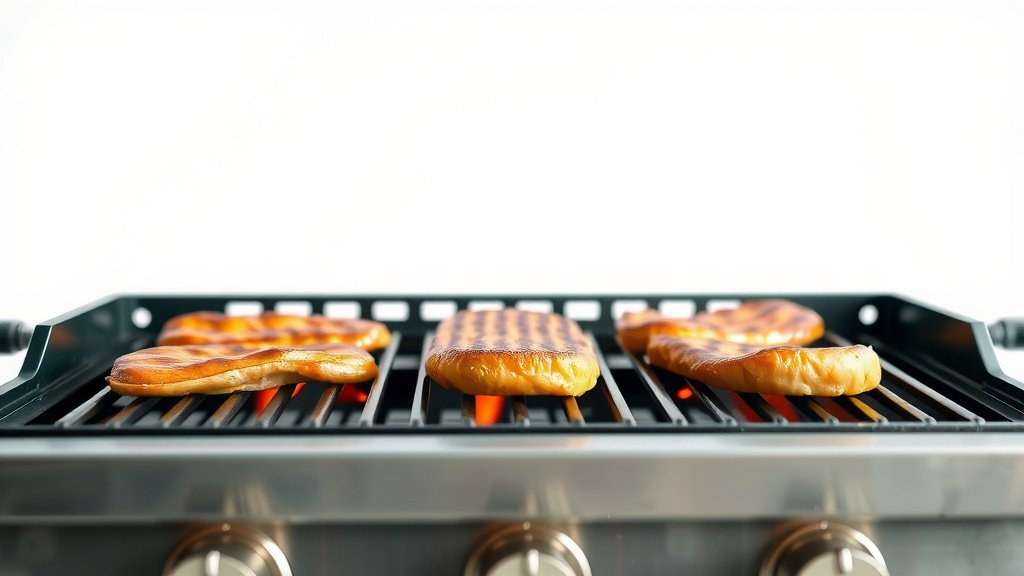
Medium heat on a gas grill generally means your grill grates are between 325°F and 375°F (160°C to 190°C), offering a versatile cooking temperature for many foods.
This temperature range allows for thorough cooking without burning the exterior, making it ideal for chicken, fish, vegetables, and medium-thickness cuts of meat.
- The medium heat range on a gas grill is typically 325°F to 375°F.
- This temperature is perfect for foods needing to cook all the way through, like chicken, fish, or vegetables.
- You can achieve medium heat by adjusting your burners and using your grill’s lid to manage airflow.
- Always preheat your grill to ensure consistent heat distribution and better results.
- Knowing this range helps you cook food that is both flavorful and safely done.
What Is Medium Heat On A Gas Grill?
Medium heat on a gas grill falls within a specific temperature window, typically ranging from 325°F to 375°F (160°C to 190°C). This is your sweet spot for balanced cooking.
Why Does Medium Heat Matter for Your Grilling?
Understanding medium heat is like knowing the perfect gear for your car on the highway. It gives you control and versatility. This temperature range helps cook food thoroughly without scorching the outside. Many grill masters find this heat level to be their most used setting for everyday meals.
Understanding Temperature Zones
Grilling temperatures are generally categorized into three zones: low, medium, and high. Low heat is for slow cooking, high heat for searing, and medium heat sits comfortably in the middle. It’s the go-to for many dishes that need time to cook through.
The Science Behind Medium Grill Heat
Medium heat allows for a gentle transfer of warmth to your food. It ensures proteins cook evenly, and moisture remains inside. We found that this balance helps you avoid dry, overcooked food or raw centers (USDA).
Conduction and Convection at Play
When you grill, heat moves by conduction from the grates to your food. Convection occurs as hot air circulates inside the closed grill. Medium heat harnesses both, giving your food an even, delicious cook from all sides.
How Do You Know It’s Medium Heat?
Getting your grill to medium heat is simpler than you might think. There are a couple of practical ways to gauge the temperature before you start cooking. Knowing how to check helps you get a consistent outcome every time.
Your Grill’s Built-In Thermometer
Most gas grills come with a thermometer built into the lid. This gauge gives you a good estimate of the air temperature inside your grill. We found that while helpful, these thermometers can sometimes be a bit off. They measure air, not the exact grate temperature.
The Hand Test Method (An Old Trick)
For a quick, old-school check, use the hand test. Carefully hold your hand about 5 inches above the grates. If you can keep it there for 4-5 seconds, you’re likely in the medium heat range. Any longer, it’s lower; shorter, it’s hotter. Always be careful with this method.
Achieving Consistent Medium Heat on Your Gas Grill
Getting your grill to the right temperature is only half the battle. Maintaining that heat consistently is what makes a great grill master. It requires a bit of practice but the results are worth it.
Preheating is Key for Success
Always preheat your gas grill for at least 10-15 minutes with the lid closed. This step ensures the grates themselves are hot and the grill cavity is evenly heated. Many experts say preheating helps food cook better and prevents sticking.
Adjusting Burners for Evenness
To reach medium heat, start with all burners on high for preheating. Then, turn them down to medium or even medium-low. If you have multiple burners, you might set one side slightly lower to create a cooler zone for delicate items. This technique helps manage varied cooking needs.
Foods That Love Medium Heat
Medium heat is incredibly versatile. It is ideal for cooking a wide range of foods that need to cook through but also develop a nice exterior. Think of it as your all-purpose grilling temperature for delicious family meals.
| Food Type | Internal Temp Goal | Approximate Grill Time (Medium Heat) |
|---|---|---|
| Chicken Breasts | 165°F (74°C) | 6-10 minutes per side |
| Pork Chops | 145°F (63°C) | 4-7 minutes per side |
| Fish Fillets | 145°F (63°C) | 3-6 minutes per side |
| Sausages | 160°F (71°C) | 15-20 minutes (turn often) |
| Vegetables (e.g., bell peppers) | Tender-crisp | 5-8 minutes |
Chicken and Poultry Perfection
Chicken breasts, thighs, and even whole chickens (butterflied) shine on medium heat. It allows them to cook to a safe internal temperature without the outside burning. You get tender, juicy results every time (USDA).
Flaky Fish and Seafood
Delicate items like salmon fillets, shrimp, and scallops are perfect for medium heat. The gentler warmth prevents them from drying out. They cook quickly and develop a beautiful, light char. Research often connects precise temperature control with perfectly cooked seafood.
Vibrant Vegetables and Fruits
Asparagus, bell peppers, zucchini, corn on the cob, and even pineapple slices are fantastic on medium heat. This setting allows them to soften and caramelize slightly without turning mushy. You achieve crisp-tender textures with great flavor.
Common Mistakes to Avoid with Medium Heat
Even with the right temperature knowledge, small errors can impact your grilling. Being aware of these common pitfalls helps you avoid them. You will achieve better results and boost your confidence.
Not Preheating Enough
One common mistake is not giving your grill enough time to preheat. Starting on cold grates causes food to stick and cook unevenly. Always remember that a hot grate sears better and releases food easily.
Ignoring Flare-Ups
Flare-ups happen when fat drips onto the burners, causing sudden flames. While sometimes exciting, they can burn your food. Move food away from flare-ups or close the lid for a few seconds to smother them. Keep a spray bottle of water handy for stubborn flames.
- Always Pre-Heat: Give your grill 10-15 minutes to reach temperature.
- Use a Thermometer: Confirm grate temperature with an accurate thermometer if possible.
- Keep the Lid Closed: Open the lid only when necessary to maintain heat.
- Clean Your Grates: Prevent sticking and flare-ups by cleaning grates before each cook.
- Zone Grilling: Use different burner settings to create varied heat zones for flexibility.
Conclusion
Mastering medium heat on your gas grill is a game-changer for your outdoor cooking. It offers the ideal balance for a vast array of foods, ensuring they are cooked safely and deliciously. By understanding the temperature range, how to achieve it, and the best foods for this setting, you can elevate your grilling skills. So, fire up your grill with confidence and enjoy the wonderful flavors that await you!
What foods are best for medium heat grilling?
Foods like chicken breasts, pork chops, fish fillets, sausages, and many vegetables (asparagus, bell peppers, zucchini) are ideal for medium heat. They cook through evenly without burning.
How do I know my gas grill is at medium heat without a thermometer?
You can use the hand test: carefully hold your hand about 5 inches above the grates. If you can keep it there comfortably for 4-5 seconds, your grill is likely in the medium heat range.
Should I use direct or indirect heat for medium cooking?
For most medium heat cooking, direct heat is used when cooking directly over the flame. However, for thicker items or if you want to finish cooking without burning, you might use indirect heat by moving food to a cooler zone on your grill.
How long does it take to preheat a gas grill to medium heat?
Most gas grills need about 10-15 minutes to preheat to medium heat. Always preheat with the lid closed to allow the grates and grill interior to warm up evenly.
Can I grill frozen foods on medium heat?
While some thinner frozen foods can be grilled on medium heat, it is often better to thaw items first for even cooking and food safety. Frozen foods can cause the grill temperature to drop and result in unevenly cooked meals.
