
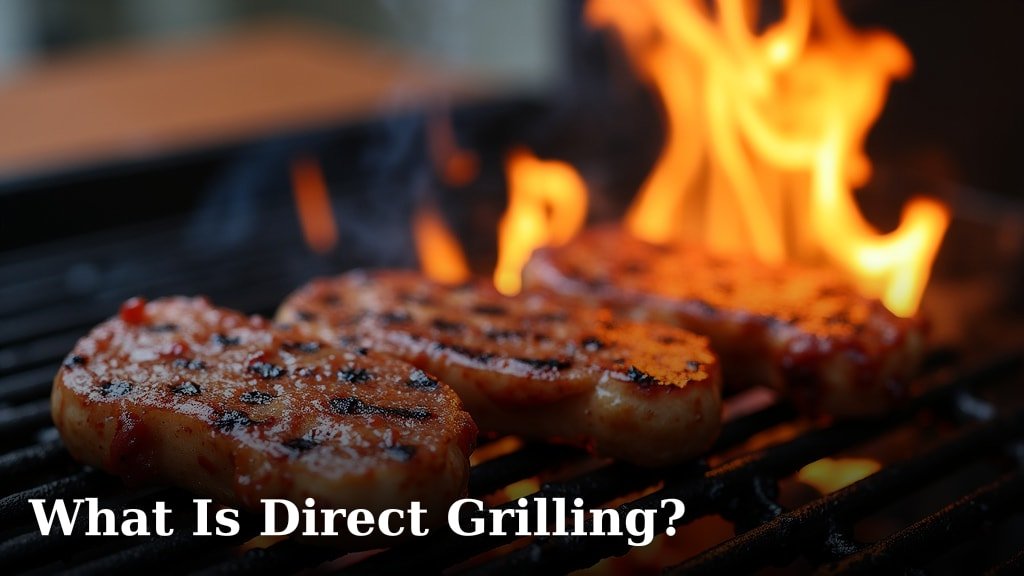
Direct grilling is a cooking method where you place food directly over a heat source. This technique cooks your food quickly at high temperatures. It’s perfect for smaller, tender cuts that benefit from a good sear. Think of it as a hot, fast sprint for your dinner.
You’ll often use direct grilling for things like thin steaks, burgers, or vegetables. The intense heat creates that lovely caramelized crust we all love. We found that it’s one of the most common grilling styles for backyard cooks. Many experts say it’s the easiest way to get started with grilling.
- Direct grilling means cooking right over the flame.
- It uses high heat for fast cooking.
- Great for searing and creating a crust.
- Ideal for smaller, quick-cooking foods.
- It’s a very popular and easy grilling method.
Ready to master the flame? We’ll walk you through everything you need to know about direct grilling.
Understanding Direct Grilling
Direct grilling is all about cooking food right over the heat source. Imagine placing your burger patty directly above the glowing coals or the roaring gas flames. This method delivers intense, focused heat to your food.
The goal is typically to cook items quickly, achieve a beautiful sear, and develop rich flavors. It’s a favorite for many backyard chefs because it’s straightforward and effective.
How Does Direct Grilling Work?
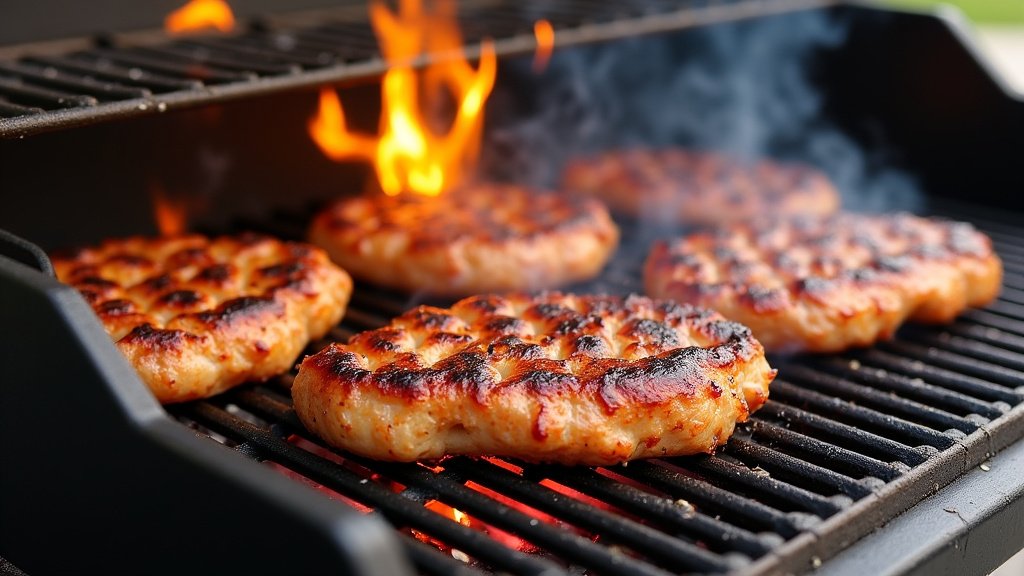
When you cook with direct heat, infrared radiation and convection heat both play a role. The high temperature from the flames or coals directly hits the food, creating a Maillard reaction.
This reaction is what gives your food that irresistible brown, crispy crust and complex flavors. It’s chemistry happening right on your grill!
The Science of Searing
Searing is not just for looks; it’s a vital part of direct grilling. We found that the rapid application of high heat quickly evaporates surface moisture. This leads to the browning and crust formation that makes grilled foods so appealing (Cook’s Illustrated).
This process also locks in juices, preventing your food from drying out too quickly. It’s like creating a flavorful protective barrier.
When to Choose Direct Grilling
Direct grilling is best for foods that cook relatively fast. If an item takes too long, the outside will burn before the inside finishes cooking. What kind of foods fit this bill?
- Thin cuts of meat: Steaks, lamb chops, pork chops.
- Ground meats: Burgers, sausages.
- Poultry: Boneless chicken breasts, chicken thighs, small whole chickens.
- Seafood: Shrimp, fish fillets (especially those that hold together well).
- Vegetables: Asparagus, bell peppers, corn on the cob, onion slices.
- Fruit: Pineapple slices, peaches.
Think “quick sear, quick cook.” These are the ideal candidates for direct grilling. Many experts agree it’s the go-to method for these items.
Setting Up Your Grill for Direct Heat
Whether you have a gas grill or a charcoal grill, setting it up for direct heat is pretty simple. The key is to concentrate your heat source directly under where your food will sit.
Gas Grill Setup
For gas grills, simply turn on all your burners to high. Close the lid and let it preheat for 10-15 minutes. You want the grill grates to be nice and hot.
Once hot, you can adjust the heat to your desired temperature, typically medium-high or high for direct grilling. Make sure you see those grill marks forming quickly.
Charcoal Grill Setup
Setting up a charcoal grill for direct heat involves arranging your coals. You’ll want to pile them evenly across the bottom of the grill, creating a single layer.
Many grill masters suggest using a charcoal chimney starter to get your coals going quickly and uniformly. Once they’re ash-gray and glowing, spread them out. Close the lid and let the grates heat up for about 5-10 minutes.
This concentrated bed of coals provides the intense heat needed for direct grilling. It’s a very traditional way to grill.
Mastering Direct Grilling Techniques
Direct grilling is more than just throwing food on the fire. There are a few techniques that can elevate your results from good to great.
Preheating Your Grill
This step is often overlooked but it’s really important. A properly preheated grill ensures consistent cooking and those beautiful grill marks.
We found that cooking on a cold or lukewarm grill leads to sticking and uneven cooking. Always allow your grill to reach its target temperature before placing food on it.
Cleaning Your Grill Grates
Before you even think about putting food down, clean your grill grates. Use a wire brush to scrape off any old food residue. This prevents sticking and keeps your food tasting fresh.
Many professional chefs also recommend lightly oiling the hot grates just before cooking. This creates a non-stick surface and helps with browning. You can do this by dipping a paper towel in a high smoke point oil (like canola or grapeseed) and carefully wiping the grates with tongs.
The Flip Rule
When direct grilling, resist the urge to constantly flip your food. For most items, one flip is all you need. Let the food cook undisturbed until it’s ready to turn.
How do you know it’s ready? Look for a nice crust and release. If the food sticks when you try to lift it, it’s not ready to flip. Give it another minute or two. We found this “leave it alone” approach yields the best sear.
Using a Meat Thermometer
Don’t guess! A reliable meat thermometer is your best friend when direct grilling, especially with meats and poultry. It ensures your food is cooked safely and perfectly.
Insert the thermometer into the thickest part of the meat, avoiding bones. This helps you hit the ideal internal temperature every time (USDA). No more overcooked or undercooked food.
Direct Grilling vs. Indirect Grilling
While this post focuses on direct grilling, it’s helpful to understand its counterpart: indirect grilling. These two methods are like yin and yang in the grilling world, each with its own purpose.
| Feature | Direct Grilling | Indirect Grilling |
|---|---|---|
| Heat Source Position | Directly under food | To the side of or around food |
| Temperature | High (typically 450°F+) | Moderate (typically 275-375°F) |
| Cooking Time | Fast (minutes) | Slow (hours) |
| Best For | Thin cuts, quick-cooking items, searing | Large roasts, whole chickens, slow-cooking ribs |
| Result | Seared crust, tender interior | Evenly cooked, very tender, smokier flavor |
Think of direct grilling as your stovetop searing method, and indirect grilling as your oven roasting method. Both are valuable, but for different culinary tasks.
Troubleshooting Common Direct Grilling Issues
Even seasoned grillers run into snags. Here are a few common problems and how you can fix them, so your direct grilling experience is smooth and enjoyable.
Food Is Burning Too Quickly
If your food is charring on the outside but still raw inside, your heat might be too high. Try adjusting the temperature.
- Gas grill: Lower the burner settings slightly.
- Charcoal grill: Spread the coals out a bit more to reduce intensity, or raise the grill grate if possible. You can also move the food to a cooler part of the grill for a moment.
Sometimes, moving the food to a cooler zone (if you have one established) for the last few minutes can help it finish cooking without burning the exterior.
Food Is Sticking to the Grates
This is a common frustration! It usually means your grill grates weren’t hot enough, clean enough, or sufficiently oiled. Remember our earlier tips?
- Make sure your grill is fully preheated.
- Clean the grates thoroughly with a wire brush.
- Lightly oil the hot grates just before placing food.
- Don’t flip too early! Let the food form a crust and naturally release.
Lack of Good Grill Marks or Sear
Are your grill marks faint or non-existent? This typically points to insufficient heat. The grill grates need to be very hot to create that strong sear.
- Ensure your grill is preheated to a high temperature.
- Don’t crowd the grill. Give each piece of food space so the heat can circulate around it. Too much food lowers the grill’s temperature.
- Make sure your food is relatively dry on the surface before it hits the grill. Pat it with paper towels.
Getting a good sear is about that initial burst of intense heat. We found that patience during preheating pays off here.
Your Direct Grilling Checklist
Ready to fire up the grill? Here’s a quick checklist to ensure a successful direct grilling session every time:
- Preheat your grill to high (450-500°F).
- Clean grill grates thoroughly with a wire brush.
- Lightly oil the hot grates.
- Ensure food is patted dry before grilling.
- Use a meat thermometer for precise cooking temperatures.
- Cook with the lid closed as much as possible to maintain heat.
Conclusion
You now have the tools to master direct grilling. It’s a simple, effective method for delicious, quick-cooking meals. Remember to get your grill hot, keep your grates clean, and trust your thermometer. We found that practice truly makes perfect when it comes to achieving that ideal sear. Fire up your grill and enjoy the amazing flavors you can create with this fundamental technique!
Frequently Asked Questions
What are the absolute essential tools for direct grilling?
You’ll definitely want a good grill brush for cleaning, sturdy tongs for flipping, and a reliable instant-read meat thermometer. These three items will cover most of your direct grilling needs.
Can I direct grill frozen foods?
It’s generally best to thaw foods before direct grilling. Frozen items will lower your grill’s temperature and can cook unevenly, leading to a burnt exterior and still-cold interior. Thawing ensures better results.
How do I prevent flare-ups when direct grilling?
Flare-ups happen when fat drips onto the hot coals or burners. To minimize them, trim excess fat from meats. You can also keep a spray bottle of water nearby to quickly douse small flames without cooling the grill too much.
Is it okay to open the grill lid often while direct grilling?
Try to keep the lid closed as much as possible. Each time you open it, you lose valuable heat, which can extend cooking times and make it harder to get a good sear. Only open to flip or check internal temperature.
What’s a good first food to try with direct grilling for a beginner?
Burgers are an excellent choice for direct grilling beginners. They cook relatively quickly, are forgiving, and allow you to practice preheating, cleaning, and the one-flip rule effectively.
