
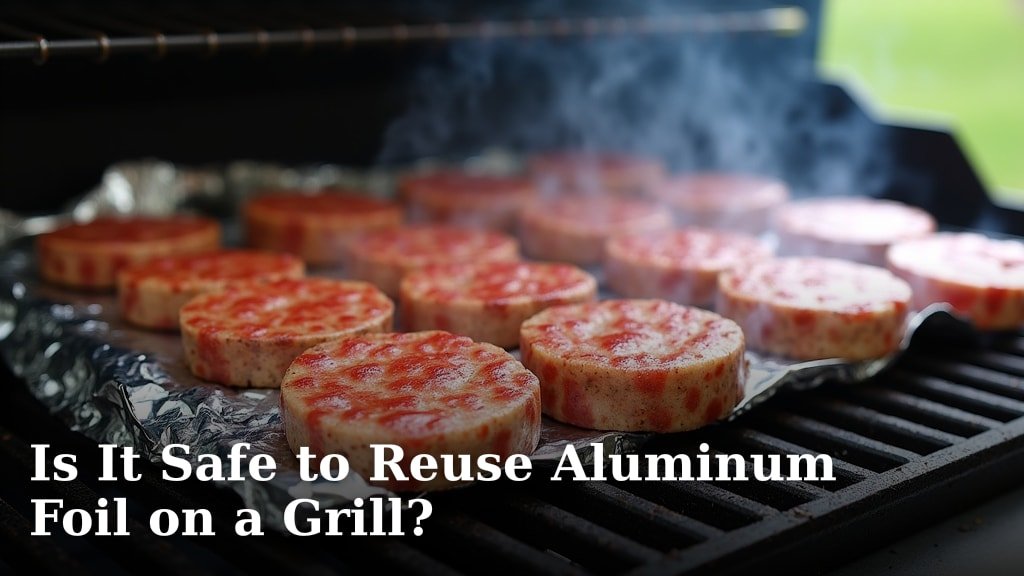
Yes, you can often reuse aluminum foil on your grill, but with important caveats. It’s generally considered **safe to reuse** aluminum foil for grilling purposes, provided it remains **clean and intact**. However, you must inspect it carefully for any rips, holes, or significant food residue before doing so.
Reusing foil can be a **smart way to reduce waste** and save a bit of money. Many home cooks find that a single sheet can serve its purpose for a couple of grilling sessions if handled with care. Just remember, the foil’s primary job is to protect your food and your grill grates, so its **condition is key**.
- Reusing aluminum foil on the grill is often safe.
- Inspect foil for holes or heavy residue.
- Clean, intact foil can be reused.
- Discard foil if it’s damaged or very dirty.
- It’s a good way to reduce waste.
Let’s walk through exactly when it’s okay to reuse that foil and when it’s time to reach for a fresh sheet for your next backyard barbecue.
You’re standing over your grill, the delicious aroma of your latest culinary creation wafting through the air. You’ve used aluminum foil to wrap some food, perhaps to keep it moist or prevent burning. Now, as you’re cleaning up, you wonder if you can just rinse off that foil and use it again for your next barbecue. It seems like a waste to toss it, right?
Reusing Aluminum Foil on Your Grill: Is It a Good Idea?
Yes, it is generally safe to reuse aluminum foil on your grill, but only if it’s still in good condition. Think of it like a trusty spatula – you wouldn’t toss it if it just had a little sauce on it, would you? The key is checking its state before you decide to give it a second life. This can help you save money and reduce waste, which is a win-win!
When It’s Okay to Give Your Foil Another Shot
So, what makes a piece of foil perfectly reusable for your next grilling adventure? It’s all about its condition. If your foil looks relatively clean and is free from damage, you’re likely good to go.
The Cleanliness Factor
The most important thing to check is how much food residue is left on the foil. If you used it to wrap something that didn’t drip or stick excessively, a quick wipe-down or rinse might be all it needs. For instance, if you wrapped potatoes or corn on the cob, the leftover bits are usually minimal and easy to remove. This keeps things hygienic for your next use.
However, if the foil is caked with burned-on bits, marinades that have caramelized, or fatty drippings, it’s probably best to move on to a fresh sheet. These residues can become a **fire hazard** if they reheat too intensely on the grill. They can also impart an undesirable flavor to whatever you’re cooking next.
Structural Integrity: No Holes Allowed!
Aluminum foil is thin. Its job is to create a barrier. If your foil has developed any rips, tears, or holes during its first grilling session, it’s time to retire it. These openings will let your food fall through or burn directly on the grates. A damaged sheet simply won’t perform its protective duty anymore. Look closely for any signs of weakness.
What About Grease?
A little bit of grease is usually fine. You can often wipe away excess grease with a paper towel. But if the foil is saturated with grease, it’s best to discard it. Think about how a greasy paper towel feels – it’s flimsy and can break easily. Saturated foil can behave similarly on the grill, becoming a **potential mess**.
When to Definitely Reach for a New Sheet
There are certain situations where reusing your aluminum foil is just not advisable. Prioritizing safety and food quality means knowing when to say goodbye to that used sheet.
Heavy Residue and Charring
If your foil looks like it went through a small battle with your food, it’s time for a new one. Significant charring or burnt-on food means the foil has likely weakened and may not be food-safe. The bits that are stuck on are difficult to remove completely, and they can **contaminate your next meal**.
Imagine wrapping fish and it sticks badly. Those flaky bits are tough to scrub off. Plus, the smell of burnt fish isn’t something you want lingering for your next batch of grilled peaches, right? For these instances, a fresh piece of foil is your best bet.
Contact with Raw Meat Drippings
If your foil was in direct contact with raw meat juices, especially from poultry or pork, it’s generally recommended to use a fresh sheet for your next use. While rinsing might seem like a solution, it doesn’t always guarantee complete removal of potential bacteria. Cross-contamination is a real concern, and many food safety guidelines suggest avoiding reuse in these scenarios (CDC).
You wouldn’t reuse a cutting board without thorough sanitization after cutting raw chicken, and the same principle applies here. The heat of the grill might kill some things, but it’s not a perfect sterilization method. Better safe than sorry when it comes to **foodborne illnesses**. Better safe than sorry when it comes to foodborne illnesses; know the best internal temperature for chicken.
Acidic Foods and Foil Degradation
Certain foods can react with aluminum foil, especially over long cooking times or at high temperatures. Foods with high acidity, like tomatoes, lemon juice, or vinegar-based sauces, can cause the foil to break down. You might notice it thinning or even pitting. If you see any signs of this degradation, discard the foil.
This reaction doesn’t just affect the foil; it can also transfer a metallic taste to your food. It’s like when you accidentally scrape your fork on your teeth – not a pleasant sensation! If your foil looks dull, discolored, or has tiny holes from the reaction, it’s a clear signal to use a **fresh piece**.
How to Safely Reuse Your Grill Foil
If you’ve decided your foil is a candidate for a second grilling go-around, here’s how to do it right. Following these simple steps will ensure you’re grilling safely and efficiently.
Cool It Down Completely
Never try to handle hot foil. Let it cool down entirely after you remove it from the grill. This protects your hands from burns and makes the foil easier to manage for cleaning. Patience here is key to avoiding a **nasty burn**.
Inspect, Inspect, Inspect!
This cannot be stressed enough. Give the foil a thorough once-over. Check for any holes, tears, or signs of excessive thinning. Run your fingers lightly over it (once cool!) to feel for any weak spots. If it feels flimsy anywhere, it’s probably not strong enough for another round.
Gentle Cleaning Methods
If there are small food particles, try to gently scrape them off with a plastic spatula or brush. For very minor residue, a quick rinse under cool water might suffice. Avoid using abrasive scrubbers, as these can damage the foil and leave tiny scratches that could harbor bacteria or create weak points. The goal is to remove loose bits, not to make it look brand new.
Think of it like cleaning a delicate pan. You want to be effective but not harsh. A soft sponge or cloth is usually best. If you’re finding that you have to scrub hard to get something off, that’s a sign the residue is too stubborn and perhaps too baked-on to remove safely.
Consider the Type of Food Cooked
As we touched on, the type of food matters. Foil used for baking simple items like vegetables or fruits is a much safer bet for reuse than foil used for searing fatty meats or handling raw poultry. Keep track of what you cooked on it, and when in doubt, err on the side of caution. It’s a **simple mental note** that can make a big difference.
Benefits of Reusing Aluminum Foil Wisely
Choosing to reuse your aluminum foil when appropriate isn’t just about saving a few cents. It aligns with a more sustainable lifestyle.
Reducing Waste
Every piece of foil you reuse is one less piece going into the landfill. Aluminum is recyclable, but recycling takes energy. Reusing it first is an even more eco-friendly option. It’s a small change that contributes to a **larger environmental goal**.
Saving Money
While aluminum foil isn’t the most expensive kitchen staple, the costs add up. If you grill frequently, reusing foil can lead to noticeable savings over time. Think of the money you save on foil as extra funds for your next barbecue treat – maybe some gourmet sausages or a special marinade!
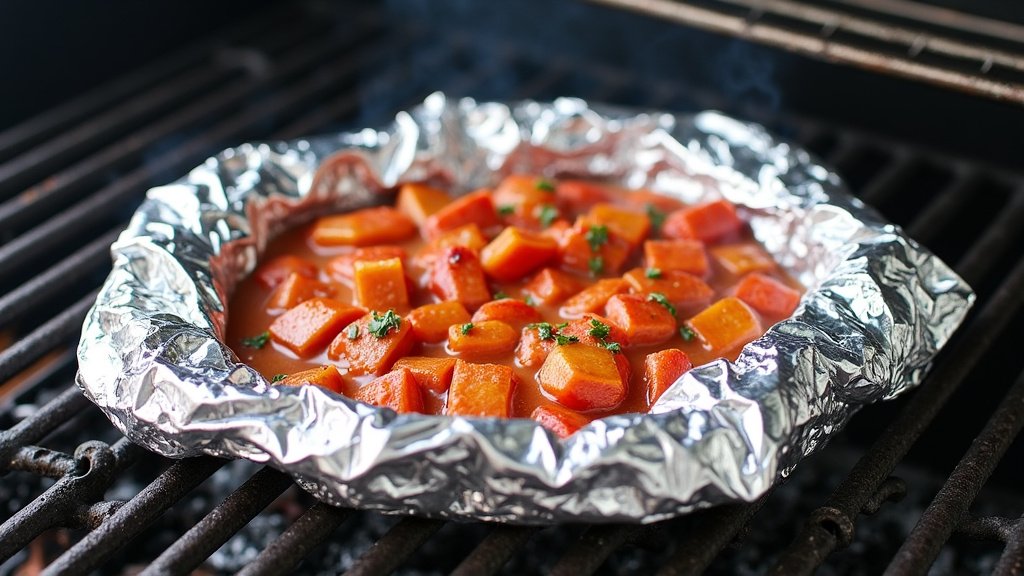
Checklist: Is Your Foil Fit for a Second Grilling Gig?
Before you toss that used foil or decide to reuse it, quickly run through this mental checklist:
- Is it free of holes or tears?
- Is there only minimal, easily removable food residue?
- Was it used for cooked, not raw, meats?
- Are there no signs of acidic food reactions?
- Does it feel reasonably intact and not overly flimsy?
- Can it be easily wiped or rinsed clean without scrubbing hard?
If you can check off most of these boxes, your foil might be ready for another turn on the grill. If you hesitate on any point, it’s probably time to opt for a fresh sheet.
Different Grilling Methods and Foil Usage
The way you grill can also impact whether your foil is a good candidate for reuse. Let’s consider a few common scenarios.
Direct Grilling vs. Indirect Grilling
When you grill food directly over the heat source, the foil often takes more of a beating. It can get scorched and directly exposed to flare-ups, leading to quicker degradation. Foil used for indirect grilling, where the food is placed off to the side of the heat, tends to fare better. It’s protected from the most intense heat and potential charring.
Think of it like wearing shoes. Walking directly on hot coals versus walking on a slightly warmer path – the direct exposure is much harsher. So, if your foil was part of an indirect cooking setup, it’s much more likely to be in reusable condition.
Foil Packets: A Special Case
Foil packets are fantastic for keeping food moist and infusing flavors. However, because they’re designed to seal in steam and juices, they can often end up quite messy inside. The liquid can sometimes weaken the foil, and any residue from the contents can be hard to clean. Often, foil packets are single-use for a reason.
Unless your foil packet was perfectly sealed and contained something very dry, like plain bread for toasting, chances are it’s best to discard it after one use. The concentrated moisture and flavors can make cleaning difficult and potentially compromise the foil’s integrity for a second go.
A Quick Comparison: Reusable vs. Single-Use Foil
To help you decide, consider this quick breakdown:
| Factor | Reusable Foil Criteria | Single-Use Foil Recommended |
|---|---|---|
| Cleanliness | Minimal, easily wiped residue. | Heavy charring, baked-on food, sticky marinades. |
| Damage | No holes, tears, or thinning. | Rips, tears, significant pitting or weakening. |
| Food Type | Vegetables, fruits, simple baked goods. | Raw meats (especially poultry/pork), acidic foods, messy marinades. |
| Cooking Method | Indirect heat, minimal direct exposure. | Direct heat, high flare-ups, foil packet meals. |
This table should give you a **clear visual guide** to making your decision. It’s about assessing the physical state of the foil and what it was exposed to during grilling.
Conclusion
So, can you reuse that aluminum foil on your grill? The short answer is yes, but with caution. Your foil’s condition is the key factor. If it’s clean, free of holes, and hasn’t been compromised by acidic foods or raw meat drippings, giving it a second life is a smart move. It helps you cut down on waste and save a little money. Next time you’re cleaning up after a cookout, give your foil a quick check using the guidelines we’ve discussed. If it passes the test, feel free to reuse it; if not, it’s time to retire it to the recycling bin.
Frequently Asked Questions
Can I reuse aluminum foil that had raw chicken on it?
It’s generally best to avoid reusing aluminum foil that has been in direct contact with raw chicken or its juices. While rinsing might seem like a solution, it doesn’t always eliminate the risk of bacteria. For food safety, it’s safer to use a fresh sheet next time to prevent potential cross-contamination.
Does the type of food cooked on the foil matter for reuse?
Yes, absolutely. Foil used for cooking vegetables, fruits, or plain baked goods is a much better candidate for reuse than foil that handled fatty meats or sticky marinades. Residue from certain foods can become a fire hazard or transfer undesirable flavors.
What if my foil has tiny pinpricks or thin spots?
If you notice any small holes, tears, or areas where the foil feels thin or weakened, it’s time to discard it. These weak spots mean the foil can no longer provide an effective barrier to protect your food or keep it from falling through the grill grates.
How should I clean reusable grill foil?
When reusing foil, gentle cleaning is key. Try to gently scrape off any loose food bits with a plastic spatula. A quick rinse under cool water may suffice for very minor residue. Avoid abrasive scrubbers, as they can damage the foil and create tiny scratches.
Can acidic foods like tomato sauce damage foil for reuse?
Yes, acidic foods can react with aluminum foil. Over time or at high heat, this reaction can cause the foil to break down, thin out, or even pit. If you notice any discoloration, dullness, or signs of damage from acidic foods, it’s safest to use a fresh sheet.
