
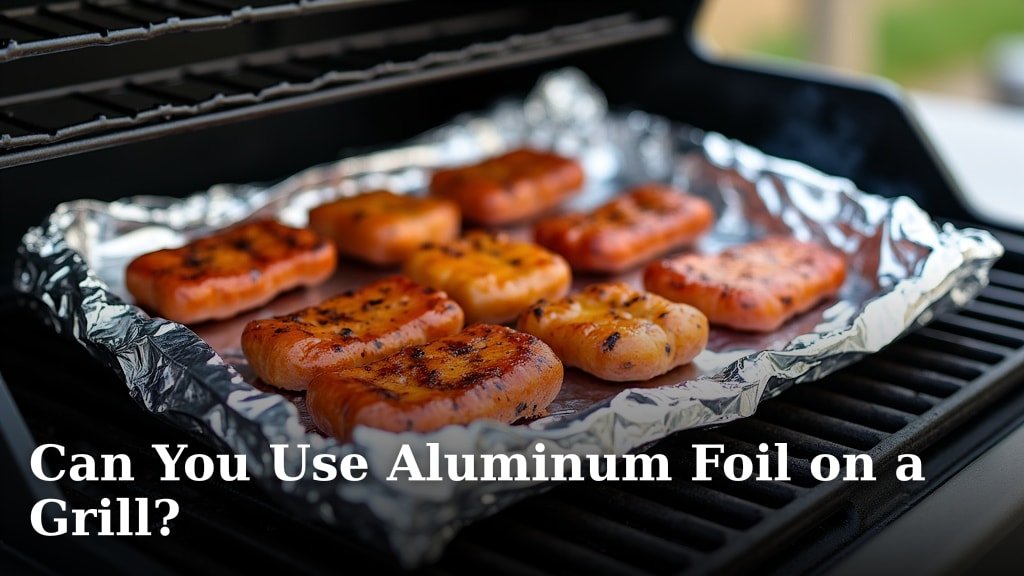
Yes, you absolutely can use aluminum foil on a grill, and it’s a fantastic tool for many grilling tasks. It’s great for preventing food from sticking and for cooking delicate items like fish or vegetables that might fall through the grates. Foil acts like a portable, disposable grill pan.
When you’re grilling, using foil can really make your life easier. It helps contain marinades and juices, ensuring your food stays moist and flavorful. Plus, cleanup becomes a breeze because you just wrap up your mess and toss it. Many grill masters swear by it for certain foods.
- Yes, aluminum foil is safe for grilling.
- It’s great for preventing food from sticking.
- Use it to keep delicate foods from falling through grates.
- It makes cleanup super easy.
- Foil can help keep food moist with marinades.
Below, we’ll walk you through the best ways to use aluminum foil on your grill, along with some handy tips to keep in mind.
Grilling with Aluminum Foil: Your Questions Answered
Yes, you can definitely use aluminum foil on your grill. It’s a versatile kitchen staple that extends its usefulness right onto your barbecue. Many grill enthusiasts use it regularly. You might be wondering about the best ways to do it. We’ve got you covered. Let’s talk about how foil can make your grilling sessions even better.
Using Foil for Better Grilling Results
Preventing Food Sticking and Falling
One of the most common reasons people turn to aluminum foil is to prevent food from sticking to the grill grates. We all know that frustrating moment when your perfectly marinated chicken leg tears apart as you try to flip it. Foil creates a smooth, non-stick barrier. This means your food stays in one piece. It’s especially helpful for delicate items. Think about flaky fish or smaller vegetables like asparagus. These can easily slip through the grates and end up lost to the fire below. Using foil acts like a make-shift grill basket or pan, keeping everything contained and safe.
Cooking Delicate Foods
Beyond just preventing sticking, foil is a lifesaver for delicate foods. Have you ever tried to grill shrimp or scallops? They cook very quickly and can fall apart if handled too roughly. Wrapping them loosely in foil allows them to steam gently. This method helps them cook evenly without the risk of falling through the grates. It also keeps them wonderfully moist. You can even create little foil packets for vegetables. These packets trap steam and cook your veggies to tender perfection. This is a great way to enjoy grilled corn on the cob or even delicate mushrooms.
Keeping Food Moist and Flavorful
Marinades and juices are key to delicious grilled food. Aluminum foil is excellent at keeping these flavors locked in. When you wrap your food, the foil creates a sealed environment. This traps the moisture and juices released during cooking. This means your food won’t dry out. Instead, it will become incredibly tender and succulent. For meats like chicken or pork, this is a game-changer. You’ll find your meals are more flavorful and satisfying. Many barbecue pros use foil to keep meats from drying out, especially during longer cooks. It’s like giving your food a warm, protective hug while it grills.
Making Cleanup a Breeze
Let’s be honest, grill cleanup can be a chore. Scrubbing greasy grates takes time and effort. Aluminum foil can significantly simplify your cleanup process. Once your food is cooked and removed, you can simply wrap up any leftover food scraps and drippings in the used foil. Then, you just toss it in the trash. This means less scrubbing and more time enjoying your meal. For parties or large gatherings, this can save you a lot of hassle. Think of it as a disposable liner for your grill. It keeps the mess contained, making post-grilling tasks much easier.
Different Ways to Use Foil on the Grill
Creating Foil Packets (Hobo Packs)
Foil packets, often called “hobo packs,” are a popular and easy grilling method. You place your ingredients in the center of a large piece of foil. This typically includes a protein like chicken or ground beef, along with vegetables such as potatoes, carrots, onions, and seasonings. Then, you fold the foil tightly to create a sealed pouch. The sealed packet allows the ingredients to steam and cook in their own juices. This results in incredibly moist and flavorful food. Many recipes suggest adding a bit of butter or sauce for extra moisture and flavor. This method is fantastic for single servings or customized meals.
Tips for Perfect Foil Packets
When making foil packets, consider these tips. Use heavy-duty aluminum foil. It’s less likely to tear. Make sure to fold the edges securely. This prevents steam from escaping too early. Double-layering the foil can add extra protection. If you’re grilling vegetables, cut them into similar sizes. This ensures they cook evenly. For meats, consider pre-cooking them slightly if they require a much longer cooking time than your vegetables. This prevents some ingredients from being undercooked while others are overcooked.
Using Foil as a Grill Liner
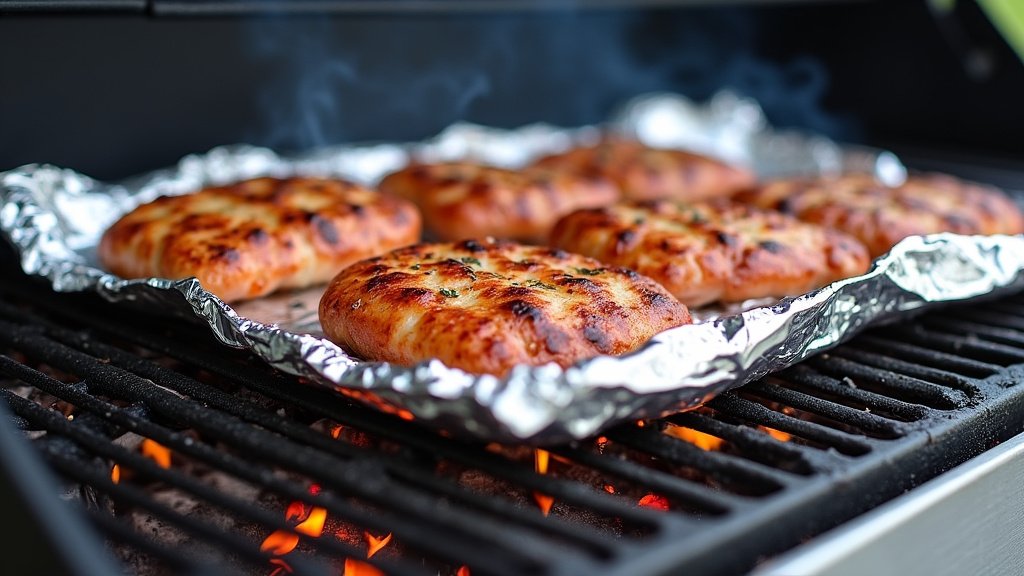
You can also use aluminum foil to line sections of your grill grates. This is particularly useful when you’re grilling smaller items that might fall through. Place a sheet of foil directly on the grates, leaving some space around the edges for heat to circulate. You can then place your food directly on the foil. This works well for vegetables, fish, or even small pieces of meat. It’s a simple way to create a more controlled cooking surface. Be sure to allow for adequate airflow. Covering the entire grill surface with foil can impede proper heat circulation and affect cooking results.
Important Considerations for Grate Liners
When using foil as a liner, remember that it will block direct heat from reaching the food directly underneath it. This means food cooked on foil will essentially be baked or steamed, rather than grilled. For foods that benefit from char marks or smoky flavor, this might not be the ideal method. You can, however, strategically place foil pieces. Use them only in areas where you’re grilling items prone to falling through. This allows you to still get direct grilling on other parts of your food.
Wrapping Foods for Indirect Cooking
Aluminum foil is incredibly useful for indirect grilling. This is where you cook food away from the direct heat source. For example, you can wrap larger cuts of meat, like a whole chicken or a rack of ribs, tightly in foil. Then, place the wrapped food on the cooler side of the grill. This allows the meat to cook slowly and evenly. It helps tenderize tougher cuts. It also prevents the outside from burning before the inside is cooked through. This technique is often called “crutching” in the barbecue world. It’s a great way to achieve tender, juicy results without constant monitoring. Many pitmasters swear by this method for ribs and brisket.
When to Unwrap Your Food
The decision to unwrap your food depends on your desired outcome. If you want a tender, moist result with soft meat that falls off the bone, you might keep it wrapped for most of the cooking time. However, if you’re aiming for a crispy skin on your chicken or a nice bark on your brisket, you’ll need to unwrap the food during the final stages of cooking. This allows the heat to directly hit the surface. It helps create that desirable texture and color. Keep an eye on it to prevent burning. For ribs, unwrapping can help them firm up.
Aluminum Foil Types and Best Practices
Heavy-Duty vs. Regular Foil
When you’re grilling, it’s generally best to reach for heavy-duty aluminum foil. Regular foil is thinner and more prone to tearing. It can easily rip when you’re trying to move food or packets on the hot grill. Heavy-duty foil is thicker and more durable. It holds up better to high temperatures and the rigors of grilling. It’s less likely to develop holes, which can cause juices to leak out or delicate foods to fall through. While regular foil can work in a pinch, investing in heavy-duty foil will save you frustration.
Shiny Side vs. Dull Side
You’ve probably noticed that aluminum foil has a shiny side and a dull side. Does it matter which side faces your food when grilling? Research and manufacturers indicate that the difference is minimal for most home cooking applications. The shiny and dull sides are a result of the manufacturing process. The shiny side is typically the side that comes into contact with the polishing rollers. Some people believe the shiny side reflects heat better, while the dull side absorbs it. However, the difference in heat transfer is usually negligible. For grilling, feel free to use whichever side you prefer. It won’t significantly impact your cooking results. The most important factor is how you use the foil itself.
A Quick Foil Grilling Checklist
Here’s a quick checklist to keep in mind for your next grilling adventure with foil:
- Always use heavy-duty foil for durability.
- Ensure your foil packets are sealed tightly to trap moisture.
- Use foil to protect delicate foods like fish or vegetables.
- Consider foil for indirect cooking to tenderize meats.
- Remember foil can alter direct grilling for crispiness.
- Allow for airflow if lining grill grates to avoid stifling heat.
Things to Avoid When Grilling with Foil
Blocking All Airflow
One of the biggest mistakes people make is completely covering their grill grates with foil. Grills need airflow to function correctly. When you block all the vents or cover too much surface area, you can create a situation where heat can’t escape properly. This can lead to uneven cooking. It might even cause flare-ups or make your grill dangerously hot. Always ensure there’s still room for air to circulate around the foil. If you’re lining a section of the grates, leave gaps. This allows heat to move freely. Think of it as giving your grill room to breathe.
Leaving Foil Directly on Hot Coals
You should never place aluminum foil directly on hot coals in a charcoal grill. The foil can react with the coals. It can even burn through. This can contaminate your food with aluminum particles. Coals are extremely hot. They will melt or tear standard foil very quickly. Always place foil on the grill grates above the coals. If you’re using a gas grill, place it on the grates as well. The grates act as a buffer between the heat source and the foil. This ensures safe and effective use.
Over-Reliance on Foil
While aluminum foil is a fantastic grilling tool, don’t let it become your only tool. Grilling is all about achieving different textures and flavors. Direct contact with the grill grates imparts that classic char and smoky flavor that many love. If you use foil for everything, you might miss out on these characteristics. We suggest using foil strategically. Employ it for delicate items, easier cleanup, or specific cooking techniques. But still, take opportunities to grill foods directly on the grates. This balance will give you the best of both worlds. It ensures you get the full grilling experience.
Conclusion
You’ve learned that aluminum foil is a grilling superhero. It’s perfect for preventing sticky situations and keeping delicate foods safe. Foil locks in moisture and flavor, making your meals incredibly succulent. Plus, cleanup is so much simpler with this handy tool. Use it strategically, like for foil packets or indirect cooking, to get the best results. Now you’re ready to grill with confidence and enjoy easier cleanup. Your next barbecue is sure to be a success!
Frequently Asked Questions
Does using foil change the taste of grilled food?
Using foil can alter the taste slightly. It primarily steams food rather than grilling it directly. This means you might get less of that smoky char. However, it keeps food wonderfully moist and flavorful from marinades.
Can I reuse aluminum foil on the grill?
It’s generally not recommended to reuse foil for grilling. Once used, it often develops small holes or tears. This can cause food to stick or fall through on a second attempt. For best results and safety, use a fresh sheet each time.
What’s the difference between heavy-duty and regular foil for grilling?
Heavy-duty foil is thicker and much more durable. It holds up better to high heat and won’t tear as easily when you handle food on the grill. Regular foil is thinner and can rip, making it less ideal for grilling tasks.
How do I ensure my foil packets don’t leak?
To prevent leaks, use heavy-duty foil and fold the edges very securely. Overlap the seams and crimp them tightly to create a good seal. Double-layering your foil can also add extra protection against leaks.
Will using foil on the grill prevent me from getting grill marks?
Yes, generally it will. When you place food directly on foil, it prevents direct contact with the grill grates. This means you won’t get those desirable char marks or the intense smoky flavor that comes from direct grilling.
