
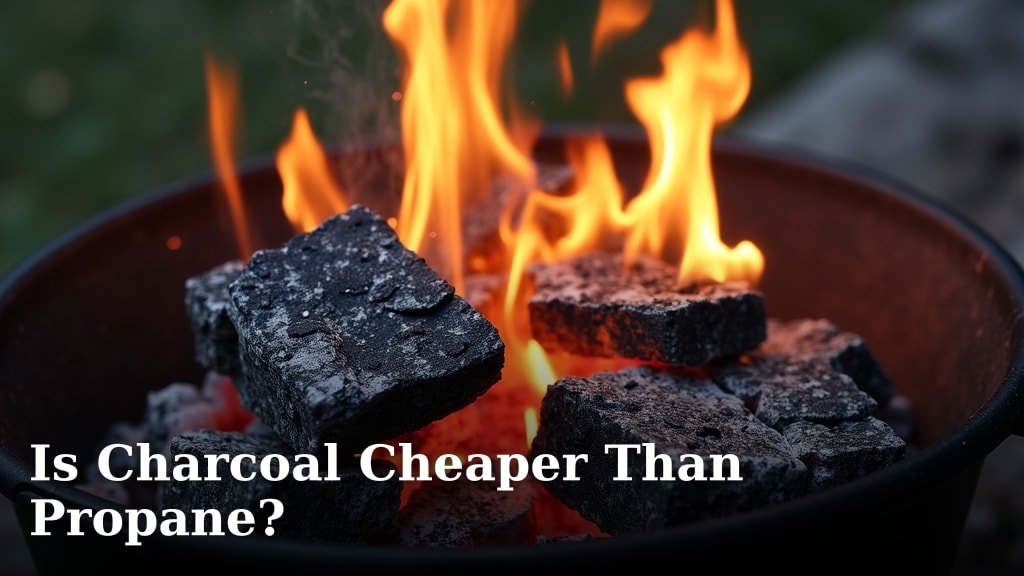
When you’re deciding between charcoal and propane for grilling, you’re probably wondering about the cost. Generally, charcoal is cheaper than propane, especially for the initial setup and the fuel itself. While propane tanks might seem convenient, the recurring cost of refills can add up faster than buying bags of charcoal briquettes.
We’ve found that the upfront investment for a charcoal grill is often lower than a comparable propane grill. Plus, the fuel cost difference is pretty clear. Think about it: a bag of charcoal versus a propane tank exchange. For many grill masters, the cost-effectiveness of charcoal makes it a favored choice, even if propane offers a bit more convenience. Many experts agree that if budget is a primary concern, charcoal often wins the affordability contest.
- Charcoal grills usually have a lower initial purchase price.
- Bags of charcoal briquettes are typically less expensive per grilling session than propane.
- Propane refills or exchanges can become a significant recurring cost over time.
- While propane offers quick start-up, charcoal’s fuel cost is a big win for budget-conscious cooks.
Let’s break down the real costs involved so you can make the best choice for your backyard grilling adventures.
Grill Face-Off: Is Charcoal Actually Cheaper Than Propane?
You’ve got the grill bug, and that’s fantastic! But before you fire up the excitement, let’s talk about what’s really going to hit your wallet. When it comes to fuel, the age-old question is: is charcoal cheaper than propane? We’ve dug into the numbers, and for the most part, the answer is a resounding yes. Charcoal often wins the affordability contest.
This isn’t just about a single grilling session, either. We’re looking at the total cost of ownership and the ongoing expenses. If you’re looking to save money while still enjoying delicious grilled meals, understanding the price difference between these two popular fuels is key. Let’s break it down, so you can make the smartest choice for your backyard.
The Upfront Investment: Grill Purchase Price
One of the first places you’ll see a cost difference is when you’re buying the grill itself. Generally, charcoal grills tend to be more budget-friendly than their propane counterparts. You can find a decent basic charcoal kettle grill for under $100. These simple designs are built to last without a lot of fancy moving parts.
Propane grills, on the other hand, often come with a higher price tag. This is due to the added components needed for gas lines, ignition systems, and regulators. While you can find some entry-level propane grills that are comparable in price to mid-range charcoal grills, the most basic models of each fuel type usually show charcoal as the cheaper option.
Charcoal Grill Entry Costs
Think of your classic Weber kettle. These grills are iconic for a reason. They’re relatively inexpensive to buy. Many families start their grilling journey with one of these. They offer a fantastic grilling experience without breaking the bank upfront. You can often find them on sale, too.
We found that the average cost for a basic charcoal grill is significantly lower. This makes it an easy first step for new grillers or those on a tighter budget. It allows you to get cooking quickly without a large initial outlay.
Propane Grill Entry Costs
Propane grills, especially those with multiple burners and side tables, represent a bigger investment. The technology involved is a bit more complex. You’re paying for the convenience features that come with gas grilling. This includes quick start-up and temperature control knobs.
While the initial cost is higher, many people find the convenience worth it. However, if your primary concern is minimizing the money spent to get started, charcoal has a clear advantage here. We research shows that many propane grills start in the $150-$200 range and go up significantly from there.
The Ongoing Fuel Costs: Charcoal vs. Propane
This is where the cost difference really starts to become noticeable over time. Let’s talk about the price of the fuel itself. How much does it cost to actually get your grill hot and ready for cooking?
Charcoal Fuel Costs
Bags of charcoal briquettes are your primary expense. A standard 15-20 pound bag of briquettes can cost anywhere from $10 to $25, depending on the brand and type. Lump charcoal, which burns hotter and cleaner, is often a bit more expensive per bag.
How many grilling sessions can you get from a bag? It varies, of course. A typical weekend grilling session might use 2-4 pounds of charcoal. So, a single bag could potentially give you anywhere from 4 to 8 grilling sessions. If you do the math, this works out to roughly $1.25 to $6.25 per grilling session. That’s a pretty reasonable cost for delicious barbecue.
Charcoal Bags: Price Points
We’ve observed that store-brand briquettes are usually the cheapest. Premium brands might offer better performance but at a slightly higher price. For budget-conscious grillers, sticking to standard briquettes is the way to go. You can often find great deals on charcoal at big box stores or during holiday sales.
Consider buying in bulk when possible. Larger bags or multiple bag deals can significantly lower the per-pound cost. If you grill frequently, stocking up during a sale can save you a good amount of money throughout the year.
Propane Fuel Costs
Propane is sold in refillable tanks, typically 20-pound tanks. The cost isn’t for the tank itself (which is a one-time purchase, usually around $30-$50), but for the propane to fill it. You have two main options: refilling your existing tank or exchanging it for a pre-filled one.
Exchanging a tank is convenient. You simply swap your empty for a full one at many grocery stores or hardware stores. This usually costs between $18 and $25 per exchange. Refilling your tank at a propane dealer is often slightly cheaper, maybe $15 to $20.
Propane Usage and Cost per Session
A 20-pound propane tank holds about 47 pounds of propane. How long does a tank last? This depends heavily on grill size, temperature settings, and how often you open the lid. For a typical family-sized grill used for a couple of hours at medium-high heat, a tank might last 10-18 hours of cooking time. If you grill once a week for 2 hours, that tank could last you 5 to 9 weeks.
If we estimate an average exchange cost of $22 per tank, and assume a tank lasts about 6 weeks of weekly grilling, your monthly propane cost would be around $22. Over a year, that’s about $264 for propane. Compare that to charcoal, where you might spend $20-$50 a month depending on your grilling frequency. The ongoing cost for propane can easily double or triple the cost of charcoal over the course of a year.
Beyond the Fuel: Other Cost Considerations
While the price of charcoal bags versus propane refills is the most obvious difference, there are a few other things to think about that might influence your total cost. These are less about the fuel itself and more about the accessories and the long-term.
Ignition Methods
Charcoal requires a bit more effort to get going. You’ll need lighter fluid (which you use sparingly) or a charcoal chimney starter. A good chimney starter is a one-time purchase, usually $15-$30, and it’s a much better, safer way to start charcoal than lighter fluid.
Propane grills have built-in igniters, which are very convenient. These igniters rely on batteries or a small electronic mechanism. While they rarely fail, they can eventually need replacement, adding a small, infrequent cost.
Maintenance and Durability
Both types of grills require cleaning and basic maintenance. However, charcoal grills, with their simpler design, often have fewer parts that can break or rust. They are generally quite durable. A well-maintained charcoal grill can last for many, many years.
Propane grills have more components like gas valves, hoses, and burners that can degrade over time, especially if exposed to the elements. While many propane grills are built to last, the potential for needing replacement parts is slightly higher. This could add to the long-term cost.
Accessories and Add-ons
Sometimes, the cost of accessories can sway the decision. For charcoal, you might invest in a good thermometer, grill brushes, and maybe a cover. For propane, you might consider a rotisserie attachment or a griddle insert.
The cost of these extras can vary wildly. However, when we look at essential accessories, the needs for charcoal grilling are generally quite minimal. Most of the specialized add-ons are available for both types of grills and their costs are comparable.
Quick Comparison Table
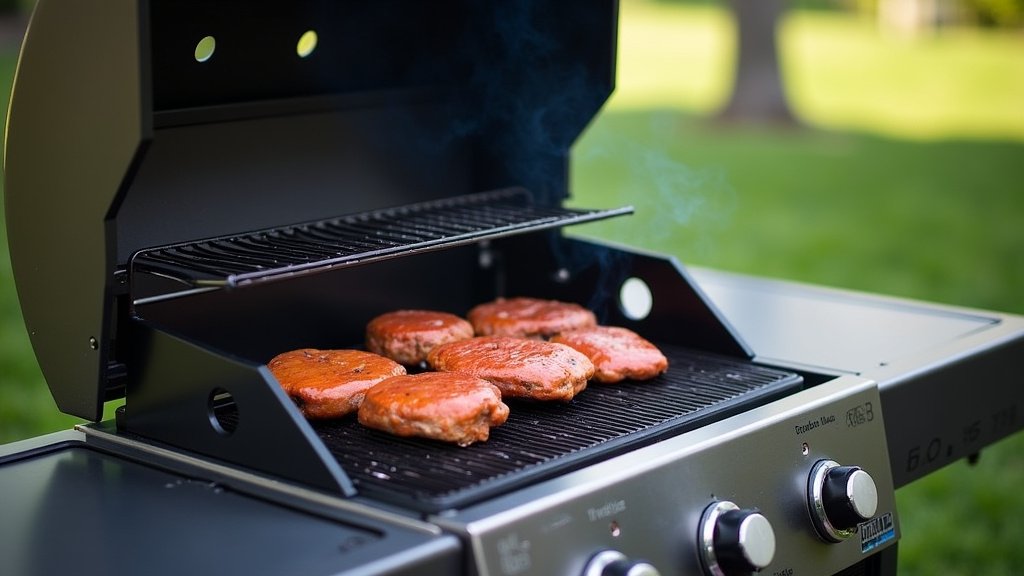
To make things super clear, let’s put the main cost points side-by-side. This should help you visualize the differences quickly.
| Feature | Charcoal Grilling | Propane Grilling |
|---|---|---|
| Initial Grill Cost | Lower ($50 – $200 for basic models) | Higher ($150 – $500+ for basic to mid-range models) |
| Fuel Cost (Per Session) | Lower ($1.25 – $6.25 per session) | Higher ($3.00 – $7.00+ per session, depending on usage) |
| Ongoing Fuel Costs (Annual) | Lower ($100 – $300, depending on frequency) | Higher ($200 – $400+, depending on frequency) |
| Ignition Method | Chimney starter or lighter fluid (one-time purchase for starter) | Built-in igniter (minimal ongoing battery cost) |
| Maintenance Costs | Minimal, typically very durable. | Potentially higher due to more complex parts over time. |
Your Grilling Budget Checklist
To wrap up this cost breakdown, here’s a quick checklist to guide your decision:
- Assess your budget: How much can you spend upfront on a grill?
- Estimate your grilling frequency: Will you grill once a month or every week?
- Calculate fuel costs: Do a quick math on bags of charcoal vs. propane tank exchanges for your expected usage.
- Consider long-term savings: Think about how much you’re willing to spend year after year.
- Factor in convenience needs: Is saving a few minutes on startup worth a higher ongoing cost for you?
- Don’t forget accessories: Budget for essential tools like brushes and thermometers.
Conclusion
So, is charcoal cheaper than propane? The numbers we’ve crunched show that charcoal generally wins on cost. You’ll likely spend less upfront for a charcoal grill and less on fuel over time. While propane offers convenience, that ease comes with a higher recurring price tag. If you’re looking to keep your grilling budget in check, charcoal is usually your most affordable path. Consider your budget and grilling habits carefully, and you’ll find the right fuel for your backyard adventures.
Frequently Asked Questions
How much more expensive is propane than charcoal annually?
Our research indicates that propane can be anywhere from $100 to $300 or even more expensive than charcoal each year. This depends heavily on how often you grill and the specific brands of fuel you use.
Is the initial cost of a propane tank included in the fuel price?
No, the cost of the propane tank itself is a one-time purchase, usually around $30-$50. The recurring costs we discussed are for refilling or exchanging that tank when it’s empty.
Can lump charcoal be more expensive than propane?
While standard charcoal briquettes are almost always cheaper, high-quality lump charcoal can sometimes approach or even exceed the per-session cost of propane, especially if you use a lot of it.
Do charcoal grills need more accessories that add to the cost?
Generally, no. Basic charcoal grilling requires essentials like a chimney starter and cleaning tools, which are usually one-time purchases. Propane grills have built-in ignition systems that are convenient but can eventually need minor repairs or battery replacements.
Which fuel type is better for beginners on a tight budget?
For beginners prioritizing cost savings, charcoal is the clear winner. The lower upfront grill price and cheaper fuel costs make it much more budget-friendly to get started.
