
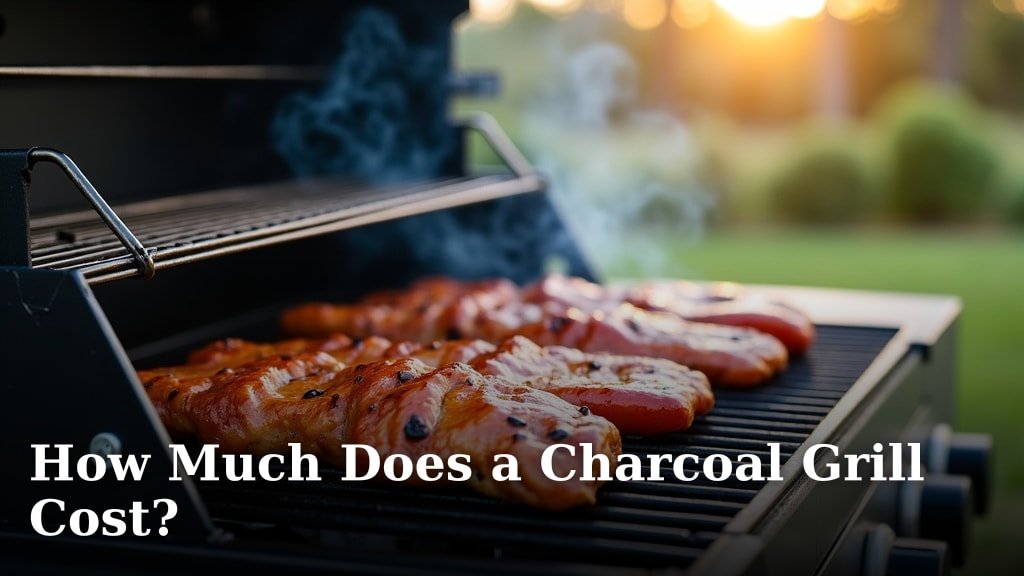
A charcoal grill can cost anywhere from $20 to over $2,000, depending on its size, brand, and features. Most popular models for home use fall in the $100 to $400 range.
You might be surprised by the wide price range. Factors like construction materials, cooking area, and extra functions (like smokers or rotisseries) all play a role. We found that even within a single brand, prices can differ significantly based on the model you pick.
- Charcoal grills vary greatly in price.
- Small, portable grills are very affordable.
- Larger, feature-rich grills cost more.
- Budget-friendly options start around $20.
- High-end models can exceed $2,000.
- Most home grills are $100-$400.
Ready to fire up some delicious meals? Let’s take a closer look at what influences how much a charcoal grill costs and help you find the perfect one for your backyard!
Understanding Charcoal Grill Pricing
So, you’re wondering what makes one charcoal grill cost a lot more than another? It’s a great question! We found that it boils down to several key factors. Think of it like buying a car; a basic sedan gets you from A to B, but a luxury SUV offers more features, better materials, and a smoother ride. Charcoal grills follow a similar pattern.
You’re not just paying for a cooking grate and some briquettes. The materials, size, brand reputation, and special features all play a role. Let’s break down these elements so you can become a smart shopper.
Key Factors Influencing Cost
We’ve identified a handful of aspects that really push the price up or down. Knowing these helps you decide what’s truly important for your grilling needs. Do you need something for every weekend, or just for a camping trip once a year?
Material Quality and Construction
This is probably the biggest factor. What your grill is made of directly impacts its durability, heat retention, and, of course, its price. You’ll primarily see models made from steel, cast iron, or porcelain-enameled steel.
- Thin Steel: The most budget-friendly option. Often found in portable or very basic grills. It heats up quickly but can rust over time. It may also distribute heat unevenly.
- Porcelain-Enameled Steel: This is a popular choice for many mid-range grills, like classic kettle grills. The porcelain coating prevents rust and makes cleaning easier. It’s quite durable and offers good heat retention.
- Cast Iron: Excellent at retaining and distributing heat. Cast iron grills are heavy and built to last generations if properly cared for. They can be more expensive and require specific cleaning.
- Stainless Steel: Found in higher-end models. Stainless steel is highly resistant to rust and corrosion, making it very durable. It looks sleek but comes with a premium price tag. Look for higher grades of stainless steel for better longevity.
A grill with thicker gauge steel or solid cast iron components will certainly cost more. But it will also last longer and provide a more consistent cooking experience. Thin materials might warp or rust quickly, leading to an early replacement.
Grill Size and Cooking Area
It makes sense, right? A bigger grill generally means a bigger price tag. This isn’t just about how much food you can cook, but also the amount of material used in its construction. Larger grills often have more complex designs too.
- Portable/Small Grills: These are ideal for picnics, camping, or small balconies. They offer a compact cooking surface, often enough for 2-4 burgers. Their small size contributes to their lower price.
- Medium Grills: The most common size for backyard grilling. They provide enough space for a family of four to six, fitting around 10-15 burgers. This category offers a good balance of cooking area and affordability.
- Large/Extra-Large Grills: Designed for entertaining bigger crowds or cooking larger cuts of meat (like a whole brisket). These models boast generous cooking surfaces, sometimes with multiple grates. They are significantly more expensive due to their size and often more sophisticated features.
Think about how many people you typically cook for. Getting a giant grill when you only cook for two people might be overkill, both for your wallet and your patio space.
Features and Accessories
This is where things can get really exciting – and expensive! Basic charcoal grills are just that: basic. They give you fire and a grate. High-end models, however, can come packed with all sorts of bells and whistles that enhance your grilling experience dramatically.
- Built-in Thermometers: Many grills now include a lid-mounted thermometer, which is handy for monitoring internal temperatures without lifting the lid.
- Ash Catchers and Cleaning Systems: Some grills have elaborate systems for collecting ash, making cleanup much easier. This can range from simple trays to one-touch cleaning systems.
- Adjustable Grates: The ability to raise or lower the cooking grates or charcoal tray allows for better temperature control, which is a big plus for serious grillers.
- Side Tables and Storage: Integrated side tables provide workspace, while storage cabinets keep your tools and charcoal organized. These conveniences add to the overall cost.
- Rotisserie Kits: For perfectly roasted chickens or prime rib, a rotisserie attachment is fantastic. Many higher-end grills are designed to accommodate these.
- Smoker Capabilities: Some charcoal grills are designed as “grill and smoker” combos, offering more versatility. They often have tighter seals and vents for low-and-slow smoking.
Do you need all these features? Only you can decide. Sometimes a simple grill with a good external thermometer is all you need. Other times, the extra features are worth the investment for the added convenience and cooking prowess.
Brand Reputation and Warranty
Just like with any product, popular and reputable brands often command a higher price. Why? Because you’re paying for their reliability, customer service, and often, a better warranty. Brands like Weber, for instance, are known for their durable products and excellent support (Weber.com).
Off-brand or generic grills might be cheaper up front. But they might not come with the same guarantee of quality or easy-to-find replacement parts. A good warranty can save you money and headaches down the road if something goes wrong.
Price Ranges for Charcoal Grills
We’ve done some digging to give you a clearer picture of what you can expect at different price points. Remember, these are general ranges. You might find sales or special deals that push things a bit lower or higher. But this will give you a solid baseline.
Budget-Friendly Options (Under $100)
If you’re just starting out, or need something basic and portable, this is your sweet spot. Don’t expect commercial-grade durability, but you can certainly get a functional grill.
- Small Portable Grills ($20-$50): These can be tabletop grills or small kettle-style units. They use thin steel, have minimal features, and are perfect for tailgating or apartment balconies. They’re great for trying out charcoal grilling without a big commitment.
- Basic Kettle Grills ($50-$100): You’ll start to see more popular brands here, offering small to medium-sized kettle grills, often porcelain-enameled. These are solid buys for occasional backyard grilling for a small family. They often have basic ash catchers and singular cooking grates.
The main trade-off in this range is usually material thickness and longevity. You might need to replace these grills sooner than more expensive models. But for the price, they offer tremendous value.
Mid-Range Grills ($100-$400)
This is where most people find their ideal charcoal grill. You get a significant jump in quality, durability, and features compared to the budget options. These grills are built to last several years with proper care.
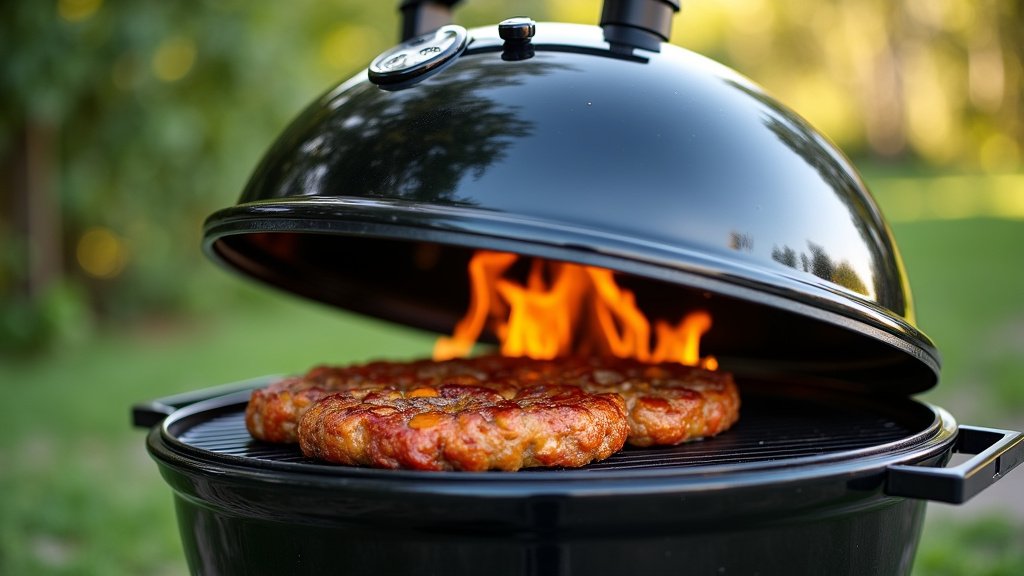
- Popular Kettle Grills ($100-$250): This segment is dominated by the classic kettle grill. You’ll find medium to large sizes, durable porcelain-enameled steel, better ash collection systems, and sometimes lid-mounted thermometers. They’re reliable workhorses for backyard BBQ enthusiasts.
- Drum/Barrel Grills ($150-$400): These offer more cooking space and are often designed for both grilling and smoking. They tend to be made of thicker steel and can handle larger cuts of meat. Some have offset smoker boxes, which adds to their versatility and price.
- Kamado-Style Grills (Entry-Level – $300-$400): You can find smaller, entry-level kamado grills in this range. They’re known for their excellent heat retention and versatility (grill, smoke, bake). These are often made from ceramic or heavy-duty insulated steel. They are significantly heavier than kettle grills.
In this range, you’re paying for improved heat control, better construction, and often, a longer warranty. Many people find their “forever grill” in this price bracket.
High-End and Premium Grills (Over $400)
Welcome to the big leagues! These grills are for the serious grill master or anyone who wants top-of-the-line performance, features, and durability. They are often built like tanks and designed to be outdoor cooking centers.
- Large Kamado Grills ($500-$2,000+): The larger ceramic kamado grills fall squarely into this category. Brands like Big Green Egg, Kamado Joe, and Primo are popular. They offer unparalleled heat retention, precise temperature control, and can do everything from searing steaks to baking pizzas. Their thick ceramic construction is incredibly durable but also very heavy and expensive.
- Grill & Smoker Combos ($400-$1,000+): These are often large barrel or offset smoker designs with heavy-gauge steel. They’re built for large cooking sessions and serious low-and-slow smoking. Many feature thick steel, precise dampers, and ample workspace.
- Cart-Style/Performer Grills ($400-$700): Some top brands offer charcoal grills integrated into a full cart system. These include large cooking areas, extensive work surfaces, storage, and sometimes even gas ignition for lighting charcoal quickly. They offer convenience and an outdoor kitchen feel.
With high-end grills, you’re getting robust materials, advanced features, and a commitment to longevity. These are often considered a significant investment for outdoor cooking. Don’t be surprised to see prices climb well over $1,000 for top-tier models, especially large kamados.
Finding Your Perfect Charcoal Grill: A Checklist
Before you dive into buying, take a moment to think about your needs. Having a clear idea of what you want will help you narrow down the options and avoid buyer’s remorse. We put together a short checklist to guide you.
- What’s your maximum budget? Be realistic about what you want to spend.
- How often will you grill? Daily, weekly, or just a few times a year?
- How many people do you usually cook for? This dictates the size you need.
- What features are “must-haves” for you? (e.g., ash catcher, thermometer, side tables)
- Do you want to only grill, or also smoke or bake? This impacts the grill type.
- How much space do you have? Consider your patio or balcony size.
Answering these simple questions will quickly point you toward the right category of charcoal grill. No need to look at $1,500 kamados if you only need a $75 kettle for your weekly burgers!
Cost Vs. Value: Making a Smart Decision
It’s easy to get caught up in the “best deal” or the “most features.” But we encourage you to think about value. A $50 grill that rusts out in a year might not be as good a value as a $200 grill that lasts for ten years. Consider the long-term cost and enjoyment.
Sometimes, spending a little more upfront saves you money and frustration later. We found that investing in a grill with better materials and a solid warranty often pays off in the end. A well-built grill provides more consistent cooking results, too, leading to tastier food!
Also, don’t forget the ongoing costs. Charcoal isn’t free. Neither are grilling accessories like brushes, tongs, or covers. Factor these small expenses into your overall budget, especially if you grill frequently.
So, take your time, weigh your options, and pick a charcoal grill that truly fits your lifestyle and culinary ambitions. Happy grilling!
Conclusion
As you’ve seen, the cost of a charcoal grill varies widely, from around $20 to over $2,000. Your ideal grill depends on your specific needs, how often you plan to grill, and your budget. We found that most home grillers will find an excellent option in the $100 to $400 range, offering a great balance of features and durability.
Consider factors like material quality, size, and desired features to make a smart investment. Remember, a slightly higher upfront cost for a reputable brand often means greater longevity and a better grilling experience. Take the time to match a grill to your lifestyle, and you’ll be enjoying delicious charcoal-cooked meals for years to come!
Frequently Asked Questions
How much should a beginner spend on a charcoal grill?
If you’re new to charcoal grilling, we recommend starting in the $50 to $150 range. This price point offers solid mid-sized kettle grills with decent construction, allowing you to learn the ropes without a significant financial commitment. You can always upgrade later if you discover a passion for it.
Do more expensive charcoal grills really last longer?
Generally, yes. Our research indicates that higher-priced charcoal grills often use thicker, more durable materials like porcelain-enameled steel, cast iron, or stainless steel. These materials are more resistant to rust and warping, contributing to a much longer lifespan compared to cheaper, thin-steel models.
What are the ongoing costs of owning a charcoal grill?
Beyond the initial purchase, you’ll need to factor in the cost of charcoal or briquettes, which can add up if you grill frequently. You might also want to buy accessories like grill brushes, covers, and starters. These ongoing expenses are fairly minimal per use but are worth considering in your overall budget.
Can I get a good charcoal grill for under $100?
Absolutely! For under $100, you can find a variety of small to medium-sized grills. We found many basic kettle grills and portable options that are excellent for occasional grilling, tailgating, or small patios. They offer great value, though they might not last as long as mid-range options.
Is a kamado grill worth the higher price tag?
For serious grillers and smokers, a kamado grill can be a worthwhile investment. Their thick ceramic construction provides superior heat retention and precise temperature control, allowing for versatile cooking from low-and-slow smoking to high-heat searing. Their durability also means they can last for decades with proper care.
