
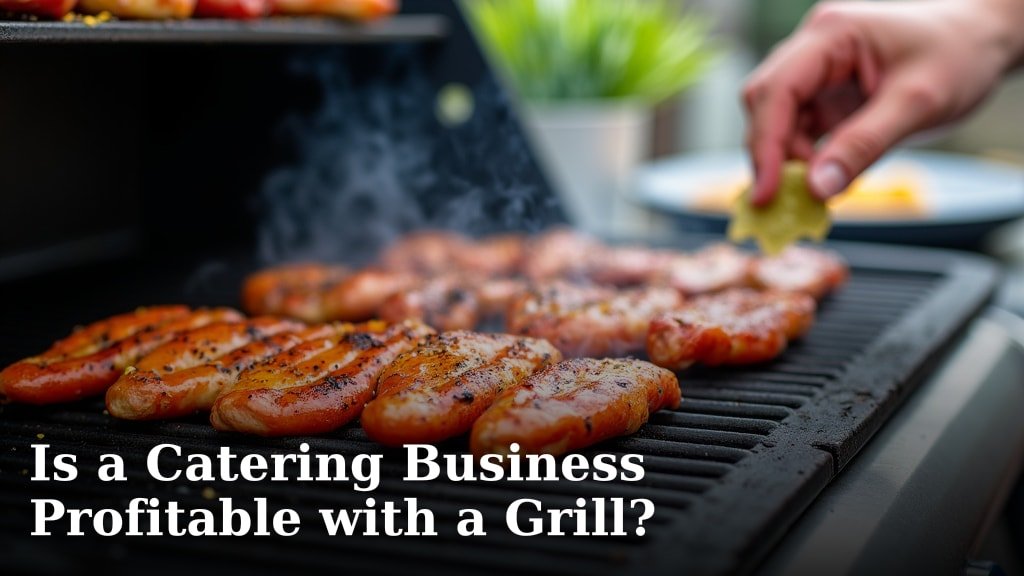
Yes, a catering business with a grill can absolutely be profitable. Grilling is a popular cooking method that appeals to many people. When done right, it can lead to high-profit margins and satisfied customers, making it a solid business choice.
Many successful catering businesses focus on grilled foods. Think of barbecue, taco bars, or even gourmet burger nights. The key is offering delicious food with efficient service. You can stand out by specializing in unique grilled dishes or excellent customer care, which are often overlooked aspects of a grill-focused business.
- Grill catering can be very profitable.
- Focus on popular grilled items like BBQ or tacos.
- Delicious food and great service are key.
- Specialize to stand out from competitors.
Ready to see if a grill catering business is the right fit for you? Let’s walk through what makes it work and how you can make it a success.
So, you’re thinking about firing up the grill and turning it into a business. That’s fantastic! You want to know if a catering business focused on grilled foods can actually make you money. Let’s get right to it.
Can a Grill-Centric Catering Business Be Profitable?
Absolutely. A catering business centered around grilling can be quite profitable. People love grilled food. It brings a sense of comfort and deliciousness that’s hard to beat. When you focus on quality and smart business practices, you can build a very successful venture.
Think about it: the smoky aroma, the perfect char marks, the juicy flavors. These are things people crave for events. Many chefs and caterers have found great success by specializing in grilled items. It’s not just about burgers and hot dogs anymore. We’re talking about gourmet experiences that pack a punch and bring in good revenue.
Understanding the Profitability Drivers
Several factors contribute to a grill catering business’s earning potential. Your menu is a big one. The quality of your ingredients matters. How you manage your costs is also key. And let’s not forget how you market your business.
Menu Engineering for Profit
What you put on your menu directly impacts your bottom line. Popular items like pulled pork, grilled chicken skewers, or street tacos tend to have good profit margins. These dishes often use relatively inexpensive cuts of meat that become delicious with proper grilling and seasoning. We found that menus offering a mix of crowd-pleasers and unique grilled specials perform very well.
Consider offering packages. This can simplify ordering for clients and help you predict your ingredient needs. For example, a “Backyard BBQ Bonanza” package could include ribs, chicken, corn on the cob, and potato salad. This makes it easy for customers and helps you bundle profits. Research shows that customers often appreciate well-thought-out packages (National Restaurant Association).
Ingredient Quality and Sourcing
While aiming for profit, don’t skimp on quality. High-quality ingredients lead to better-tasting food. Better food means happier clients and more repeat business. It’s a virtuous cycle. Fresh, local ingredients can often be sourced at competitive prices. We found that building relationships with local farmers can be a win-win situation.
However, you must balance quality with cost. Not every premium ingredient will fit every menu item. For instance, while a prime rib roast is amazing grilled, it might be too costly for a casual event. Choosing the right cuts of meat and vegetables is essential. This ensures your food is delicious without eating too much into your profits.
Operational Efficiency: The Secret Sauce
Profitability isn’t just about what you sell; it’s about how efficiently you operate. Streamlining your processes saves time and money. This means you can take on more jobs and serve more clients. It’s like a well-oiled machine, but with more delicious smoke.
Streamlining Your Grilling Process
Grilling can sometimes be labor-intensive. Think about how you can optimize your setup. Do you need multiple grills? What’s the most efficient way to prep and cook large quantities? Many caterers invest in commercial-grade grills that can handle high volume. This reduces cooking time and ensures consistent results.
We also found that investing in good staff training is crucial. Your team needs to know how to manage the grill safely and effectively. They should understand cooking times for different items and how to maintain food temperature. Proper training reduces errors and wasted food. This directly impacts your profit margin.
Logistics and Service Delivery
Getting the food from your grill to the client’s table is a major part of catering. This includes transportation, setup, and service. Cold food needs to stay cold, and hot food needs to stay hot. Investing in quality insulated carriers is a must. Many experts recommend checking temperature logs regularly (Food and Drug Administration).
Consider the service style. Will it be buffet, plated, or food stations? Each has different labor and equipment needs. Buffet service is often more cost-effective for large events. Food stations, however, can create a more interactive experience. You need to choose based on your target market and the type of events you’ll be handling.
Popular Grilled Catering Niches and Their Profit Potential
Focusing on a specific type of grilled cuisine can help you stand out. It allows you to become an expert and attract a dedicated customer base. Let’s look at a few profitable niches.
Barbecue Catering
Barbecue is a classic for a reason. It’s incredibly popular for all sorts of events, from casual backyard parties to corporate picnics. The profit potential here is high because many classic BBQ items, like pulled pork and ribs, can be made cost-effectively in large batches.
The key is great flavor and tender meat. You can offer a range of sauces and sides to upsell. Many BBQ catering businesses also offer delivery and setup, adding to their service revenue. We found that a well-marketed BBQ catering service can command premium prices, especially if you focus on authenticity or unique regional styles.
Taco and Fajita Bars
These are fantastic for events because they offer customization. Clients love the build-your-own aspect. You can grill various meats like chicken, steak, and even shrimp. Grilled vegetables add another delicious option.
The profit margins are good because you’re largely working with fresh ingredients and assembly. It’s less about long, slow cooking and more about quick grilling and consistent prep. Offering a variety of toppings, salsas, and accompaniments allows for upselling. This niche is very versatile and appeals to a wide audience.
Gourmet Burger and Slider Nights
Who doesn’t love a good burger? Elevating the humble burger into a gourmet experience can be very profitable. You can offer different types of patties—beef, turkey, veggie—and a wide array of premium toppings. Think artisanal cheeses, caramelized onions, and specialty sauces.
Sliders are also a hit. They’re perfect for appetizers or for guests who want to try multiple flavors. The cost of ingredients can vary widely here, allowing you to offer different price points. Research suggests that perceived value, driven by quality ingredients and presentation, allows for higher pricing (Cornell University School of Hotel Administration).
Grill-Focused Event Catering
Beyond specific food types, you can focus on the *event* itself. Think “Summer Grill Party,” “Outdoor Wedding BBQ,” or “Company Cookout.” This approach highlights the experience. It’s about creating a fun, relaxed atmosphere where great grilled food is the star.
You can partner with event planners or venues. This can lead to a steady stream of bookings. Your reputation for reliable, delicious grilled catering will be your best marketing tool. Word-of-mouth referrals are incredibly powerful in this industry.
Essential Equipment for Grill Catering
To run a successful grill catering business, you’ll need the right tools. This isn’t just about having a backyard grill; it’s about professional equipment that can handle demand.
The Right Grills for the Job
You’ll likely need more than one grill. Consider portable propane grills for smaller events or those at venues without built-in kitchens. For larger events, you might need larger, commercial-grade grills or even a smoker if you plan on doing a lot of low-and-slow BBQ.
- Portability: Can you easily transport it?
- Capacity: How much food can it cook at once?
- Fuel Type: Propane is common, but charcoal offers flavor.
- Durability: Commercial grills are built to last.
Supporting Equipment and Tools
Beyond the grill itself, think about what else you need. You’ll need quality grilling tools like long tongs, spatulas, and grill brushes. Insulated food carriers are essential for safe transport. Don’t forget serving utensils, disposable plates, napkins, and cutlery if you provide them.
Proper ventilation is also a concern, especially when cooking large amounts of food. You might need portable exhaust fans for certain setups. Safety equipment, like fire extinguishers and first-aid kits, is non-negotiable. These are often required by health departments and insurance providers.

Marketing Your Grill Catering Business
Getting your name out there is just as important as cooking great food. How do you attract clients?
Online Presence
A professional website is a must. It should showcase your menu, photos of your food, and testimonials. Social media is your best friend for visual appeal. Post mouth-watering pictures of your grilled creations. Engage with potential clients online.
Networking and Partnerships
Connect with event planners, wedding coordinators, and venue managers. Offer them a tasting or a special rate for referrals. Building these relationships can provide a consistent flow of **business leads**.
Special Offers and Events
Consider hosting tasting events for potential clients. Offer seasonal specials or discounts for booking in advance. Participating in local food festivals or community events can also increase your visibility.
Key Takeaways for Grill Catering Success
To wrap up, let’s distill the essentials for making your grill catering business profitable.
- Specialize: Find your niche, whether it’s BBQ, tacos, or gourmet burgers.
- Focus on Quality: Use good ingredients and execute your recipes perfectly.
- Manage Costs: Keep a close eye on food and operational expenses.
- Streamline Operations: Efficient processes save time and increase capacity.
- Market Effectively: Build a strong online presence and network with partners.
- Deliver Excellent Service: Happy clients lead to repeat business and referrals.
Conclusion
You’ve seen that a catering business built around grilling isn’t just a dream; it’s a profitable reality. By focusing on popular grilled niches like BBQ or taco bars, sourcing quality ingredients smartly, and streamlining your operations, you can build a thriving business. Remember, delicious food and excellent customer service are your secret ingredients. Your passion for grilling, combined with smart business practices, can truly set you apart. Ready to take the next step? Start by outlining a few signature dishes and researching local suppliers to see your vision come to life.
Frequently Asked Questions
What are the biggest startup costs for a grill catering business?
Startup costs often include purchasing professional-grade grills and essential cooking equipment. You’ll also need insulated food carriers for safe transport. Don’t forget initial marketing expenses like website development and permits, which can add up.
How can I ensure food safety when grilling for events?
Proper temperature control is key. Invest in reliable thermometers for both raw and cooked food. We found that maintaining cold food at 40°F or below and hot food at 140°F or above is critical for safety.
Is it better to specialize in one type of grilled food or offer a broader menu?
Specializing, like in barbecue or gourmet burgers, can help you become known for something specific. A broader menu might attract more types of events, but could stretch your resources thin. Research your local market to see what demand is like.
How much should I charge for my grilled catering services?
Pricing involves calculating your food costs, labor, overhead, and desired profit margin. Research what competitors charge for similar services. We found that creating tiered packages can simplify pricing and appeal to different client budgets.
What are the best ways to market a new grill catering business?
Start with a strong online presence, featuring high-quality photos of your food on a professional website and social media. Networking with event planners and venues can also generate consistent leads. Local community events are great for visibility, too.
