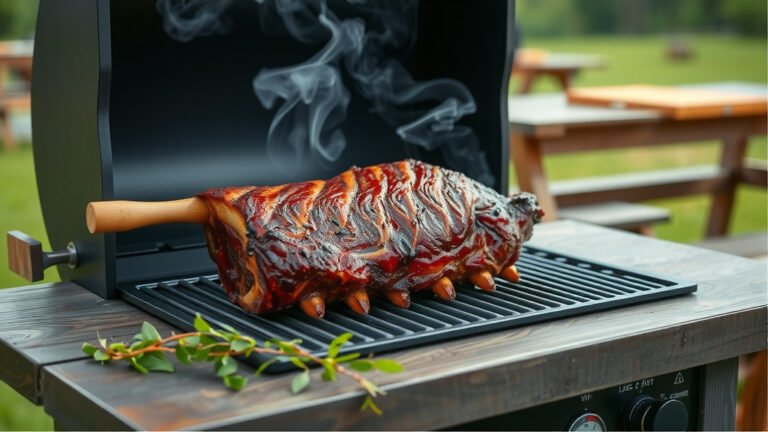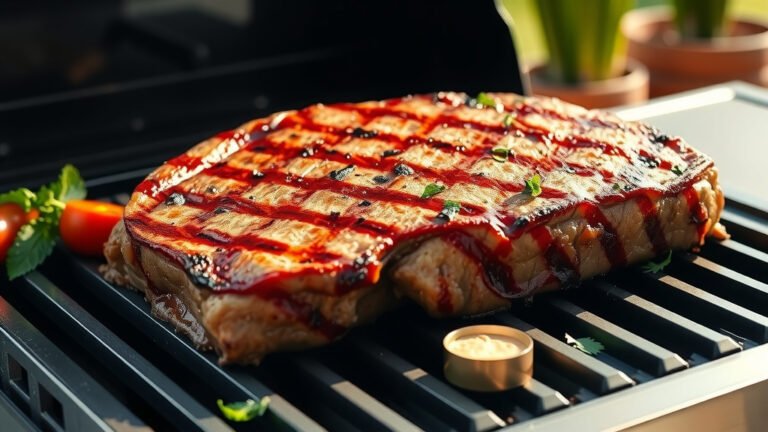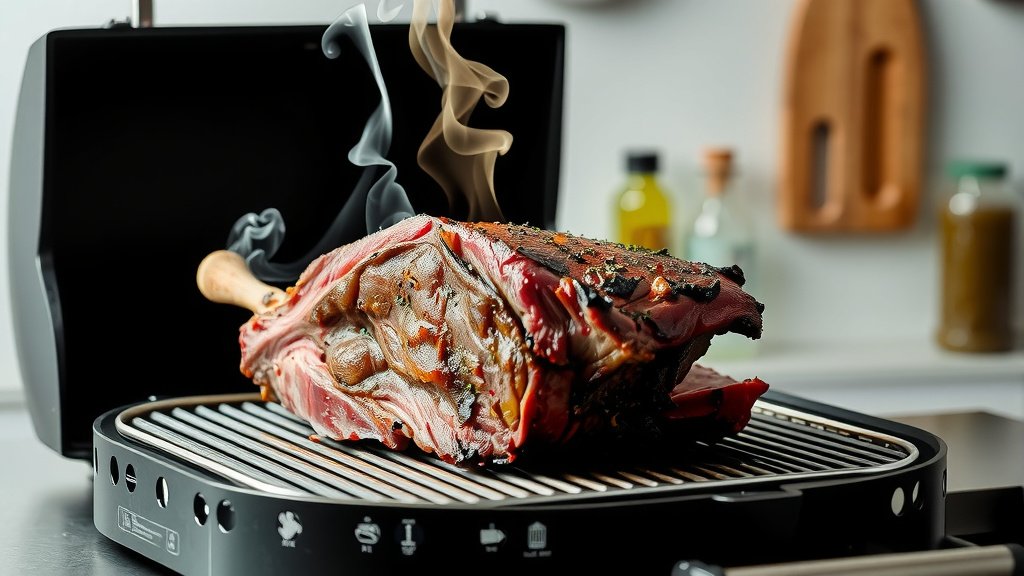
To smoke a prime rib on a pellet grill, you typically set your smoker to a low temperature, often around 225-250°F, and cook the roast until it reaches your desired internal temperature, usually 120-125°F for rare.
The key is to use a good meat thermometer and allow plenty of time for the prime rib to slowly absorb that delicious smoky flavor before a final sear, if you wish.
- To smoke a prime rib on a pellet grill, start with a well-trimmed and seasoned roast.
- Set your pellet grill to a low smoking temperature, usually 225°F.
- Smoke until the internal temperature reaches 120-125°F for rare, or higher for your preference.
- A crucial step is allowing the roast to rest after smoking to redistribute juices.
- Consider a quick reverse sear at the end for a perfect crust.
How To Smoke A Prime Rib On A Pellet Grill?
Smoking a prime rib on a pellet grill means achieving tender, juicy meat with a lovely smoky aroma. It brings out rich flavors without much effort.
You can create a memorable meal using this simple approach, perfect for holidays or special dinners with your family.
Picture this: a beautifully smoked prime rib, glistening, perfectly cooked, sitting center stage. That’s the dream, right? And with a pellet grill, it’s a dream that’s easier to catch than you might think.
Pellet grills offer steady temperatures and consistent smoke, making them an excellent choice for a big cut like prime rib. Let’s walk through how you can achieve this culinary victory.
Choosing Your Prime Rib Roast
Your journey to an amazing prime rib begins at the butcher shop. Selecting the right roast sets the stage for success.
We often find that a good quality piece of meat makes all the difference in the final taste and texture of your dish.
Bone-In vs. Boneless
This is a classic debate among grill enthusiasts. Bone-in roasts often add more flavor and insulate the meat better during cooking.
However, boneless roasts are easier to carve once cooked. Choose what works best for your cooking style and carving preferences.
Size Matters
Consider how many people you plan to feed. A good rule of thumb is about one pound of bone-in prime rib per person, or half a pound of boneless.
Always buy a little extra, just in case, especially if you enjoy leftovers.
Essential Prep Steps
Preparation is key for any smoking adventure. Taking a few moments here can really elevate your prime rib.
Think of it as laying the groundwork for a beautiful, smoky masterpiece.
Trimming the Fat
Prime rib usually comes with a fat cap. You want some fat for flavor and moisture, but not too much.
Trim the hard, thick fat down to about a quarter-inch layer. This helps the seasoning penetrate and prevents excessive greasiness.
Seasoning for Success
For prime rib, a simple rub often works best. You want to enhance the beef flavor, not overpower it.
Many experts say to use coarse salt, fresh cracked black pepper, garlic powder, and maybe a touch of dried rosemary or thyme.
Here’s a quick seasoning checklist:
- Pat the prime rib dry with paper towels.
- Apply a generous amount of coarse salt to all sides.
- Follow with fresh cracked black pepper.
- Add garlic powder, ensuring even coverage.
- Rub in any optional herbs like dried rosemary.
Setting Up Your Pellet Grill
Your pellet grill is your secret weapon for consistent low-and-slow cooking. Knowing how to set it up properly is crucial.
This stage ensures you get that steady smoke and even cooking you’re aiming for.
Picking the Right Pellets
The type of wood pellets you choose will affect the smoky flavor. Oak, hickory, or a competition blend are often good choices for prime rib.
These woods offer a robust, yet balanced, smoke profile that complements beef well.
Target Smoking Temperature
For a prime rib on a pellet grill, we found that 225°F to 250°F is the sweet spot. This lower temperature allows for a longer cook time.
A longer cook time means more smoke flavor absorption and a more tender result.
The Smoking Process
Now, the real magic begins. Placing your seasoned prime rib into the smoker is an exciting moment.
This is where patience pays off, allowing the grill to do its work slowly.
Place the prime rib directly on the grill grates. Insert a reliable meat thermometer into the thickest part of the roast, avoiding any bones.
Close the lid and let the pellet grill do its thing. Avoid peeking too often, as this releases heat and smoke.
Monitoring Internal Temperature
Internal temperature is your guide. For prime rib, don’t rely on cooking time alone. Here’s a general guide (USDA):
- Rare: 120-125°F
- Medium-Rare: 130-135°F
- Medium: 135-140°F
- Medium-Well: 140-145°F
Remember, the temperature will rise a few degrees during resting, so pull it off a little early.
The Importance of Resting
Once your prime rib reaches your desired internal temperature, remove it from the grill. Place it on a cutting board and tent it loosely with foil.
Allow it to rest for at least 20-30 minutes. This resting period lets the juices redistribute throughout the meat, making it incredibly tender and moist.
Finishing Strong: Reverse Sear
While optional, a reverse sear can add a beautiful, crispy crust to your prime rib. It’s a fantastic way to finish your smoked roast.
After resting, crank your pellet grill up to its highest setting, or use a cast-iron skillet over high heat.
Sear the prime rib on all sides for just a few minutes, until a nice crust forms. Be careful not to overcook the interior.
Slicing Your Masterpiece
After all that effort, slicing correctly ensures every piece looks and tastes perfect. Use a sharp carving knife for clean cuts.
Slice against the grain. This shortens the muscle fibers, making each bite more tender and enjoyable for your guests.
Common Prime Rib Questions Solved
Many people have questions when smoking a prime rib. Let’s address some typical concerns you might encounter.
Knowing these answers can help you troubleshoot and achieve the best results with confidence.
| Issue | Solution/Tip |
|---|---|
| Meat not getting smoky enough | Use a smoke tube with extra pellets, or choose stronger flavored pellets like hickory. |
| Prime rib stall | This is normal! The temperature pauses during cooking. Just keep smoking, it will push through. |
| Uneven cooking | Ensure your prime rib is brought to room temperature before smoking. Use a reliable thermometer. |
| Dry prime rib | Do not overcook. Always pull it off a few degrees before your target. Rest it properly. |
Conclusion
Smoking a prime rib on your pellet grill is a truly rewarding experience. From selecting the perfect roast to seasoning, smoking, and resting, each step plays a vital role.
With careful attention to temperature and technique, you’ll create a meal that’s full of flavor and incredibly tender. Enjoy the process, and savor every delicious slice of your perfectly smoked prime rib.
How long does it take to smoke a 5lb prime rib on a pellet grill?
For a 5lb prime rib smoked at 225°F, you can expect it to take about 3 to 4 hours to reach an internal temperature of 120-125°F for rare. Always cook to temperature, not just time.
Should I sear prime rib before or after smoking?
Many experts prefer to reverse sear, meaning you smoke the prime rib first at a low temperature, then sear it at a high temperature at the very end. This helps create a beautiful crust without overcooking the inside.
What is the best internal temperature for medium-rare prime rib?
For medium-rare prime rib, aim for an internal temperature of 130-135°F. Remember that the temperature will rise a few degrees after you remove it from the grill during the resting period.
Can I smoke a prime rib without a meat thermometer?
While possible, it is not recommended. A reliable meat thermometer is essential for accurately monitoring the internal temperature of your prime rib to ensure it is cooked to your desired doneness and safe for consumption.
What kind of pellets are best for prime rib?
For prime rib, robust wood pellets like oak, hickory, or a competition blend (often a mix of various hardwoods) are generally recommended. These offer a strong, complementary smoky flavor that pairs well with beef.