
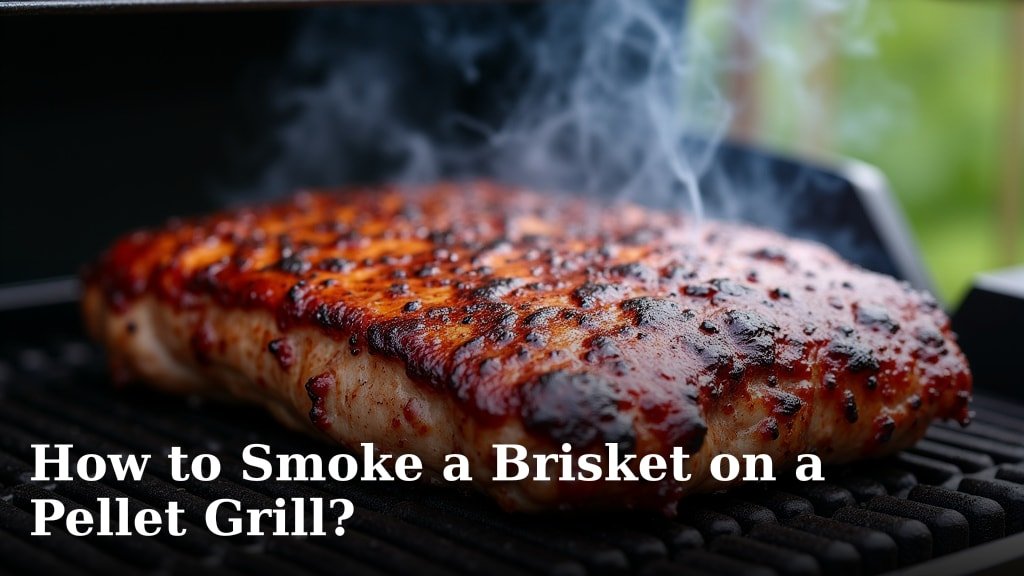
The easiest way to smoke a brisket on a pellet grill is by maintaining a consistent low temperature, selecting a high-quality brisket flat, and allowing plenty of time for the meat to tenderize. You will get super tender, smoky results if you follow a few key steps. Using a pellet grill makes the process much simpler than traditional offset smokers.
You can achieve that coveted barbecued brisket with minimal effort using a pellet grill. Many people find pellet grills take the guesswork out of temperature control, which helps ensure a perfectly cooked brisket every time. We found that the right preparation offers amazing flavor and texture.
- Prep your brisket by trimming fat.
- Apply your favorite rub generously.
- Set your pellet grill to a low smoking temp.
- Monitor internal temperature closely.
- Let it rest for juicy results.
Planning to smoke a brisket on your pellet grill? Let’s walk through everything you need to know to make your next barbecue a huge success, step by step.
Preparing Your Brisket for the Pellet Grill
Smoking a brisket starts long before it ever touches the grill grates. Proper preparation is key to a tender, juicy outcome. Think of it as laying the groundwork for a masterpiece. We’ve found that these initial steps really make a difference.
Choosing the Right Brisket
First things first, you need the right cut. For beginners, we highly recommend starting with a brisket flat. It’s leaner and typically easier to handle than a full packer brisket. Look for one with good marbling, which refers to the small flecks of fat within the muscle itself. This marbling melts during cooking, adding incredible flavor and moisture.
Quality matters here. Don’t just grab the cheapest option. A good quality brisket will have a more consistent texture and better flavor. We’ve found that better meat almost always leads to better results.
Trimming Your Brisket for Success
Trimming might sound intimidating, but it’s crucial. You’re removing excess fat that won’t render down during the long smoking process. Too much fat can prevent your rub from penetrating and create an unpleasant texture.
- Tools You’ll Need: A sharp boning knife or a flexible fillet knife works best.
- Remove Hard Fat: Focus on the hard patches of fat. These won’t melt.
- Leave a Thin Fat Cap: Aim for about 1/4 inch of soft fat on one side. This fat cap helps keep the meat moist.
- Shape for Even Cooking: Trim off any thin, flappy edges that might burn during the long cook. You want a relatively uniform shape for even heat distribution.
Many pitmasters suggest chilling the brisket for 30 minutes before trimming. This makes the fat firmer and much easier to cut cleanly. We found this tip to be very helpful.
Applying Your Brisket Rub
Once trimmed, it’s time for the rub! This is where much of your flavor comes from. You can use a pre-made brisket rub or create your own. A simple salt, pepper, and garlic (SPG) rub is a classic for a reason.
Don’t be shy with the rub. You need a good coating. Apply it generously to all sides of the brisket. Some people use a thin layer of mustard or hot sauce as a binder first, but it’s not strictly necessary. Let the rub sit on the brisket for at least 30 minutes, or even better, overnight in the refrigerator. This allows the flavors to meld and penetrate the meat.
Setting Up Your Pellet Grill for Brisket Smoking
Pellet grills are fantastic for brisket because they maintain a consistent temperature with minimal effort. This makes the “set it and forget it” dream a reality, mostly! However, there are still a few things to consider for optimal results.
Choosing the Right Wood Pellets
The type of wood pellets you use will greatly influence the smoky flavor of your brisket. Different woods impart different strengths and flavor profiles.
- Oak: A strong, classic flavor that pairs well with beef.
- Hickory: Also strong, with a more bacon-like smoky flavor.
- Mesquite: Very strong and can be overpowering for some. Use sparingly or blend.
- Pecan: A milder, nutty smoke flavor, great for blending.
- Blends: Many manufacturers offer “competition” or “hardwood” blends designed for beef. These are usually a safe bet.
We often recommend starting with oak or hickory for brisket. They are traditional and consistently deliver that rich, smoky taste you’re looking for. Using good quality pellets is important for clean smoke.
Maintaining Consistent Temperature
Consistency is king when smoking brisket. Fluctuations in temperature can lead to a dry, tough final product. Most experts agree that a low, steady temperature is best for breaking down the tough connective tissues in the brisket.
Aim for a grill temperature between 225°F and 250°F (107°C to 121°C). Pellet grills excel at holding these temperatures, but it’s still wise to have a separate, reliable digital thermometer to verify your grill’s internal temperature. Sometimes, the built-in gauge can be slightly off.
We find that slight temperature variations can happen, especially in cold or windy weather. Try to shield your grill from the elements if possible. Some pellet grills also have a “smoke” setting, which might produce more actual smoke flavor but can run at lower, less stable temperatures. We usually stick to the directed temperature for cooking.
The Brisket Smoking Process: Step-by-Step
You’ve prepped, you’ve setup. Now for the long wait! Smoking a brisket is a test of patience, but the reward is worth every minute.
The Initial Smoke Phase (The Stall)
Place your brisket directly on the grates, fat-cap side up if your heat source is from below, or fat-cap down if your heat source is from above. This helps protect the meat from direct heat. Close the lid and let the magic happen. For the first few hours, you’ll see a beautiful smoke ring forming, and the internal temperature will steadily rise.
After a few hours, typically when the internal temperature hits somewhere between 150°F and 170°F (65°C to 77°C), you’ll likely hit the dreaded “stall.” The brisket’s internal temperature will stop rising, and might even drop slightly. This happens due to evaporative cooling as moisture leaves the surface of the meat. Don’t panic! This is normal.
We have found that this stall can last for several hours, depending on the size of your brisket. Just keep the grill temperature steady and trust the process. Resist the urge to open the lid too often, as this releases heat and smoke, extending the cooking time.
Wrapping Your Brisket
Once you’re through the stall, or sometimes even before it, many pitmasters choose to wrap their brisket. Wrapping helps push through the stall faster and keeps the brisket incredibly moist. You have a couple of options:
| Wrapping Material | Pros | Cons |
|---|---|---|
| Butcher Paper | Allows some smoke to penetrate; holds moisture well; creates a good bark. | Can be harder to find; might be slightly less moist than foil. |
| Aluminum Foil | Locks in all moisture; speeds up cooking; readily available. | Bark might soften; less smoke penetration after wrapping. |
We generally recommend using unwaxed butcher paper for a slightly better bark, but foil works perfectly fine, especially for beginners. Wrap the brisket tightly, usually when it reaches that 165°F to 170°F (74°C to 77°C) internal temperature mark. Return the wrapped brisket to the grill.
Finishing the Cook
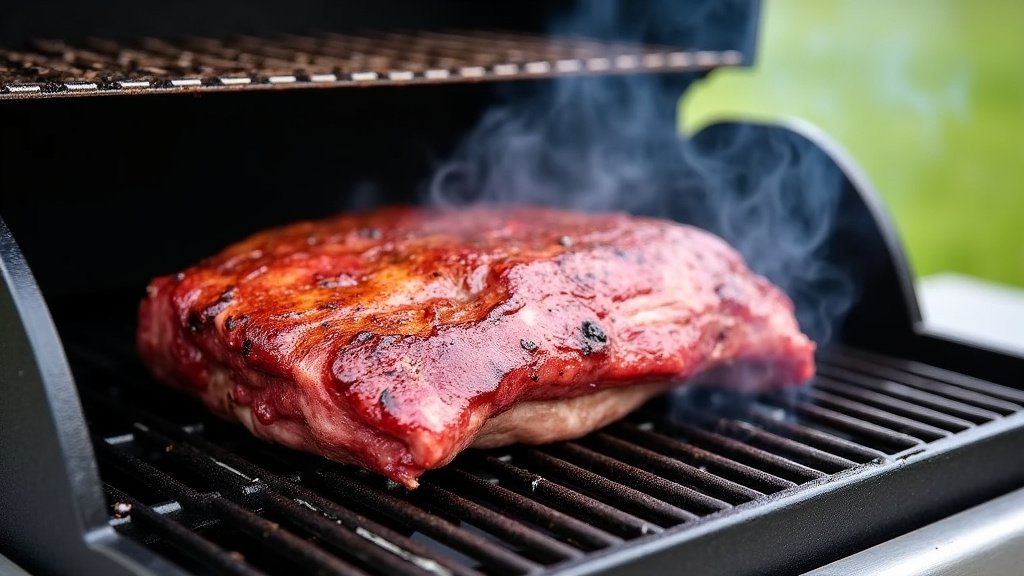
Continue smoking your wrapped brisket until it reaches an internal temperature between 200°F and 205°F (93°C to 96°C). More importantly, it should feel “probe tender.” This means a thermometer or skewer should slide into the meat with very little resistance, like it’s going into warm butter (Texas A&M AgriLife Extension). The exact temperature can vary slightly, so always rely on tenderness.
This final phase can take several more hours. Be patient and trust your thermometer. Plan for about 1.5 hours per pound of meat, but this is just a guideline. Every brisket is different.
The Crucial Resting Period
You’ve done it! Your brisket is probe tender and smells amazing. But do not cut into it yet! The resting period is arguably the most critical step for a juicy brisket.
Why Resting is Essential
During cooking, the muscle fibers contract and push moisture to the center. When you take the brisket off the heat, the fibers relax, allowing that moisture to redistribute evenly throughout the meat. Cutting too soon will cause all those precious juices to run out onto your cutting board, leaving you with dry brisket.
How to Properly Rest Your Brisket
Once removed from the grill, keep your brisket wrapped (either in its paper/foil or wrap it again if needed). Then, wrap it in a clean towel or two, and place it in an insulated cooler. Without ice or anything, just warm. This keeps the brisket hot and allows it to rest slowly.
Aim for a rest of at least 2 to 4 hours. We’ve even found success with rests up to 6 hours for larger briskets. The internal temperature will slowly drop to around 170°F (77°C), which is the perfect slicing temperature.
Before slicing, make sure you know which way the grain of the meat runs. Slicing against the grain is critical for tenderness.
Your Brisket Smoking Checklist:
- Select a high-quality brisket flat with good marbling.
- Trim hard fat, leaving about 1/4 inch of soft fat.
- Apply a generous rub, allowing it to sit for at least 30 minutes.
- Preheat your pellet grill to 225-250°F using preferred wood pellets.
- Smoke, wrapped or unwrapped, until probe tender (200-205°F).
- Rest the brisket in a cooler for 2-4 hours before slicing.
Conclusion
Smoking a brisket on your pellet grill might seem daunting, but it’s a remarkably rewarding experience. We’ve shown you that with careful preparation, consistent temperatures, and crucial resting time, you can achieve a truly fantastic result. Trust the process, monitor your meat, and resist the urge to peek too often. Your patience will be rewarded with incredibly tender, smoky brisket that will impress everyone at your next gathering. Go ahead, fire up that pellet grill and make some barbecue magic!
Frequently Asked Questions
How long does it typically take to smoke a 10-pound brisket on a pellet grill?
For a 10-pound brisket, you should generally plan for 10 to 15 hours of smoking time. This can vary based on your grill, external temperature, and how quickly the brisket moves through the stall. Always cook to tenderness, not strictly by time.
Do I need to spritz my brisket while it’s smoking?
Spritzing is optional but can help keep the surface moist and enhance bark development. If you choose to spritz, use apple cider vinegar, water, or apple juice every 30-60 minutes after the first few hours. Avoid opening your grill too frequently.
When should I add a water pan to my pellet grill for brisket?
Adding a water pan can help maintain a humid environment in your grill, which can aid in keeping the brisket moist. Place it at the beginning of the cook, directly on the grates next to the brisket. It’s especially useful in dry climates.
Why does my brisket stall, and what can I do about it?
The “stall” occurs when moisture evaporating from the brisket’s surface cools the meat, preventing the internal temperature from rising. It’s a natural phenomenon. The best way to get through it is to be patient or wrap the brisket tightly in butcher paper or foil.
Can I smoke a brisket without wrapping it?
Yes, you can smoke a brisket entirely unwrapped. This method is often called “naked brisket.” It typically results in a much thicker, firmer bark but can lead to a slightly drier interior if not managed carefully. It also usually extends the overall cooking time.
