
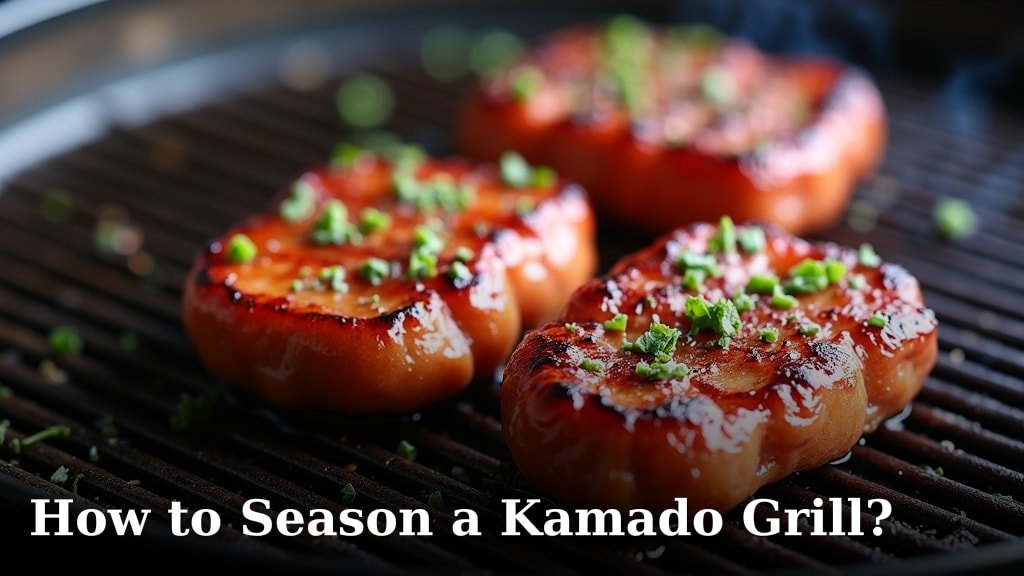
To season a Kamado grill, you should start by cleaning the grates thoroughly, then apply a thin layer of high smoke point cooking oil, and finally heat the grill gradually to bake the oil onto the surface. This process creates a non-stick, protective layer.
You want to take care of your new kamado grill, right? Seasoning your grill correctly is a vital first step. It helps protect the grates and ensures your food doesn’t stick during those amazing cooks. Many experts say a good seasoning also enhances the flavor of your food over time.
- Seasoning creates a non-stick surface.
- It protects the grill grates from rust.
- Use a high smoke point oil.
- Heat the grill gradually after oiling.
- Proper seasoning can improve food flavor.
Let’s walk through exactly how to season your Kamado grill, step by step, so you can start cooking like a seasoned pro.
Getting Your Kamado Grill Ready for Seasoning
Before you begin the seasoning process, a little prep work goes a long way. Think of it like preparing a canvas before painting. You want a clean, dry surface for the best results. This initial cleaning will ensure the oil adheres properly and creates a durable, non-stick layer.
Ensure Your Grill Grates Are Clean
First things first. You need to make sure your grates are sparkling clean. Any leftover food bits or manufacturing residues will prevent the seasoning from bonding correctly. We found it’s best to start with a blank slate.
Initial Wash for New Grates
If your kamado grill is brand new, its grates might have manufacturing oils or dust. Give them a good wash with warm, soapy water. Use a non-abrasive sponge or cloth. Mild dish soap is perfect here. Rinse them thoroughly to remove all soap residue. You don’t want any suds sneaking into your first cook!
Scraping Off Old Residue
For grates that have been used before, you might need to put in a little more effort. A sturdy grill brush is your best friend here. Scrape off any stuck-on food or carbon buildup. Make sure you get into all the nooks and crannies. A clean grate ensures your new seasoning layer will be even and effective.
Thoroughly Dry Your Grates
Water and hot oil don’t mix well. After cleaning, it’s absolutely critical to dry your grates completely. Any moisture can cause the oil to splatter or create a less effective seasoning layer. We recommend letting them air dry naturally in the sun for an hour or so. If you’re in a hurry, you can use a clean towel, but make sure it’s lint-free. You don’t want towel fibers baking onto your cooking surface.
Choosing the Right Oil for Seasoning Your Kamado
The type of oil you use is more important than you might think. You need an oil with a high smoke point. This means it can get very hot before it starts to smoke and burn. Using the wrong oil can lead to a sticky, burnt mess rather than a smooth, seasoned surface. Think of it as choosing the right paint for your canvas.
Why High Smoke Point Oils Are Best
When you season, you’re essentially baking the oil onto the metal surface. This process is called polymerization. For this to work, the oil needs to reach its smoke point and beyond without breaking down into acrid fumes. High smoke point oils form a durable, protective layer. Lower smoke point oils, like butter or extra virgin olive oil, will just burn and leave a sticky residue that is hard to clean. Many experts agree on this point (Cook’s Illustrated).
Recommended Oils for Kamado Seasoning
Here’s a quick list of great options for seasoning your grill. These oils are readily available and perform exceptionally well.
- Grapeseed Oil: Very high smoke point (around 420°F / 215°C) and thin consistency.
- Avocado Oil: Even higher smoke point (around 520°F / 271°C), but can be a bit pricier.
- Flaxseed Oil: Excellent for seasoning, but can be expensive and sometimes tricky to apply evenly.
- Vegetable Oil (Canola, Sunflower): Good all-around choice, widely available, and economical.
- Crisco Shortening: A classic for cast iron, also works well for grill grates.
Oils to Avoid
You definitely want to steer clear of certain oils. These can leave a sticky, rancid coating that makes food stick even more. Nobody wants that! Avoid oils that have a low smoke point or strong flavors.
- Olive Oil (especially Extra Virgin): Smoke point is too low, will burn and become greasy.
- Butter: Burns quickly, leaves a sugary residue.
- Lard/Bacon Grease (initial seasoning): While great for flavor in subsequent cooks, stick to high smoke point vegetable oils for the foundational seasoning layer.
The Step-by-Step Seasoning Process
Now for the main event! This is where you transform your clean grates into a perfectly seasoned cooking surface. Follow these steps carefully, and you’ll be well on your way to delicious meals. Take your time; patience is a virtue in seasoning.
Applying the Oil Correctly
Less is more when it comes to oil application. You want a very thin, even coat. Think of it like polishing furniture, not soaking it. Too much oil will result in a sticky, gummy surface.
How to Apply a Thin Layer
Dip a lint-free cloth or paper towel into your chosen high smoke point oil. Then, wipe down every surface of your grates. Use a circular motion to ensure full coverage. Once coated, use a clean, dry cloth to wipe off any excess oil. It should look like there’s almost no oil left. The goal is to leave behind just a microscopic film. This creates the best polymerization.
The Crucial Heating and Cooling Cycles
This is where the magic happens. The heat bakes the oil onto the metal, creating that desired non-stick surface. You’ll perform several heating cycles to build up a robust seasoning layer.
First Heating Cycle
Place the oiled grates back into your Kamado grill. Close the lid and slowly bring the temperature up. Aim for around 300-350°F (150-175°C). Hold this temperature for about 45 minutes to an hour. You might see a little smoke; this is normal as the oil bakes on. After this time, let the grill cool down completely. This cooling phase is just as important as the heating phase, allowing the polymer layer to set.
Repeat for Optimal Seasoning
Once the grill is cool, repeat the oiling and heating process. Apply another very thin layer of oil, wipe off excess, then heat the grill again to the same temperature for 45-60 minutes. Allow it to cool completely. We recommend doing this at least 3-4 times for new grates. Each layer builds upon the last, creating a more durable and non-stick finish.
Here’s a quick overview of the process:
| Stage | Action | Key Point |
|---|---|---|
| Prep | Clean grates with soap and water, dry thoroughly. | Removes manufacturing residue or old food. |
| Oil Application | Apply a very thin coat of high smoke point oil. | Wipe off all visible excess. |
| Heating Cycle | Heat grill to 300-350°F for 45-60 minutes. | This bakes the oil onto the metal. |
| Cool Down | Let grill cool completely to ambient temperature. | Allows the seasoning layer to set. |
| Repeat | Perform 3-4 cycles of oiling, heating, and cooling. | Builds a durable, non-stick surface. |
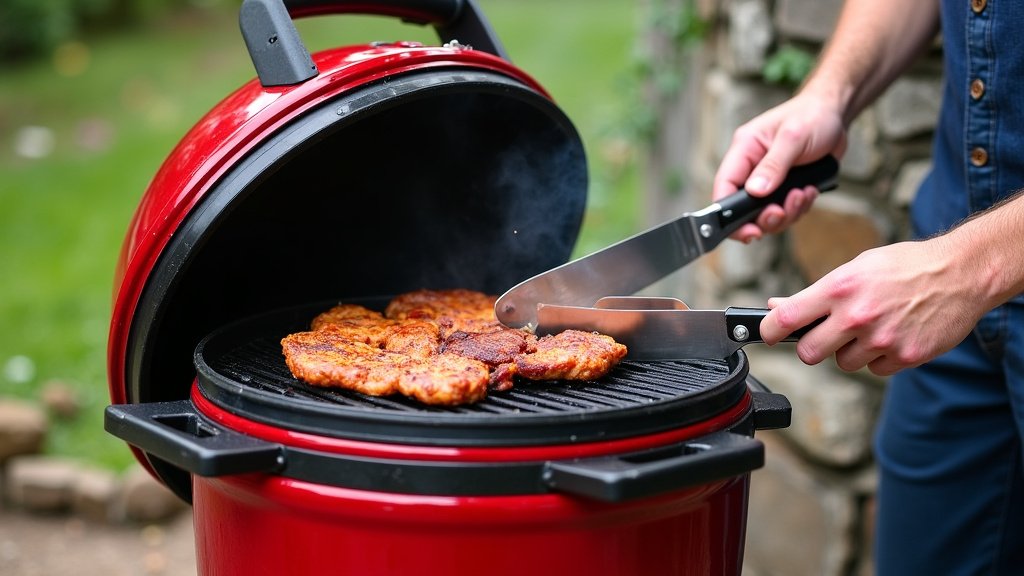
Kamado Seasoning Checklist
To make sure you’ve covered all your bases, use this handy checklist. It helps ensure you don’t miss any critical steps and get the best possible results from your seasoning efforts.
- Grates are completely clean and dry.
- Selected a high smoke point oil (e.g., grapeseed, avocado).
- Applied a very thin, even layer of oil to all grate surfaces.
- Wiped off all excess oil after application.
- Slowly brought grill temperature up to 300-350°F (150-175°C).
- Maintained temperature for 45-60 minutes per cycle.
- Allowed grill to cool completely before re-oiling.
- Completed at least 3-4 full seasoning cycles.
Maintaining Your Kamado Grill’s Seasoning
Seasoning isn’t a one-and-done deal. It’s an ongoing relationship! Just like taking care of a good cutting board or a cast iron pan, regular maintenance will keep your grill in top shape. Consistent care means consistent performance.
After Each Cook
Once you’ve finished grilling, while the grates are still warm (but not scorching hot), give them a quick clean. Use a good quality grill brush to remove any food residue. Then, apply another very light layer of cooking oil. This helps replenish the seasoning and protects against rust. It’s like giving your grates a little spa treatment after a hard day’s work.
Addressing Sticky Spots or Rust
Things happen, even with the best intentions. If you notice sticky spots or a tiny bit of surface rust appearing, don’t fret! You can often just clean that specific area thoroughly with hot water and a brush. Dry it completely and then re-season that spot. For more stubborn issues, you might need to use a stainless steel scourer on the affected area, then proceed with a full re-seasoning of the grate (University of Minnesota Extension).
Remember, a well-maintained, seasoned Kamado grill will serve you for many years. It will provide a non-stick surface, protect your grates, and even contribute to the flavor of your delicious grilled food. Happy grilling!
Conclusion
Seasoning your Kamado grill grates is a small investment of time that pays off big. By following these steps—from thorough cleaning and drying, to applying the right oil and performing multiple heating cycles—you’re setting yourself up for success. You’re creating a protected, non-stick cooking surface that will enhance countless meals. Keep up with routine maintenance, and your grill will be a joy to use for years to come. Now you’re ready to master those coals and grill confidently!
Frequently Asked Questions
How often should I re-season my kamado grill grates?
You don’t need to do a full re-seasoning often after the initial process. After each cook, a light cleaning and quick wipe with oil helps maintain the layer. A full re-seasoning is only needed if you notice significant sticking or rust developing.
Can I use my Kamado grill right after seasoning, or do I need to wait?
Yes, you can use your Kamado grill immediately after completing the seasoning cycles and allowing it to cool down a final time. The seasoning process bakes the oil onto the grates, preparing them for immediate use. Just be prepared for potential strong flavors from the oil in your first cook.
Will seasoning change the flavor of my food?
Eventually, yes! A well-seasoned grate contributes a subtle, savory depth to your grilled foods over time. Initially, you might notice a very slight taste from the breaking down of the oil, but this quickly dissipates. It’s part of developing that desirable “grill flavor.”
What if my grates still feel sticky after seasoning?
A sticky residue usually means you applied too much oil during the process. The excess oil didn’t properly polymerize and instead became gummy. You’ll need to clean the sticky areas thoroughly, then reapply a much thinner layer of oil and repeat the heating cycle.
Does the ceramic interior of the Kamado grill need seasoning?
No, the ceramic body of your Kamado grill does not need to be seasoned. Seasoning is exclusively for the metal cooking grates. The ceramic is designed to withstand high temperatures and requires only occasional cleaning, not an oil application.
