How to Maintain a Flat Top Griddle?
On this page (9 sections)
- Keeping Your Flat Top Griddle Pristine: A Step-by-Step Guide
- Daily Cleaning: The Foundation of Griddle Care
- The Art of Seasoning Your Flat Top Griddle
- Dealing with Rust and Stubborn Stains
- Protecting Your Griddle When Not in Use
- Your Griddle Maintenance Checklist
- Choosing the Right Tools for the Job
- Conclusion
- Frequently Asked Questions
The best way to maintain your flat top griddle is through regular cleaning and proper seasoning. You should scrape off food bits after every use. Then, apply a thin layer of cooking oil to prevent rust. This simple routine keeps your griddle in top shape for delicious meals. It’s not as hard as it might seem!
Keeping your griddle clean and seasoned is key to its longevity. A well-maintained griddle ensures even heating and prevents food from sticking. We found that consistent care also makes your cooking experience much more enjoyable. Think of it as treating your griddle right, so it can treat you to perfect pancakes and seared burgers.
- Scrape off food residue after each cooking session.
- Wipe down the surface with a damp cloth.
- Apply a light coat of cooking oil to prevent rust.
- Re-season periodically if needed for a non-stick surface.
- Protect it when not in use to keep it clean.
Ready to give your flat top the TLC it deserves? Let’s walk through the best practices step by step to keep it looking and performing its best.
Keeping Your Flat Top Griddle Pristine: A Step-by-Step Guide
Taking care of your flat top griddle isn’t just about making it look good. It’s about ensuring delicious results every time you cook. A well-maintained griddle heats evenly and provides that perfect non-stick surface. We found that a little bit of regular attention goes a long way.
Daily Cleaning: The Foundation of Griddle Care
Think of daily cleaning as giving your griddle a quick spa treatment. It’s the most important step for preventing buildup and keeping your cooking surface smooth. You want to tackle this right after you finish cooking, while the griddle is still warm.
Scraping Off Food Debris
Your trusty spatula is your best friend here. After cooking, use it to scrape away any leftover food particles. Don’t let them harden on the surface. A metal spatula is usually the go-to tool. We found that getting all the bits off prevents them from burning on during your next cooking session.
If you have a lot of stuck-on food, don’t panic. You can add a little water to the warm griddle. This helps loosen stubborn bits. Then, scrape them away. Just be cautious, as steam can be hot!
Wiping Down the Surface
Once the loose debris is gone, you’ll want to give the surface a good wipe. Use a soft cloth or paper towels. A damp cloth works wonders for a final clean sweep. Make sure you don’t use too much water, as you don’t want to douse a hot griddle.
Some griddle owners prefer using a specialized griddle cleaner. While these can be effective, many find a simple water and cloth method perfectly sufficient. We found that consistency is more important than the specific cleaning agent used.
Addressing Grease Management
Most flat top griddles have a grease trap or collection channel. After scraping, push any excess grease into this area. Empty the grease trap regularly. Old grease can become rancid and affect the taste of your food. It can also be a fire hazard. Many guidelines suggest emptying it after each use or at least daily (National Fire Protection Association).
Don’t let grease sit in the trap for too long. It’s best to dispose of it safely. Let it cool completely before throwing it away. This simple step helps maintain a cleaner cooking environment.
The Art of Seasoning Your Flat Top Griddle
Seasoning is what gives your griddle its slick, non-stick surface. It’s similar to seasoning a cast iron pan. You’re essentially creating a protective layer of polymerized oil. This layer prevents rust and makes cooking much easier.
Why Seasoning Matters
A well-seasoned griddle is a joy to cook on. Food releases easily, and cleaning becomes a breeze. It also protects the metal from moisture, which can lead to rust. Many experts recommend seasoning as a critical step for longevity (The American Culinary Federation).
How to Season Your Griddle
First, ensure your griddle is clean and completely dry. Then, apply a very thin layer of cooking oil. High smoke point oils are best. Think vegetable oil, canola oil, or grapeseed oil. You want just enough to lightly coat the surface.
Wipe away any excess oil. You want a microscopic layer, not a puddle. Then, heat the griddle. The temperature depends on the oil you use, but generally around 350-400°F is good. Let it heat for about 15-30 minutes until the oil just starts to smoke. Turn off the heat and let it cool.
Repeat this process a few times. Many sources suggest seasoning your griddle 3-5 times initially to build a good base layer. You’ll see the surface darken and become smoother with each layer. It’s like building up layers of protection and slickness.
Maintaining the Seasoning
Your griddle’s seasoning isn’t permanent. It can wear down with heavy use or improper cleaning. That’s where regular maintenance comes in.
After cleaning and drying your griddle, always apply a thin coat of oil. This is often called “oiling down.” It keeps the existing seasoning protected. It also adds a fresh micro-layer. This simple step, done after every cleaning, is key to preventing rust and maintaining that non-stick surface.
Dealing with Rust and Stubborn Stains
Even with the best care, rust can sometimes appear. Don’t get discouraged! It’s usually fixable. Rust happens when the protective oil layer is compromised and the metal is exposed to moisture. Addressing it promptly is important.
Removing Rust
For light rust spots, you can often use steel wool or a griddle screen. Scrub the affected area gently. You might need a bit of elbow grease here. After scrubbing, wipe the area clean. Then, you’ll need to re-season that spot.
Apply a thin layer of oil to the cleaned area and heat the griddle. A temperature around 350°F for about 15 minutes should do the trick. This helps polymerize the oil and restore the protective layer. For heavier rust, you might need a more abrasive method or a specialized rust remover, but always follow up with thorough re-seasoning.
Tackling Burnt-On Food
Sometimes, food can get really baked on. If scraping and water don’t work, try a degreaser. There are specific griddle degreasers available. Alternatively, a baking soda paste can sometimes help lift tough stains. Let it sit for a bit before scrubbing gently.
Always rinse thoroughly after using any cleaning agents. Then, dry the griddle completely. Re-seasoning is a must after deep cleaning. We found that a little patience and the right technique can conquer most stubborn messes.
Protecting Your Griddle When Not in Use
Just like you wouldn’t leave your favorite pan out in the rain, protecting your griddle is crucial. Storage is key to preventing unwanted elements from affecting your cooking surface.
Using a Griddle Cover
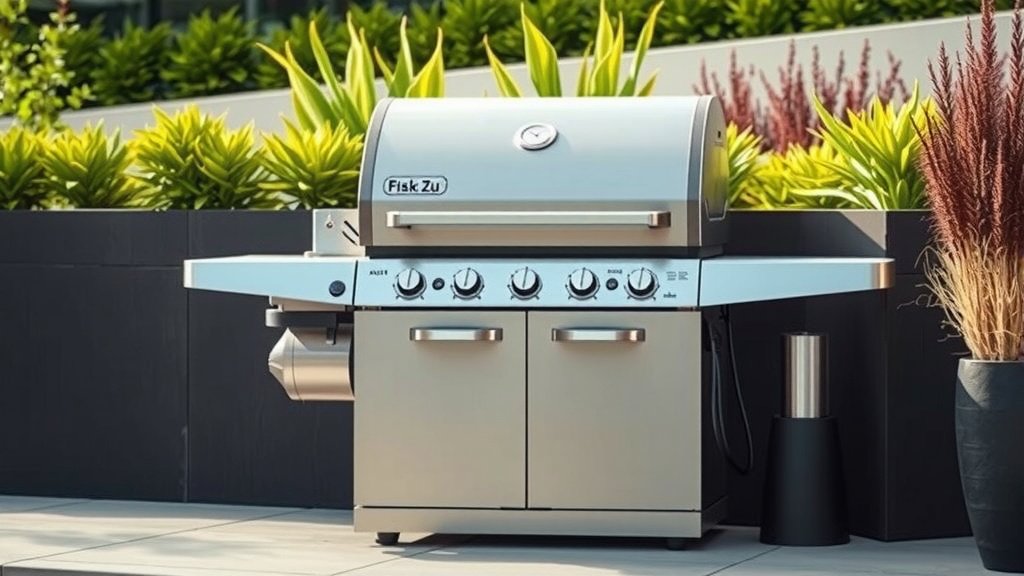
If your griddle is portable, a fitted griddle cover is a great investment. It keeps dust, dirt, and moisture away. For built-in griddles, a tight-fitting lid or a heavy-duty grill cover works well. This simple measure prevents damage and contamination.
Indoor Storage Tips
If you store your griddle indoors, ensure it’s in a dry location. Avoid humid basements or garages if possible. A quick wipe-down with oil before storage is always a good idea, even if you plan to use it soon.
Your Griddle Maintenance Checklist
Here’s a quick rundown to keep your griddle in tip-top shape:
- Scrape off food bits after every cooking session.
- Wipe down with a damp cloth (or appropriate cleaner).
- Empty and clean the grease trap regularly.
- Apply a thin coat of oil after cleaning and drying.
- Address any rust spots immediately and re-season.
- Use a protective cover when not in use.
Choosing the Right Tools for the Job
Having the right equipment makes all the difference. Investing in a few good tools can save you time and effort.
Essential Cleaning Tools
You’ll want a sturdy metal spatula for scraping. A griddle scraper with a handle is also very useful. For cleaning, have a few dedicated rags or paper towels on hand. A bottle of high-smoke-point oil is essential for seasoning and maintenance.
Optional but Helpful Items
A griddle brush with stiff bristles can help with tougher jobs. Some people like a bristle-free grill brush. If you have a larger griddle, a long-handled squeegee can be handy for wiping down the surface efficiently. A dedicated griddle cover is also a smart accessory.
Conclusion
You’ve learned that keeping your flat top griddle in prime condition is all about consistent care. Regular cleaning after each use, proper seasoning, and protecting it from the elements are your best defenses against rust and wear. We found that these simple habits build a non-stick surface that makes cooking a joy. Don’t let tough messes or rust discourage you; you have the tools to tackle them. Now, go forth and confidently cook up delicious meals on your beautifully maintained griddle!
Frequently Asked Questions
How often should I season my flat top griddle?
You should aim to season your griddle whenever the existing seasoning starts to look dull or food begins to stick more often. For most users, a light re-seasoning after a deep clean, or when you notice the surface losing its slickness, is sufficient. This isn’t usually a daily or even weekly task if you’re cleaning and oiling it properly after each use.
Can I use soap to clean my flat top griddle?
Generally, it’s best to avoid harsh soaps, especially on a well-seasoned griddle. Soap can strip away the polymerized oil layer you’ve worked hard to build. For everyday cleaning, scraping and a damp cloth are usually enough. If you have very greasy build-up, a mild degreaser designed for griddles might be used sparingly, but always follow up with re-seasoning.
What’s the best type of oil for seasoning?
You want to use cooking oils with a high smoke point for seasoning. Great choices include vegetable oil, canola oil, grapeseed oil, or even lard. These oils can withstand higher temperatures without burning off too quickly, allowing them to polymerize effectively. Avoid low-smoke-point oils like olive oil for the initial seasoning process.
My griddle is developing hot spots. How can I fix this?
Hot spots often indicate uneven seasoning or a bent surface. Ensure you’re applying oil evenly during seasoning and that your griddle is heating uniformly. For minor hot spots, consistent cleaning and seasoning might help. If the griddle surface is warped, it might be harder to achieve perfectly even heat, and you may need to adjust your cooking techniques to compensate.
How do I store my griddle during the off-season?
If you’re storing your griddle for an extended period, make sure it’s thoroughly clean and dry. Apply a fresh, thin layer of cooking oil to the entire surface to protect it from moisture and rust. Then, cover it with a protective lid or a heavy-duty cover to keep dust and debris out. Store it in a dry location, away from humidity.