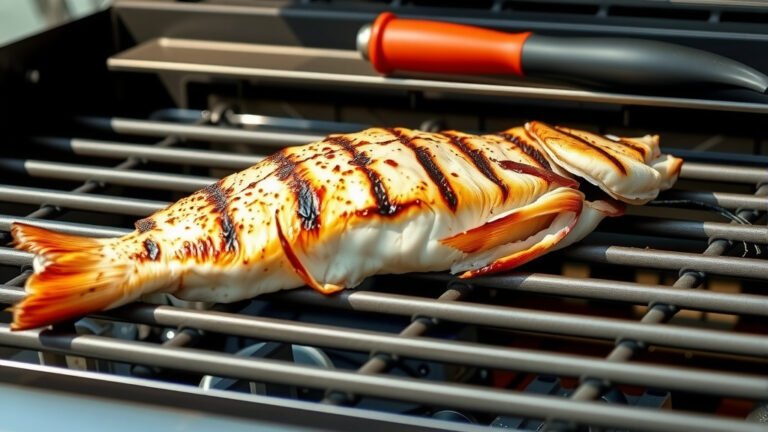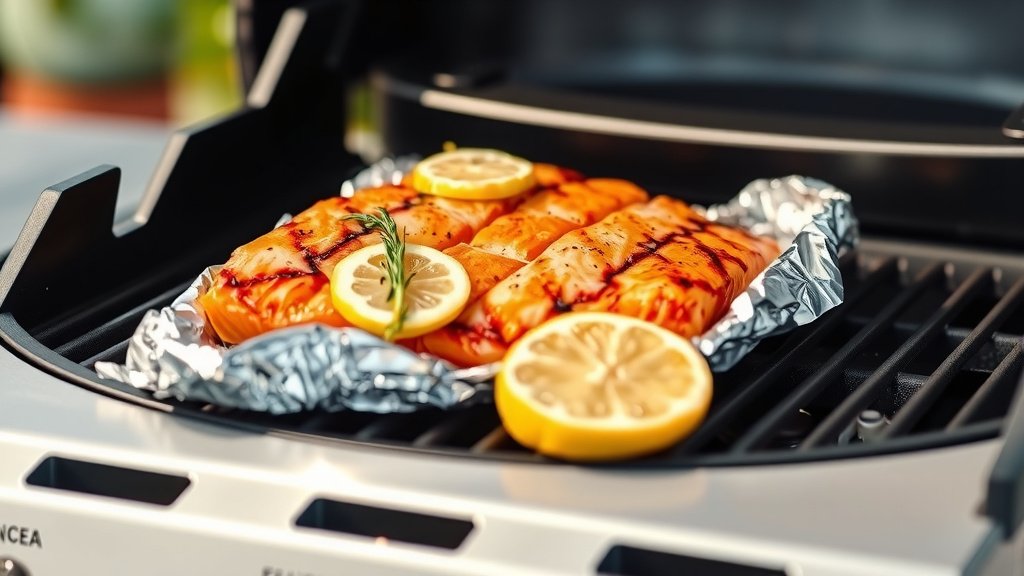
To grill salmon on a gas grill in foil, you’ll first wrap your seasoned salmon fillets tightly in heavy-duty aluminum foil packets, creating a steamy environment that locks in moisture and flavor. Place these packets on a preheated grill over medium heat (around 375-400°F) for 12-18 minutes, flipping halfway through, until the fish flakes easily with a fork.
Cooking salmon in foil on a gas grill is a fantastic way to ensure a moist, flavorful fillet with minimal cleanup, making it a go-to method for many grill masters.
Here’s a quick overview of what you’ll find:
- Get your gas grill ready for perfect salmon.
- Discover the best way to prep and season your fish.
- Learn exactly how to create those moisture-locking foil packets.
- Understand the right grill temperature and cooking times.
- Find out how to tell when your salmon is perfectly done.
How To Grill Salmon On Gas Grill In Foil?
Grilling salmon in foil on your gas grill is simpler than you might think, yielding tender, flaky fish every time. This method protects the delicate flesh from direct flame, preventing it from drying out.
Why Choose Foil for Grilling Salmon?
Using foil isn’t just a trick; it’s a proven method for success with delicate fish. Many experts say foil creates a steam bath effect, which keeps the salmon incredibly moist. It also protects against flare-ups and makes cleanup a breeze, which is always a bonus after a delicious meal.
Choosing the Right Salmon Fillets
When you’re at the store, look for fresh, firm salmon fillets, about 1 inch thick. Wild-caught varieties, like sockeye or coho, often have a richer flavor, but farmed Atlantic salmon works beautifully too. We found that fillets with skin on help hold their shape, though skinless works fine when wrapped tightly in foil.
Gather Your Grilling Gear
Before you start, gather everything you’ll need. This preparation saves you from running back and forth while the grill heats up. Think of it like a chef’s mise en place; it makes the cooking process smoother.
- Salmon fillets (1 inch thick)
- Heavy-duty aluminum foil
- Olive oil or melted butter
- Lemon (for slices or juice)
- Fresh herbs (dill, parsley, thyme)
- Salt and black pepper
- Your favorite seasoning blends
- Grill tongs
- Meat thermometer (optional, but recommended)
Prepping Your Gas Grill
Getting your grill ready is a key first step. Preheat your gas grill to a medium heat setting, aiming for about 375-400°F (190-205°C). We found that a stable medium heat ensures even cooking without burning. Make sure your grill grates are clean to prevent sticking and transfer of old flavors.
Cleaning Grill Grates
Brush your grill grates thoroughly while they’re hot. This removes any leftover food particles. A clean grill surface means better heat transfer and a cleaner taste for your salmon. Some grill masters suggest lightly oiling the grates too, even with foil packets, just for good measure.
Seasoning the Salmon Fillets
This is where you infuse big flavor into your fish. A simple touch of olive oil, salt, and pepper is often enough. But why stop there? Think about adding fresh dill, a squeeze of lemon, or even a dash of garlic powder. The foil will trap these aromatics, making the flavors really pop.
| Flavor Profile | Suggested Seasonings |
|---|---|
| Classic Lemon-Herb | Olive oil, lemon slices, fresh dill, salt, black pepper |
| Garlic Butter | Melted butter, minced garlic, parsley, salt, pepper |
| Spicy Kick | Olive oil, paprika, cayenne pepper, garlic powder, onion powder |
| Sweet & Savory | Brown sugar, soy sauce, ginger, a hint of sesame oil |
Crafting the Foil Packets
This part is super important for moist salmon. Tear off a piece of heavy-duty aluminum foil, roughly 12×18 inches. You want enough to create a sealed packet. Place your seasoned salmon fillet in the center. Add any extra goodies like lemon slices, herbs, or a pat of butter. This little pocket creates a sauna for your fish.
Sealing the Packet Properly
Bring the long sides of the foil together over the salmon and fold them down tightly, creating a seam. Then, roll up the short ends to seal them. The goal is to make a tight package that traps all the steam and juices inside. We found that a good seal prevents any leakage onto your grill and keeps the salmon from drying out.
Grilling the Salmon to Perfection
Carefully place your foil packets directly onto the preheated grill grates. Close the grill lid to maintain a consistent temperature. The cooking time will vary slightly depending on your grill and the thickness of your fillets, but generally, it’s pretty quick.
Cooking Times and Temperature
For 1-inch thick fillets, grill for about 12-18 minutes total over medium heat (375-400°F). Flip the packets gently halfway through, around the 6-9 minute mark. Many experts say that checking the internal temperature with a meat thermometer is the most accurate way to know when it’s done. Aim for 145°F (63°C) (USDA).
Checking for Doneness
How do you know it’s ready? The easiest way is the fork test. Carefully open one packet (watch out for steam!). Insert a fork into the thickest part of the salmon. If it flakes easily, you’re good to go! If it still looks translucent in the middle, reseal the packet and cook for another 2-3 minutes.
Resting Your Cooked Salmon
Just like with other meats, letting your salmon rest for a few minutes after grilling is a good idea. Take the packets off the grill and let them sit for 5 minutes. This allows the juices to redistribute, resulting in an even juicier, more tender fish. It’s a small step that makes a big difference.
Your Grilling Checklist for Success
To make sure your salmon grilling goes smoothly, here’s a quick list to follow:
- Preheat grill to 375-400°F.
- Clean grill grates thoroughly.
- Season salmon generously.
- Wrap fillets tightly in heavy-duty foil.
- Grill for 12-18 minutes, flipping once.
- Check for 145°F internal temperature.
- Rest salmon for 5 minutes before serving.
Conclusion
Grilling salmon in foil on a gas grill is a straightforward and forgiving method that promises a delicious, moist result every time. By following these simple steps—from prepping your grill and seasoning your fish to crafting the perfect foil packet and knowing when it’s done—you’ll create a meal that’s both impressive and easy. It’s a wonderful way to enjoy fresh salmon, bringing out its natural flavors with minimal fuss. So go ahead, fire up that grill and enjoy a fantastic meal!
What kind of foil should I use for grilling salmon?
Always use heavy-duty aluminum foil for grilling salmon. It’s thicker and less likely to tear, ensuring your foil packet stays intact and keeps all the juices sealed inside during cooking. Regular foil can sometimes be too thin and prone to punctures.
Can I add vegetables to the foil packet with the salmon?
Yes, absolutely! Adding quick-cooking vegetables like thin-sliced asparagus, bell peppers, onions, or cherry tomatoes to your foil packet is a fantastic idea. They’ll steam alongside the salmon, absorbing its flavors and creating a complete, healthy meal in one packet.
How do I prevent the salmon from sticking to the foil?
To prevent sticking, ensure you lightly coat the inside of your foil packet with olive oil, melted butter, or cooking spray before placing the salmon inside. This creates a barrier between the fish and the foil, making it much easier to remove once cooked.
Is it okay to open the foil packet to check for doneness multiple times?
While it’s fine to check once or twice, try to avoid opening the foil packet too frequently. Each time you open it, steam escapes, which is crucial for keeping the salmon moist. It also lowers the internal temperature, potentially extending the cooking time.
What if I don’t have heavy-duty foil?
If you only have regular aluminum foil, you can still use it by doubling up. Tear off two sheets and place one on top of the other, then proceed with making your foil packet as usual. This extra layer provides similar protection and strength to heavy-duty foil.