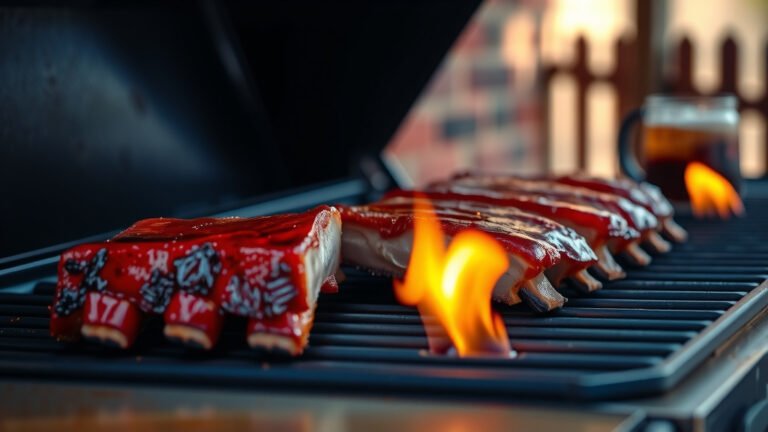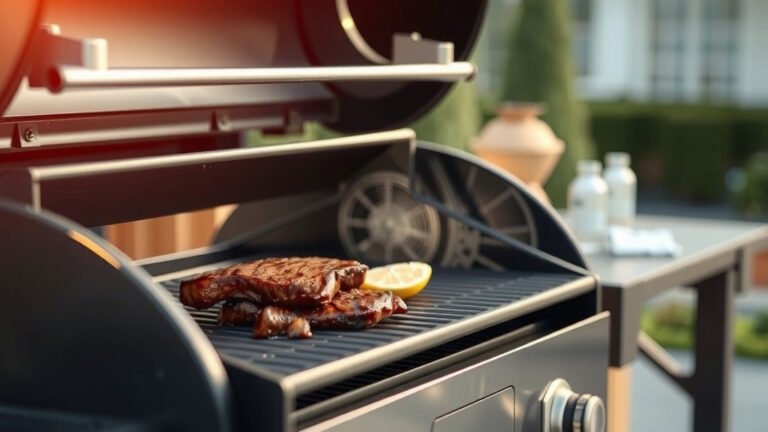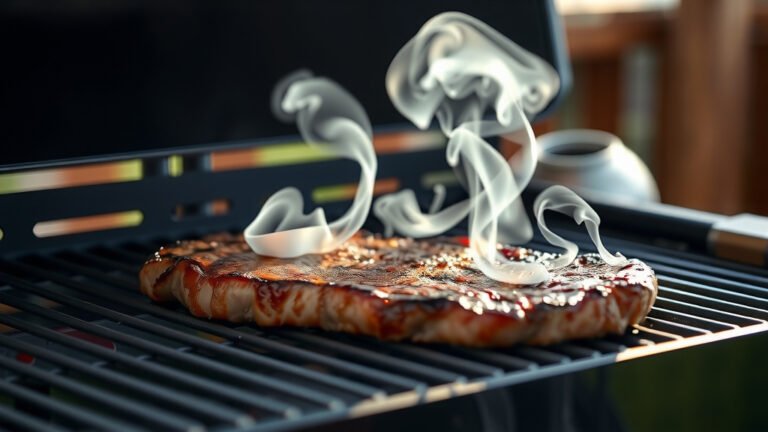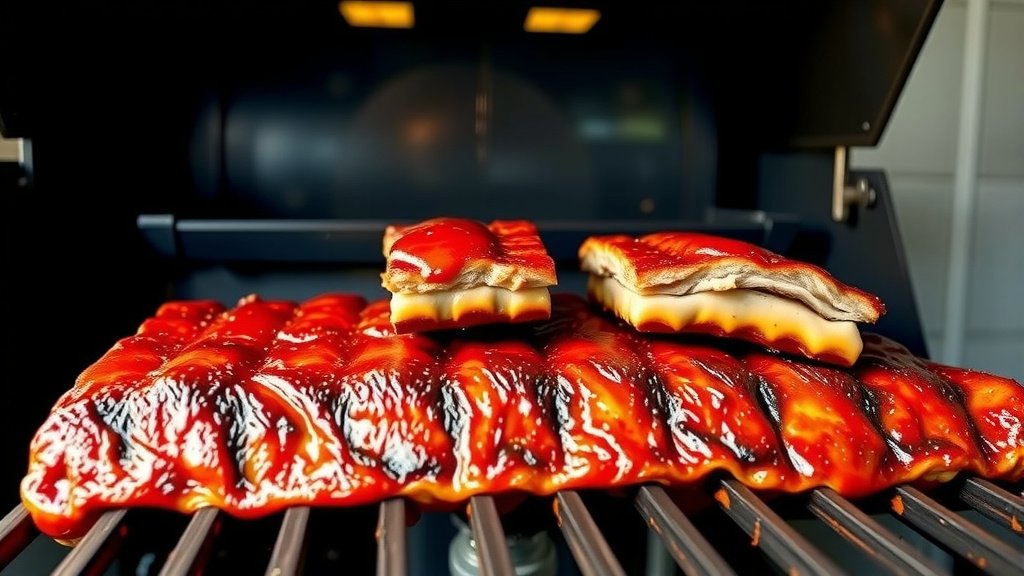
To grill ribs on a gas grill, use a two-zone cooking method: one side hot for searing (optional) and the other low for slow cooking.
You will cook the ribs indirectly at a consistent low temperature, typically around 250-275°F (120-135°C), for several hours until they are truly tender.
Here’s what you need to know about grilling ribs on a gas grill quickly:
- Set up your gas grill for indirect heat, creating a cooler cooking zone.
- Prepare your ribs by removing the tough membrane and applying a flavorful dry rub.
- Cook them low and slow at 250-275°F (120-135°C) for several hours until very tender.
- Apply barbecue sauce during the last 30-60 minutes for a delicious glaze.
- Always rest your grilled ribs before slicing to keep them moist and juicy.
How To Grill Ribs On Gas Grill?
You can grill ribs on a gas grill by creating indirect heat and cooking them slowly at a low temperature.
This method ensures your ribs become incredibly tender and flavorful without burning, delivering fantastic results.
Why Choose a Gas Grill for Ribs?
Many home cooks find gas grills offer excellent temperature control for ribs. You can set a specific temperature and mostly forget it, unlike charcoal grills which require more active management.
This precision makes achieving that “low and slow” cooking style much simpler. It’s also cleaner and faster to start, which can be a real benefit on busy days.
Picking the Right Ribs
The type of ribs you choose impacts cooking time and flavor. Baby back ribs are smaller and cook faster, usually in 2-3 hours.
St. Louis-style spareribs are larger and meatier, often needing 4-6 hours. We found St. Louis ribs offer more surface area for rub, leading to a richer flavor.
Preparing Your Ribs for the Grill
Proper preparation is key to amazing gas grill ribs. Don’t skip these steps.
Remove the Membrane
Flip the ribs bone-side up. Look for a thin, papery membrane covering the bones. Slide a knife under it at one end, then grab it with a paper towel and pull it off.
This step is often overlooked but makes a huge difference in tenderness, preventing a chewy texture (Cook’s Illustrated).
Apply Your Dry Rub
A good dry rub adds a deep layer of flavor. Pat your ribs dry, then generously coat both sides with your favorite rub.
Let the ribs sit at room temperature for 30 minutes, or refrigerate them for several hours, allowing the flavors to meld.
Setting Up Your Gas Grill for Success
Creating two cooking zones is crucial for grilling ribs on a gas grill.
The Two-Zone Setup
Turn on one or two burners on one side of your grill to medium-low heat. Leave the other burners off. This creates a hot zone and a cool, indirect zone.
Your goal is to maintain an internal grill temperature of 250-275°F (120-135°C) in the indirect zone. Use an accurate grill thermometer to monitor this.
Adding Smoke Flavor (Optional)
While gas grills don’t naturally produce smoke, you can add it. Place a smoker box or a foil packet of wood chips (pre-soaked for 30 minutes) directly over the active burner.
This helps infuse a wonderful, smoky taste into your ribs (Serious Eats).
The Low and Slow Grilling Process
Ribs thrive on patience. Rushing the process leads to tough ribs.
Initial Cook Time
Place the ribs bone-side down in the indirect heat zone. Close the lid. Maintain that 250-275°F temperature.
Cook baby back ribs for 2 hours, and St. Louis ribs for 3 hours, before checking on them.
The “3-2-1” Method Adaptation
Many experts use a 3-2-1 method for larger ribs, adapted for gas grills:
- 3 hours: Smoke/cook uncovered in indirect heat.
- 2 hours: Wrap tightly in foil with a splash of apple juice or broth, then return to indirect heat. This steaming phase tenderizes them beautifully.
- 1 hour: Unwrap and return to indirect heat. This allows the bark to firm up and prepare for saucing.
For baby back ribs, you might use a “2-2-1” or “2-1-30 minutes” adaptation due to their smaller size.
When Are Your Ribs Done?
The “bend test” is the most reliable indicator of doneness.
Carefully pick up one end of a rack with tongs. If the rack bends significantly and the meat looks like it’s about to tear, they’re ready. The bones should not be falling out, but they should wiggle easily.
Saucing Your Ribs
Apply your favorite barbecue sauce during the final stages of cooking.
| Saucing Stage | Temperature (Indirect Zone) | Duration | Purpose |
|---|---|---|---|
| First Coat | 250-275°F (120-135°C) | 30 minutes | Builds initial glaze |
| Second Coat | 250-275°F (120-135°C) | 15 minutes | Deepens flavor, enhances shine |
| Third Coat (Optional) | 250-275°F (120-135°C) | 15 minutes | Thickens glaze, caramelizes slightly |
Don’t sauce too early, or the sugars in the sauce can burn. Apply sauce in the last 30-60 minutes of cooking, letting it caramelize without scorching.
The All-Important Rest
Just like any grilled meat, ribs need to rest. Remove them from the grill and loosely tent them with foil for at least 15-20 minutes.
This allows the juices to redistribute throughout the meat, resulting in incredibly moist and flavorful ribs.
Gas Grill Ribs Checklist
Here’s a quick list to ensure you hit all the marks:
- Remove the membrane from the ribs.
- Apply a generous amount of dry rub.
- Set up your gas grill for two-zone indirect cooking.
- Maintain a consistent grill temperature of 250-275°F (120-135°C).
- Cook “low and slow” until ribs pass the bend test for doneness.
- Apply BBQ sauce in the final 30-60 minutes of cooking.
- Rest the ribs for 15-20 minutes before slicing and serving.
Troubleshooting Common Rib Grilling Issues
Even seasoned grillers face challenges sometimes.
Ribs Are Dry
This often happens from cooking at too high a temperature or not wrapping the ribs during the mid-cooking phase. Ensure your indirect heat stays low and consistent.
Ribs Are Tough
If your ribs are chewy, they likely didn’t cook long enough. Patience is a virtue here; extend the cooking time until they are truly tender.
Conclusion
Grilling ribs on a gas grill is entirely achievable and can yield incredibly tender, flavorful results. By mastering indirect heat, maintaining a steady low temperature, and embracing the “low and slow” approach, you’ll impress everyone.
Remember to prepare your ribs well, trust the bend test for doneness, and always allow them to rest. Soon, you’ll be enjoying perfectly grilled ribs from your gas grill, no special smoker needed!
FAQs About Grilling Ribs on a Gas Grill
Can I use aluminum foil to wrap ribs on a gas grill?
Yes, wrapping ribs in aluminum foil, often called the “Texas Crutch,” is an excellent way to tenderize them during the middle phase of cooking. Add a splash of liquid like apple juice or broth inside the foil for extra moisture.
How long does it take to grill baby back ribs on a gas grill?
Baby back ribs typically take about 2.5 to 4 hours to grill on a gas grill, cooking indirectly at 250-275°F (120-135°C). The exact time will depend on their size and your grill’s consistency.
What temperature should my gas grill be for ribs?
For grilling ribs on a gas grill, aim for an indirect cooking temperature of 250-275°F (120-135°C). This low and slow heat is crucial for breaking down connective tissues, leading to tender meat.
How do I know when gas grilled ribs are done?
The best way to tell if gas grilled ribs are done is by the “bend test.” Pick up one end of the rack with tongs; if it bends significantly and cracks appear on the surface, with the meat almost tearing, they are ready. The bones should also twist easily.
Do I need a smoker box for ribs on a gas grill?
You don’t absolutely need a smoker box, but it can significantly enhance the flavor. A smoker box or a simple foil pouch filled with pre-soaked wood chips placed over the active burner will add a delicious smoky element to your gas-grilled ribs.