How To Grill Kabobs On Gas Grill?
To grill kabobs on a gas grill, preheat your grill to medium-high (about 375-400°F), then place your prepared skewers over direct heat for 2-3 minutes per side, rotating until all sides are seared and cooked through.
You’ll achieve juicy, flavorful kabobs by properly preparing your ingredients, managing your grill’s temperature, and ensuring even cooking without burning.
TL;DR: Here’s a quick guide to perfect kabobs on your gas grill:
- Soak Wooden Skewers: Prevent burning by soaking them for 30 minutes.
- Evenly Cut Ingredients: Ensures everything cooks at the same rate.
- Preheat Your Grill: Get to a medium-high temperature for a great sear.
- Cook Over Direct Heat: Rotate often for consistent doneness and char marks.
- Rest Before Serving: Helps the juices redistribute for maximum flavor.
How To Grill Kabobs On Gas Grill?
Grilling kabobs on a gas grill involves careful preparation, consistent heat management, and attentive turning to achieve a delicious meal.
Many home cooks find this method very accessible and rewarding for weeknight dinners or backyard gatherings.
Your Kabob Adventure Starts: The Prep Work
Before you even think about lighting your grill, some key steps make all the difference for amazing kabobs. It’s like setting the stage for a culinary show!
Choosing the Right Skewers
Are you using wooden or metal skewers? Both have their perks. Wooden skewers need to be soaked in water for at least 30 minutes before grilling.
This simple step prevents them from catching fire on the hot grates (Grilling Basics Handbook).
Metal skewers are reusable and conduct heat, which can help cook your ingredients from the inside out a bit faster.
Many experts recommend flat metal skewers to prevent your food from spinning when you turn them.
Ingredient Selection and Sizing
This is where the magic really happens. Choose meats and vegetables that cook at similar rates. Think chicken breast and bell peppers, or steak kabobs with onions.
For uniform cooking, cut all your ingredients into roughly 1 to 1.5-inch pieces. This ensures everything finishes cooking around the same time.
Have you ever had a kabob with perfectly cooked meat but raw veggies? We found that uneven sizing is often the culprit.
Marinating for Maximum Flavor
A good marinade is your best friend when grilling kabobs. It adds flavor and can help tenderize your meat.
Marinate chicken and pork for at least 30 minutes, or up to 4 hours. Beef can go longer, even overnight, for deeper flavor absorption.
Many culinary experts suggest using a marinade with some oil, an acid (like lemon juice or vinegar), and seasonings.
Setting Up Your Gas Grill for Success
Think of your gas grill as a powerful oven. You need to know how to control its heat for optimal results. It’s not just about turning it on!
Clean Grill Grates are a Must
Before you preheat, give your grill grates a good scrub with a wire brush. This removes old food particles that can stick to your kabobs.
Clean grates also prevent flare-ups and help create those beautiful grill marks. A dirty grill can impact both flavor and safety (Food Safety Guidelines).
Preheating Your Grill Correctly
Turn on your gas grill burners to medium-high heat. Close the lid and let it preheat for 10-15 minutes.
You’re aiming for a temperature around 375-400°F. This high initial heat is important for searing the outside of your kabobs.
Many grilling enthusiasts agree that proper preheating is crucial for preventing sticking and achieving a good crust.
Creating Heat Zones
For kabobs, we found that having two heat zones is very helpful. Keep one side on medium-high (direct heat) and another on low or off (indirect heat).
This allows you to move kabobs to a cooler spot if they’re cooking too fast or if you need to finish them without burning.
It’s a smart technique that gives you greater control over your cooking process.
The Art of Grilling Kabobs
Now, it’s time for the fun part: cooking! But don’t just throw them on and walk away. Grilling kabobs requires your attention.
Placing Kabobs on the Grill
Lightly oil your clean, hot grill grates to prevent sticking. You can do this by dipping a paper towel in a little high-smoke-point oil (like canola or grapeseed) and rubbing it over the grates with tongs.
Place your kabobs over the direct heat zone. Don’t overcrowd the grill. Give each kabob space to breathe and cook evenly.
Grilling Times and Turning Technique
For beef kabobs, grill for about 8-12 minutes total, turning them every 2-3 minutes. You want to cook all sides until they are nicely seared.
The total time will vary depending on your ingredients. Chicken kabobs need to reach 165°F internal temperature (USDA Food Safety).
Beef doneness is a matter of preference. Vegetables should be tender-crisp. Use a meat thermometer to be sure.
| Kabob Ingredient | Approximate Grilling Time (Direct Heat) | Internal Temp (if applicable) |
|---|---|---|
| Chicken (1-inch cubes) | 8-10 minutes | 165°F |
| Beef (1-inch cubes) | 8-12 minutes | 135°F (medium-rare) – 160°F (well-done) |
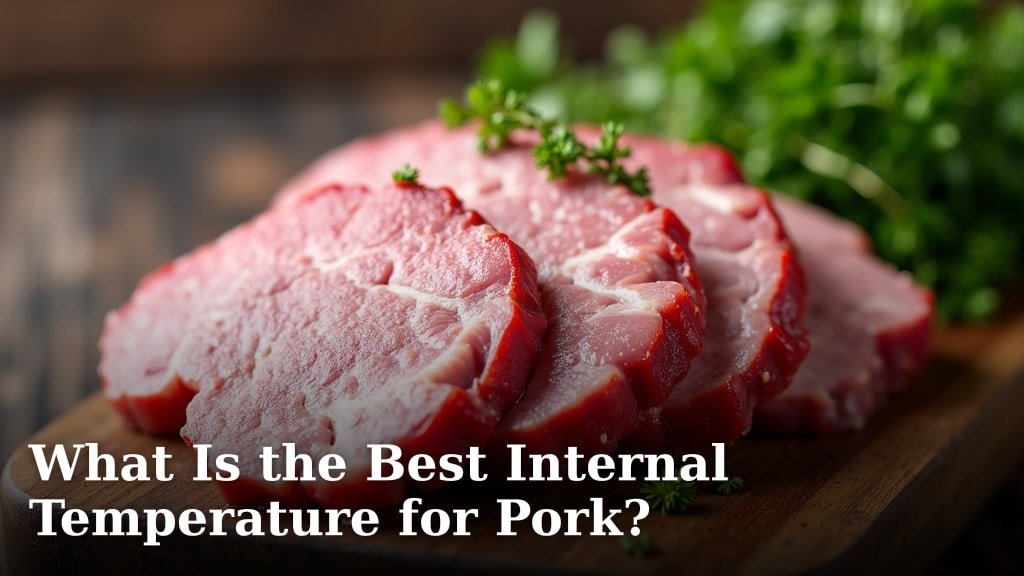
| Pork (1-inch cubes) | 8-10 minutes | 145°F (with a 3-minute rest) |
| Shrimp | 3-5 minutes | Opaque and pink |
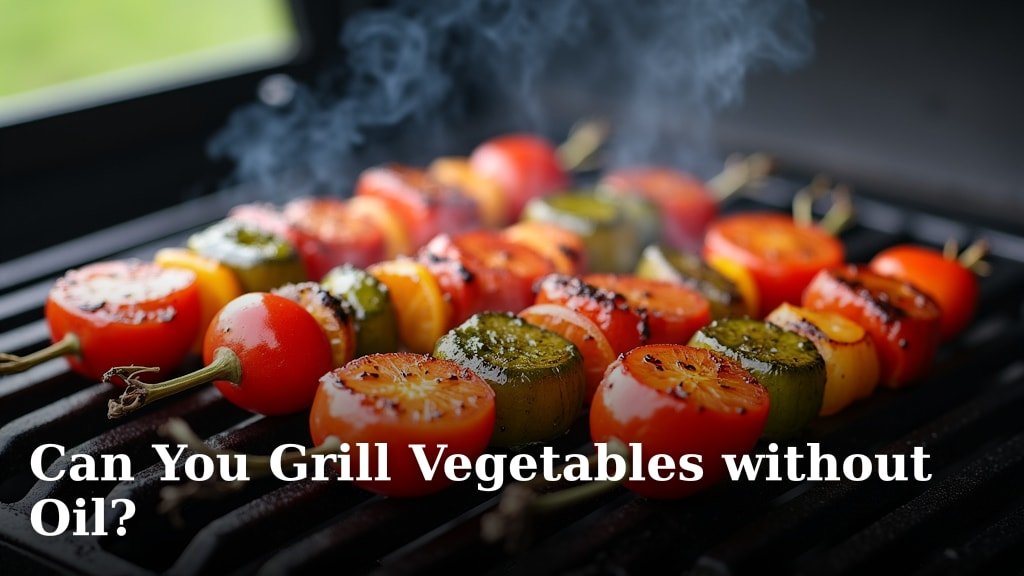
| Bell Peppers, Onions, Zucchini | 6-8 minutes | Tender-crisp |
Avoiding Dryness and Burning
If your kabobs are browning too quickly, move them to the indirect heat zone to finish cooking. This prevents charring while still allowing them to cook through.
You can also brush them with any leftover marinade (if it hasn’t touched raw meat) or a finishing sauce during the last few minutes of grilling for extra moisture and flavor.
The Final Touch: Resting and Serving
Your hard work isn’t over yet. A crucial step often overlooked is resting the meat. It makes a big difference!
Why Resting is Important
Once your kabobs are cooked, remove them from the grill and place them on a clean platter. Cover loosely with foil and let them rest for 5-10 minutes.
This allows the juices in the meat to redistribute throughout, resulting in a much more tender and moist kabob.
We found that skipping this step can lead to dry, less flavorful meat, which nobody wants after all that effort!
Serving Suggestions and Enjoyment
Slide the ingredients off the skewers and onto plates, or serve them directly on the skewers. Kabobs are wonderfully versatile.
They pair well with rice, a fresh salad, or some warm pita bread. Add a sprinkle of fresh herbs like parsley or cilantro for a burst of color and flavor.
It’s time to enjoy the fruits of your grilling labor!
Quick Checklist for Grilling Kabobs
Before you fire up the grill, quickly go through this list to ensure you’re ready:
- Skewers soaked (if wooden)?
- Ingredients cut evenly?
- Meat marinated sufficiently?
- Grill grates clean?
- Gas tank has enough fuel?
- Grill preheated to 375-400°F?
- Two heat zones established?
- Meat thermometer ready?
- Tongs and oil for grates nearby?
- Clean platter for resting ready?
Conclusion
Grilling kabobs on a gas grill is a fantastic way to enjoy delicious, versatile meals. By focusing on proper preparation, heat management, and attentive cooking, you can create flavorful and perfectly cooked skewers every time.
Remember to cut your ingredients evenly, use a good marinade, and don’t forget to rest your kabobs for the juiciest results. Now go forth and grill some amazing kabobs!
How do I prevent kabobs from sticking to the gas grill?
To prevent kabobs from sticking, ensure your grill grates are clean and hot before you begin. Lightly oil the grates with a high-smoke-point oil using a paper towel and tongs. Also, avoid turning the kabobs too early; let them sear for a couple of minutes until they naturally release from the grates.
What’s the best way to cut vegetables for kabobs?
Cut vegetables into uniform 1 to 1.5-inch pieces. This size helps them cook evenly alongside your chosen protein. Harder vegetables like potatoes should be parboiled first, or cut into smaller pieces than softer vegetables like bell peppers or zucchini.
Can I use frozen vegetables for kabobs?
Using frozen vegetables for kabobs is generally not recommended. Frozen vegetables tend to release a lot of water as they thaw and cook, which can make your kabobs watery and prevent proper searing. Fresh vegetables will give you much better texture and flavor on the grill.
Should I marinate all kabob ingredients together?
Yes, you can often marinate most kabob ingredients together, especially if they are going on the same skewer. However, if using very different ingredients (e.g., delicate seafood with robust beef), it’s better to marinate them separately according to their specific needs. Always use food-safe practices and discard any marinade that has touched raw meat if not boiling it.
How can I tell if my kabob meat is cooked through?
The most reliable way to check if your kabob meat is cooked through is by using a meat thermometer. Insert it into the thickest part of the meat, avoiding the skewer. Chicken needs to reach 165°F (USDA Food Safety). Pork should be 145°F (followed by a 3-minute rest), and beef doneness varies by preference, from 135°F for medium-rare to 160°F for well-done.