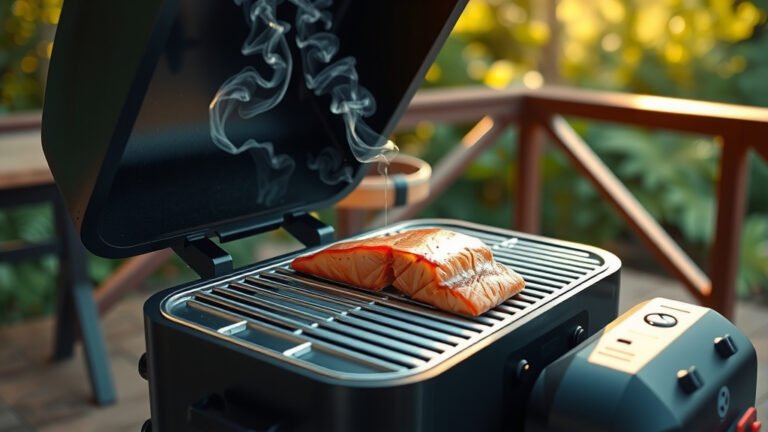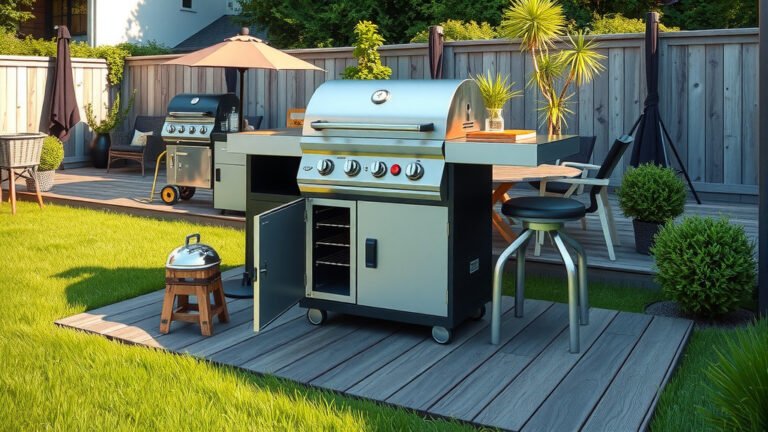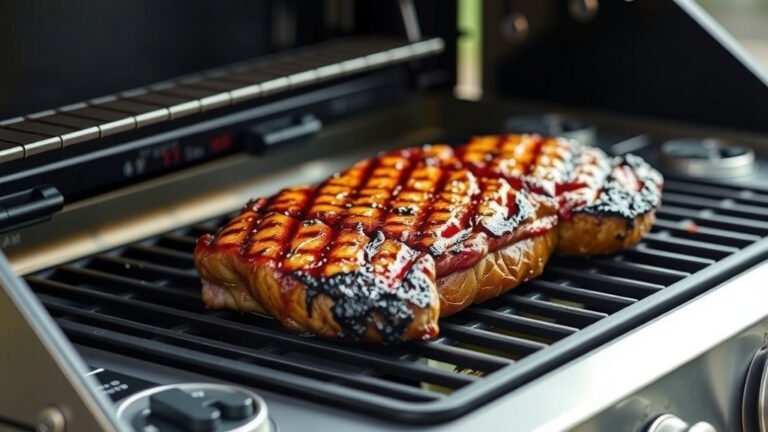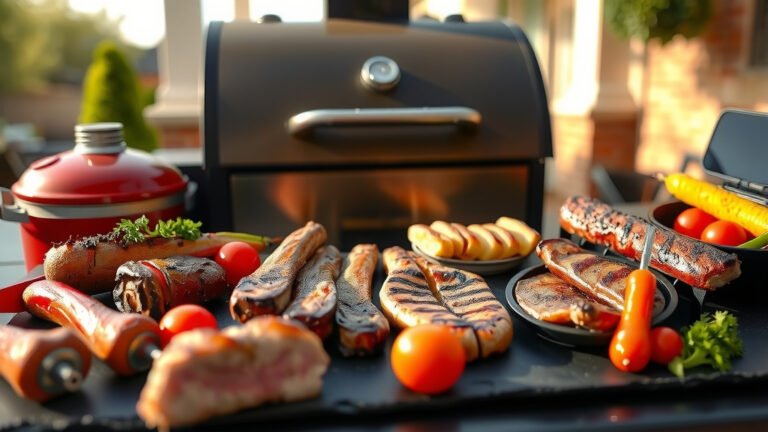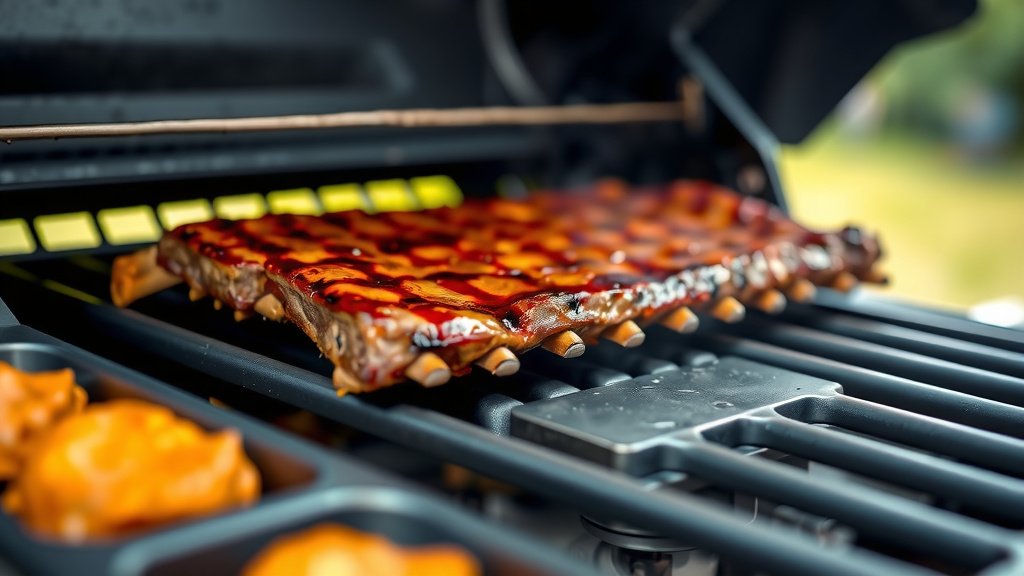
To grill beef short ribs on a gas grill, begin by setting up a two-zone fire: one side on high heat for searing, the other on low for indirect cooking. Sear the ribs for a few minutes per side, then move them to the cooler zone, close the lid, and cook until they reach a tender internal temperature, usually around 200-205°F.
This method ensures your beef short ribs develop a beautiful crust while slowly becoming incredibly juicy and falling-off-the-bone tender on your gas grill.
TL;DR: Ready to master beef short ribs on your gas grill? Here’s the quick scoop:
- Prep your ribs with a good rub and trim excess fat.
- Set up your gas grill for two-zone cooking.
- Sear the ribs over direct high heat for a nice crust.
- Finish cooking over indirect low heat until fork-tender.
- Rest the ribs before slicing for maximum juiciness.
How To Grill Beef Short Ribs On A Gas Grill?
Grilling beef short ribs on a gas grill transforms a tough cut into a melt-in-your-mouth experience. It involves a two-stage cooking process for both flavor and tenderness.
You will achieve a smoky flavor and a tender texture using this practical approach. Many home grillers find this method very effective.
Understanding Beef Short Ribs
Beef short ribs are a rich, flavorful cut of meat. They come from the chuck primal and are known for their marbling and connective tissue.
This cut needs a low-and-slow cooking method to become tender. Think of it like a marathon, not a sprint, for your taste buds.
Choosing the Right Short Ribs
When selecting short ribs, look for well-marbled pieces. Good marbling means more flavor and moisture during cooking.
You often find them either “flanken-cut” (across the bone) or “English-cut” (parallel to the bone). English-cut ribs are usually better for low-and-slow grilling.
Essential Prep: Trimming and Seasoning
Before grilling, a little preparation makes a big difference. Don’t skip these steps for the best results.
Proper trimming and seasoning lay the foundation for incredible flavor.
Trimming Your Ribs
You will want to trim any large pockets of hard fat from your short ribs. Leaving some fat is good for flavor, but too much can cause flare-ups.
Removing the silver skin, if present, also helps the rub penetrate better. A sharp boning knife makes this job easier.
Seasoning for Success
A good dry rub is often the choice for short ribs. It creates a flavorful crust, known as a bark, during the cooking process.
You can use a simple mix of salt, pepper, garlic powder, and paprika. Apply the rub generously and let the ribs sit for at least an hour, or even overnight in the fridge (research shows this allows flavors to meld effectively).
Setting Up Your Gas Grill for Two-Zone Cooking
Two-zone grilling is non-negotiable for short ribs. It allows you to sear for crust and then slow-cook for tenderness.
This setup gives you maximum control over your grill’s temperature.
Creating Direct and Indirect Heat Zones
Turn one or two burners to high and the adjacent burners to low or off. This creates your hot zone for searing and your cooler zone for slow cooking.
For example, if you have a four-burner grill, turn the two leftmost burners to high and the two rightmost burners to low. Many experts say this setup provides the most versatility (Grill Master Association).
Preheating Your Grill
Always preheat your gas grill for 10-15 minutes with the lid closed. You want the grates hot for that initial sear.
A hot grill ensures nothing sticks and gives you those beautiful grill marks.
The Grilling Process: Sear, Move, and Cook Slow
This is where the magic happens. Combining high heat and low heat ensures perfect short ribs.
Are you ready to see your efforts pay off?
Searing the Short Ribs
Place your seasoned short ribs directly over the high heat zone. Sear for 3-4 minutes per side, turning them until all sides are browned.
This initial sear develops a rich, complex flavor and a desirable crust. It’s a vital step for texture.
Slow Cooking on Indirect Heat
Move the seared ribs to the cooler, indirect heat zone. Close the grill lid to maintain a consistent temperature, aiming for around 275-300°F.
Let them cook for 2-3 hours, or until they are fork-tender. You might need to adjust burner settings to keep your grill temperature stable.
Monitoring Temperature and Tenderness
Use a reliable meat thermometer to check internal temperature. We found that short ribs are truly tender when they reach an internal temperature between 200-205°F (Meat Science Review).
Don’t just rely on temperature; test for tenderness. If a fork twists easily in the meat, they are ready.
| Stage | Grill Zone | Temperature | Duration |
|---|---|---|---|
| Preheat | All burners | High (500°F+) | 10-15 min |
| Sear | Direct Heat | High | 3-4 min per side |
| Slow Cook | Indirect Heat | 275-300°F | 2-3 hours |
| Rest | Off Grill | N/A | 10-15 min |
The Importance of Resting
Once your short ribs are tender, remove them from the grill. Tent them loosely with foil and let them rest.
Allowing them to rest for 10-15 minutes lets the juices redistribute throughout the meat. This makes for a much juicier final product.
Quick Checklist for Grilling Beef Short Ribs
Here’s a simple checklist to keep you on track:
- Trimmed excess fat from ribs?
- Applied a generous dry rub?
- Set up grill for two-zone cooking?
- Preheated grill to high?
- Meat thermometer ready?
- Foil for resting prepared?
Conclusion
Grilling beef short ribs on a gas grill is a rewarding experience. You achieve fantastic flavor and incredible tenderness with careful preparation and a two-zone grilling approach.
Remember, patience is a key ingredient here. Follow these steps, and you will impress everyone with your delicious, fall-off-the-bone short ribs. Happy grilling!
What kind of beef short ribs are best for grilling?
English-cut beef short ribs are generally best for grilling low and slow. They are cut parallel to the bone, offering more meat for slow cooking. Flanken-cut ribs are thinner and cook faster, sometimes drying out if not watched closely.
How do I prevent flare-ups when grilling short ribs?
To prevent flare-ups, trim excessive hard fat from your short ribs before grilling. Also, always keep a spray bottle of water nearby. If a flare-up occurs, move the ribs to the indirect heat zone and spray the flames lightly.
Can I marinate short ribs instead of using a dry rub?
Yes, you can absolutely marinate short ribs. A marinade helps tenderize the meat and adds flavor. Just be mindful of sugar content in marinades, as they can burn easily over high heat during searing. Many grillers opt for a dry rub for the bark, but a good marinade works wonders too.
What internal temperature means my short ribs are done?
For truly tender, fall-off-the-bone beef short ribs, aim for an internal temperature between 200-205°F. At this temperature, the connective tissues break down thoroughly, creating that desired tender texture.
How long does it take to grill beef short ribs on a gas grill?
After a quick sear of 3-4 minutes per side, beef short ribs typically take 2-3 hours to cook over indirect heat on a gas grill at around 275-300°F. The exact time depends on the thickness of the ribs and your grill’s consistency, so always check for tenderness.