
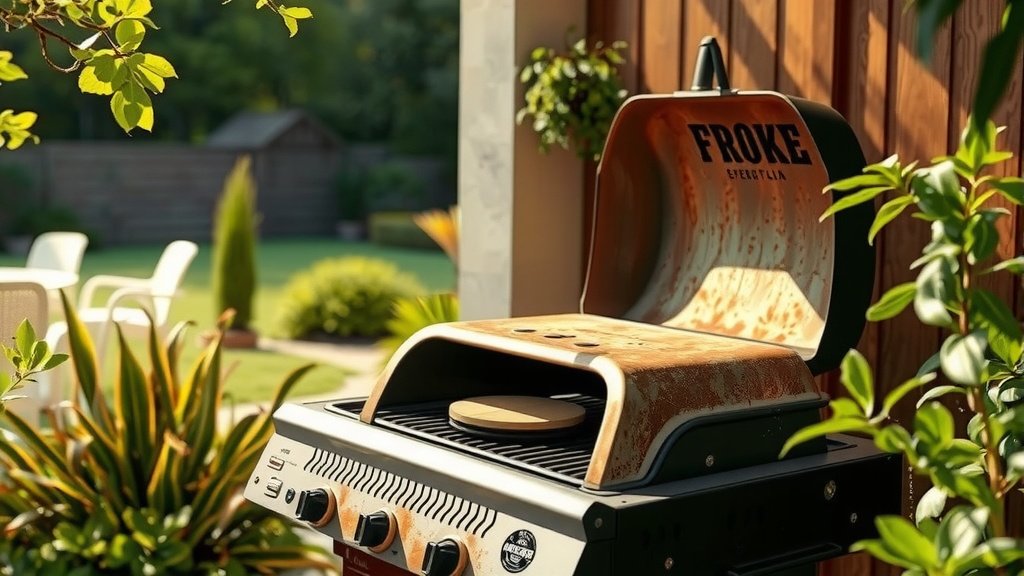
To dispose of an old gas grill safely, first remove and properly recycle the propane tank, ensuring it’s empty, then dismantle the grill into metal, plastic, and electronic components for appropriate recycling or bulk waste pickup.
Most cities offer specific guidelines for large item disposal or scrap metal collection, helping you responsibly discard your old gas grill and its parts.
- Remove and safely recycle the propane tank separately before anything else.
- Check with your local waste management for bulk item pickup or scrap metal recycling programs.
- Consider donating a working grill to charity or selling it if it is still in good condition.
- Break down the grill into smaller components to simplify recycling and transportation.
- Never just toss a grill or its tank into regular trash bins; it’s a safety and environmental hazard.
How To Dispose Of Old Gas Grill?
Disposing of an old gas grill can feel complicated, but it’s quite straightforward once you know the steps. Your local waste management is often the best place to start for accurate information.
Safety First: Handling Your Propane Tank
Before you even think about moving the grill, you must address the propane tank. This step is critically important for safety. Propane tanks can be dangerous if not handled correctly, even when appearing empty.
Emptying and Disconnecting the Tank
Make sure your grill is completely off and cool before attempting to disconnect the tank. Twist the regulator connection counter-clockwise to loosen it. If there’s any gas left, you might hear a hiss. Allow it to fully dissipate in a well-ventilated outdoor area, away from any ignition sources (National Fire Protection Association).
Recycling Your Propane Tank
You cannot simply throw a propane tank in the trash. Many experts say these tanks are considered hazardous materials due to residual gas and pressure (EPA). Take your empty tank to a propane exchange facility, a local recycling center that accepts hazardous waste, or even some hardware stores. We found that some places will even offer a small credit for return.
Preparing the Grill for Disposal
Once the propane tank is gone, your grill becomes much safer to handle. Now you can focus on the grill itself. The goal is to make it as small and easy to manage as possible for its next journey.
Cleaning and Dismantling the Grill
Give your grill a quick clean to remove any food residue or grease. This makes it more appealing for recycling or donation. Then, grab your tools and start dismantling. Remove grill grates, burners, side tables, and any other removable parts. Separating different materials, like stainless steel, plastic, or aluminum, will greatly aid recycling efforts.
- Disconnect the propane tank safely.
- Clean out any food or grease residue.
- Remove the grill grates and heat plates.
- Detach side tables and accessory shelves.
- Unscrew the main burner assembly.
- Separate plastic parts from metal components.
Local Disposal Options for Your Old Gas Grill
What happens next depends on where you live. Most communities have specific programs for large item disposal. It’s always best to contact your local waste management department directly.
Bulk Waste Pickup Services
Many municipalities offer bulk waste collection a few times a year. You might need to schedule a pickup or place your disassembled grill at the curb on a specific date. We found that checking their website for guidelines on size and material separation is a smart move.
Drop-Off Recycling Centers
Some areas have dedicated recycling centers that accept scrap metal. If you can transport your grill, dropping it off can be a great option. Make sure to confirm they accept gas grills and if there are any associated fees beforehand.
Considering Alternative Options
What if your grill still has some life left in it? Or what if you want to avoid sending it to a landfill?
Donating a Functional Grill
If your gas grill is still in decent working condition, consider donating it. Local charities, community centers, or even schools might be happy to take it off your hands. This is a fantastic way to extend its lifespan and help others in your community.
Selling or Gifting Your Grill
Could someone else use it? If your grill is still firing up, consider selling it online through local marketplaces or even offering it to friends or family. One person’s old grill can be another person’s treasure, especially for minor repairs.
Special Cases: Damaged or Rusty Grills
What if your grill is rusted beyond repair or severely damaged? This usually means recycling is your primary option, as donations are unlikely for non-functional items.
Scrap Metal Yards
Scrap metal yards are often a good solution for heavily damaged metal grills. They specialize in processing metal for reuse. We found that sometimes you can even get a small payment for your scrap metal, depending on its weight and current market prices.
Comparing Disposal Methods
To help you decide, here’s a quick comparison of the most common ways to get rid of your old grill.
| Method | Pros | Cons | Best For |
|---|---|---|---|
| Local Bulk Pickup | Convenient, often free | Specific dates, prep needed | Most common, moderately damaged grills |
| Drop-Off Recycling | Environmentally friendly, often free | Requires personal transport | Heavily damaged or dismantled grills |
| Donation/Resale | Eco-friendly, helps others, potential income | Grill must be functional | Functional, gently used grills |
| Scrap Metal Yard | Environmentally friendly, potential small payment | Requires transport, dismantling | Heavily rusted or broken grills |
A Quick Checklist Before Disposal
Before you finally part ways with your old gas grill, run through this short list to ensure you haven’t missed anything important.
- Is the propane tank completely removed and handled?
- Have you cleaned out any food residue or grease?
- Is the grill broken down as much as possible?
- Have you confirmed local disposal guidelines?
- Are you sure it’s beyond repair or donation?
Conclusion
Getting rid of an old gas grill doesn’t have to be a chore. By prioritizing propane tank safety and understanding your local disposal options, you can handle this task responsibly. Whether you choose to recycle, donate, or use a bulk pickup service, you’re making a good choice for both your home and the environment. Enjoy your new grilling adventures, knowing your old setup was disposed of properly.
Can I put my old gas grill out with the regular trash?
No, you generally cannot put an old gas grill out with your regular household trash. Grills are considered bulky waste or scrap metal and often contain various materials that need specific disposal. Always check with your local waste management services for their guidelines, as they typically require special arrangements for large items.
Do I need to clean my grill before disposing of it?
Yes, it’s a good idea to clean your grill before disposal. Removing food residue, grease, and charcoal ash makes it more pleasant for waste handlers and helps with the recycling process. A quick scrub can make a big difference.
Where can I recycle a rusted-out gas grill?
For a rusted-out gas grill, your best bet is often a local scrap metal yard or a municipal recycling center that accepts large metal items. Dismantling the grill into smaller metal components can make it easier for these facilities to process. Remember, the propane tank must be removed first.
What should I do with the grates and burners from my old grill?
The grates and burners, typically made of cast iron or stainless steel, can usually be recycled along with the rest of the metal components of the grill. Separate them from any plastic parts if possible. Check with your local recycling center to confirm their specific requirements for these materials.
Is it better to donate or recycle an old gas grill?
If your old gas grill is still in good working condition and safe to use, donating it to a charity or community organization is often the most beneficial option. It extends the life of the grill and helps others. However, if the grill is broken, heavily rusted, or unsafe, recycling it for its metal components is the more appropriate and responsible choice.
